How Mountain Gorilla Families Are Formed
Understanding how mountain gorilla families are formed reveals one of the most fascinating aspects of the social lives of these endangered great apes. Mountain gorillas live in organised social groups made up of mature silverbacks, adult females, infants, juveniles and sometimes several younger males. However, these families do not always remain together permanently. New groups can emerge when solitary silverbacks attract females, established families divide, adult gorillas transfer between groups or leadership changes after the death of a dominant male.
Mountain Gorilla Family Formation is a natural process influenced by reproductive opportunities, social relationships, competition between males, female dispersal and the development of younger gorillas. Although the dominant silverback often plays an important role in family leadership, female gorillas also influence group composition through their decisions to remain with familiar companions or join different groups.
In Uganda’s Bwindi Impenetrable National Park and Mgahinga Gorilla National Park, gorilla families represent the foundation of mountain gorilla social life. Each family has its own composition, history, relationships and behavioural characteristics. Scientific research conducted in Bwindi has documented different pathways through which new families develop, demonstrating that mountain gorilla society is far more flexible than the traditional image of one silverback permanently controlling a fixed group.
Visitors participating in gorilla trekking in Bwindi Impenetrable National Park or gorilla trekking in Mgahinga Gorilla National Park can observe these extraordinary social relationships in their natural environment.
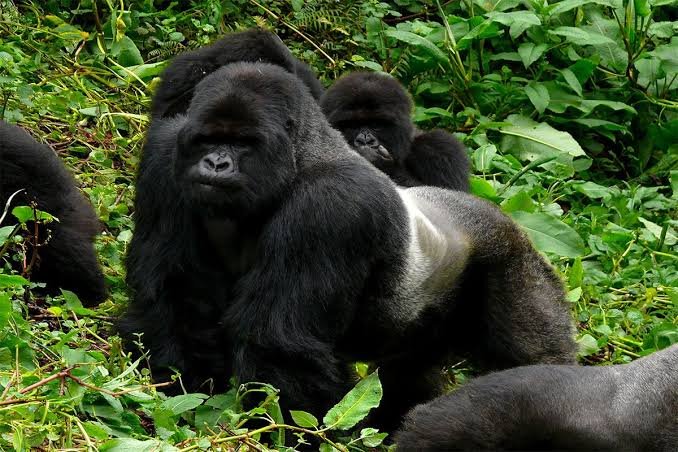
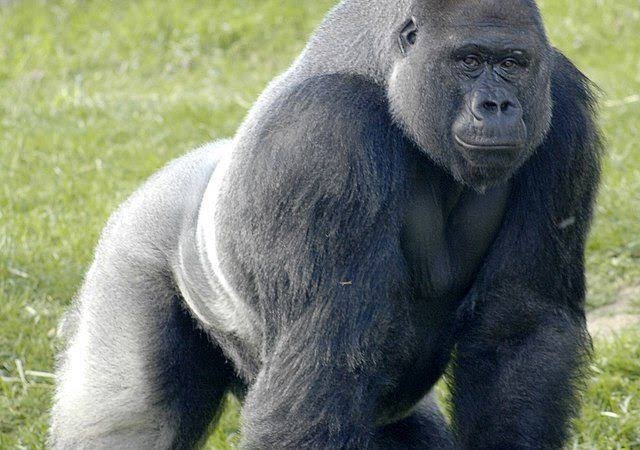
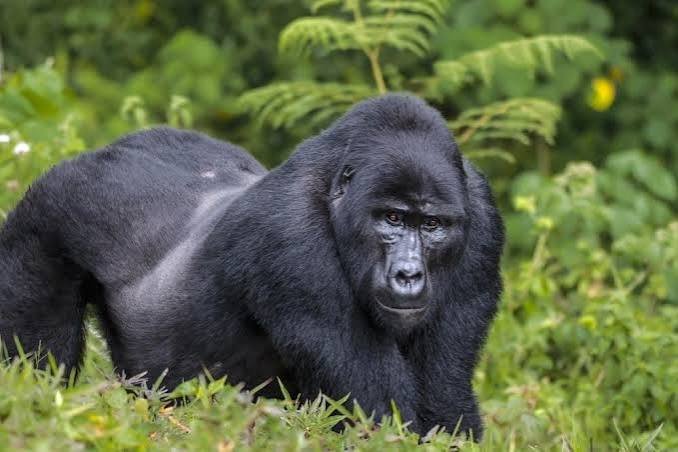
1. Mountain Gorilla Family Formation Often Begins With a Mature Silverback
One important pathway in Mountain Gorilla Family Formation involves a mature male establishing a new breeding group. As male mountain gorillas develop, some remain within their original family while others eventually leave and begin living independently.
A male living without a social group is generally described as a solitary male. Solitary silverbacks may travel through areas occupied by neighbouring gorilla families and encounter females that are potentially interested in transferring.
When a female joins a solitary male and remains with him, they can establish the beginnings of a new social group. Additional females may join over time, and the birth of infants can gradually increase the family’s size.
However, becoming a solitary silverback does not guarantee that a male will establish a family. Some spend considerable periods alone, and others may never successfully recruit females.
Research conducted in Bwindi between 1993 and 2017 investigated how male mountain gorillas disperse and establish their reproductive careers. Genetic tracking indicated that at least 25% of males dispersing to live alone eventually formed new groups.
This finding demonstrates that family formation can be a gradual and uncertain process rather than an immediate consequence of reaching maturity.
2. Female Transfers Play a Major Role in Creating New Gorilla Families
Female movement between groups is another essential component of Mountain Gorilla Family Formation.
Unlike animal species in which females typically remain in the groups where they were born, mountain gorillas have a flexible social system in which both males and females may leave their original families.
A female gorilla may transfer from her birth group to an established neighbouring group or join a solitary silverback beginning a new family. Females can also change groups more than once during their lifetimes.
These movements are described scientifically as dispersal.
Female transfers can influence breeding opportunities, social relationships and the long-term composition of gorilla families. When several females join the same silverback, an initially small group may gradually develop into a larger family.
Research published in August 2025 examined 152 dispersal events involving 56 female mountain gorillas monitored in Rwanda over approximately two decades.
The study found that females were more likely to transfer into groups containing females with whom they had previously lived. They also tended to avoid groups containing males from their natal groups.
These findings suggest that familiarity and the avoidance of close inbreeding can influence female dispersal decisions.
Although this research was conducted in Rwanda, it provides valuable comparative information about the flexible social relationships that shape mountain gorilla families throughout their remaining natural habitats.
3. Established Mountain Gorilla Families Can Split Into Two Groups
One of the most interesting examples of Mountain Gorilla Family Formation occurs when an established family divides into two independent social groups.
Scientists call this process group fission.
A group fission may occur when a mature male separates from an existing family and is accompanied by one or more females and possibly younger gorillas.
Rather than continuing to travel, feed and rest together, the resulting groups begin operating independently.
This process demonstrates that new gorilla families do not always begin with a solitary silverback attracting unrelated individuals from several neighbouring groups.
Sometimes a new family develops directly from relationships that already existed within a larger group.
A well-documented example occurred in Bwindi Impenetrable National Park when the Habinyanja gorilla family divided in 2002.
One section of the original family separated and became the Rushegura group, which initially contained approximately eight individuals.
The event illustrates how natural social changes can produce a new gorilla family within an existing population.
Other group divisions have also been documented in Bwindi, demonstrating that family formation remains an ongoing ecological and social process.
For travellers interested in the histories of gorilla groups, Bwindi gorilla trekking provides opportunities to discover the different families monitored across the park’s trekking sectors.
4. Young Male Gorillas May Remain and Eventually Become Family Leaders
Not every male mountain gorilla leaves the family where he was born.
Some males remain in their natal groups, developing alongside their mothers, siblings and other companions until they reach adulthood.
This behaviour is called philopatry, meaning remaining within the original social group rather than dispersing.
Males that remain may occupy subordinate positions while a dominant silverback continues leading the family. Their social relationships and future reproductive opportunities can change as they mature.
In some cases, a younger male may eventually become the dominant silverback after the previous leader dies or loses his position.
This pathway to leadership is an important aspect of Mountain Gorilla Family Formation because the composition and identity of a family can change without every member dispersing.
Research conducted in Bwindi identified several pathways through which males acquire dominant status, including remaining in their original groups and eventually succeeding an established leader.
Some mountain gorilla families also contain more than one adult male.
Within these multimale groups, dominance relationships can change over time, although not every subordinate male will eventually become the leader.
These findings demonstrate that mountain gorilla social organisation allows different reproductive and leadership strategies.
5. The Death of a Dominant Silverback Can Change Family Structure
The death of a dominant male can have major consequences for Mountain Gorilla Family Formation and the continuation of an existing group.
Silverbacks often maintain important social relationships with females and younger gorillas. Their presence can influence group cohesion, defensive interactions and breeding opportunities.
When a dominant silverback dies, the outcome depends partly on whether other mature males remain within the family.
In a multimale group, another adult male may assume a leading position, allowing much of the family to remain together.
However, when a group contains only one mature male, his death may leave the family without an established silverback.
Under these circumstances, females may transfer to other groups, and the original family may eventually dissolve.
The movement of surviving individuals can contribute to the development or expansion of other gorilla families.
Infants may face additional risks following certain leadership changes, including the possibility of infanticide during encounters with unfamiliar adult males.
However, not every leadership transition results in aggression or infant mortality.
Researchers examine group composition, the presence of other males, maternal relationships and the circumstances surrounding a transition when interpreting these events.
6. Births and Maternal Relationships Help New Families Grow
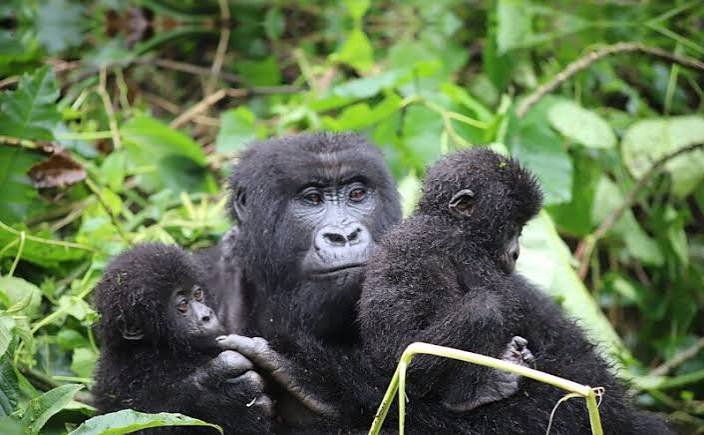
Once a new gorilla group has formed, births contribute to its development and long-term continuity.
A family initially containing one silverback and one or more adult females may gradually increase in size as infants are born and survive.
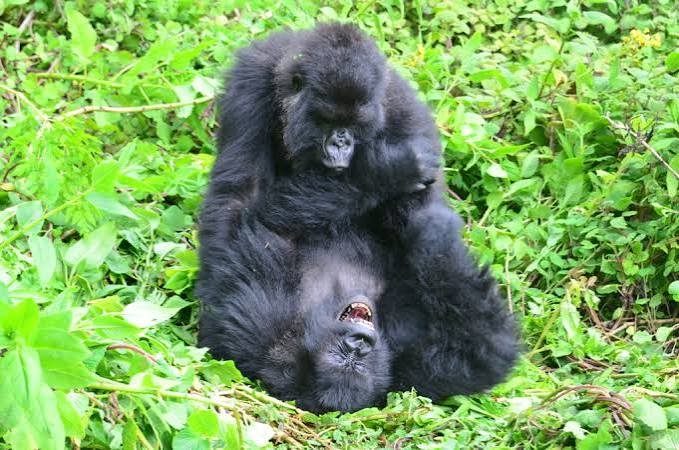
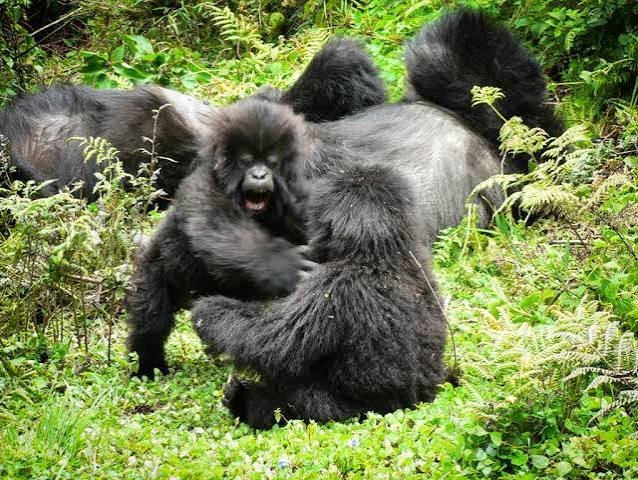
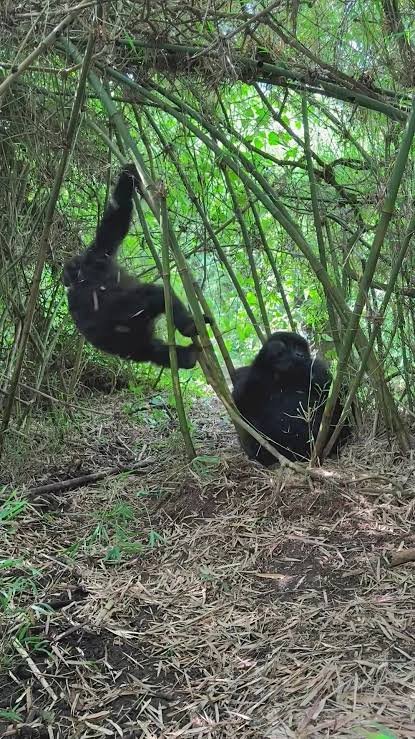
Newborn mountain gorillas depend heavily on their mothers for nourishment, warmth, transportation and protection. As infants develop into juveniles, they begin exploring their surroundings, playing with companions and participating more actively in family life.
These relationships form an important part of Mountain Gorilla Family Formation because new generations gradually change the age structure and social composition of the group.
However, births should not be confused with the initial establishment of a new social group.
A family can form through the association of adult individuals before any infants are born.
Maternal relationships also influence the wider social environment. Some female gorillas maintain long-term associations with familiar companions, while others transfer between groups during their adult lives.
A study published in 2024 examining female mountain gorillas found that many females maintained preferential proximity relationships lasting several years.
This demonstrates that social relationships between females can contribute to the stability and development of gorilla family life.
7. Competition and Encounters Between Groups Can Influence New Families
Interactions between neighbouring gorilla groups provide another important explanation of Mountain Gorilla Family Formation.
Mountain gorilla families inhabit home ranges that can overlap, creating opportunities for encounters between individuals belonging to different groups.
During these encounters, silverbacks may perform displays, produce vocalisations or engage in other competitive behaviour.
Adult females may also encounter males and females from neighbouring families, creating opportunities for group transfers.
Earlier research on mountain gorillas documented the relationship between intergroup encounters and female dispersal. These interactions were often associated with competition over potential female transfers rather than the defence of strictly exclusive territories.
However, not every encounter is aggressive.
Research has documented a range of interactions between gorilla families, from peaceful contact to more intense competitive situations.
In some circumstances, familiar relationships between individuals living in different groups may influence the way encounters unfold.
These interactions demonstrate that mountain gorilla social organisation extends beyond the boundaries of one family.
Understanding these broader relationships helps explain how gorilla families can expand, divide and change over time.
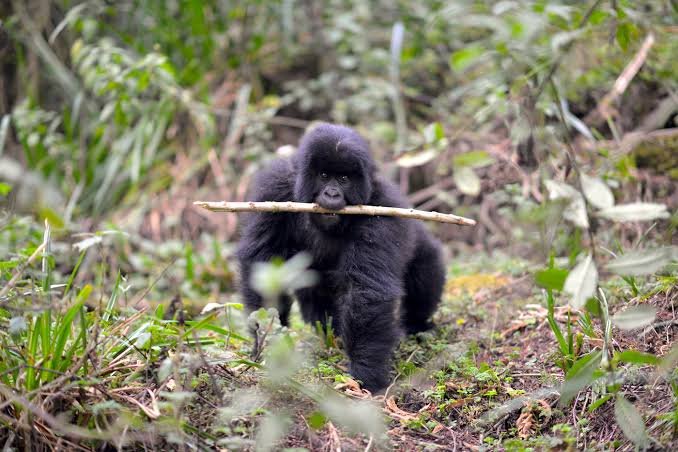
How Many Gorillas Are Usually Found in a Mountain Gorilla Family?
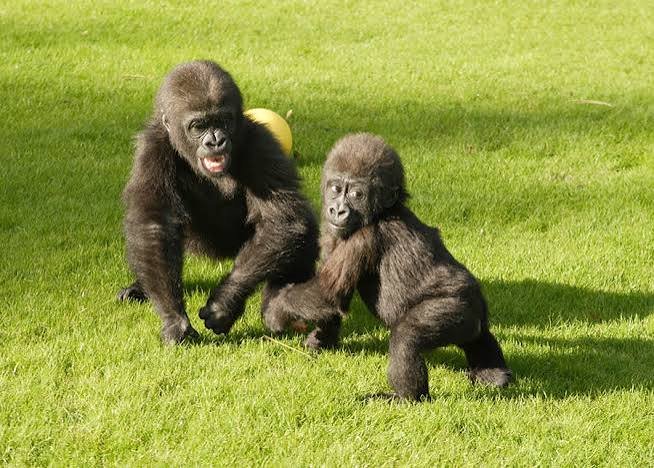
Mountain gorilla families vary considerably in size and composition.
Some groups contain relatively few individuals, while others grow into large families with several adult males, multiple females and numerous youngsters.
The composition of a family depends on its history, reproductive success, dispersal events, deaths and leadership changes.
Scientific reviews have documented both single-male and multimale social groups among mountain gorillas.
Unlike western lowland gorillas, whose breeding groups are predominantly organised around one adult male, mountain gorillas show greater variation in the number of mature males that may live within one family.
Consequently, there is no single family size that accurately represents every mountain gorilla group.
When discussing Mountain Gorilla Family Formation, it is more useful to examine how groups develop and change than to assume that every family follows an identical structure.
Are All Gorillas in One Family Biologically Related?
A mountain gorilla family is primarily a social unit rather than a group composed entirely of close biological relatives.
Some individuals may share parents or other ancestors, while others join through transfers from different families.
A dominant silverback may be the father of several younger gorillas, but he is not necessarily the biological father of every individual within the group.
Adult females can enter a family after spending years in other groups, and additional males may remain from earlier generations or leadership arrangements.
Understanding this distinction is essential for interpreting Mountain Gorilla Family Formation.
Social relationships develop through daily companionship, maternal care, play, communication and repeated interactions.
These relationships can remain important even when individuals are not closely related genetically.
Do Mountain Gorilla Families Remain Together Forever?
Mountain gorilla families can remain together for many years, but their composition is not permanently fixed.
Over time, infants grow into adults, females may transfer to neighbouring groups, males may disperse and new individuals may join.
Some groups divide, while others experience changes in leadership.
The death of an important individual can also influence the family’s future.
Consequently, Mountain Gorilla Family Formation should be understood as an ongoing process rather than a single event that ends once a group has been established.
Long-term scientific monitoring is particularly important because it allows researchers to follow these changes across multiple generations.

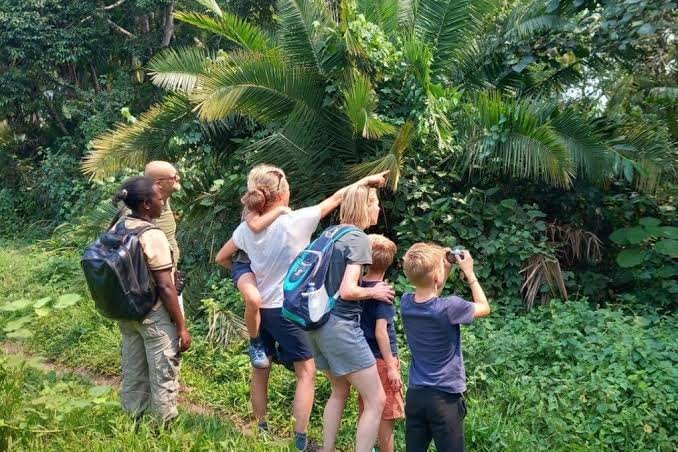
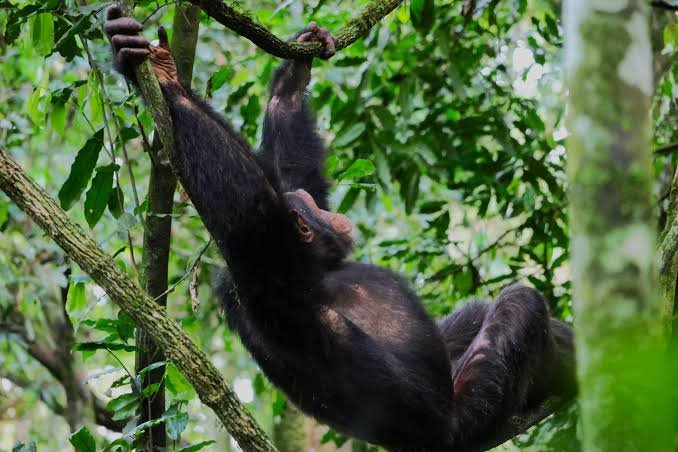
How Researchers Study Gorilla Family Formation in Bwindi
Bwindi Impenetrable National Park provides important opportunities to investigate changes in mountain gorilla social organisation.
Researchers monitor known individuals and document births, deaths, transfers, changes in leadership and the appearance of new groups.
The long-term study of Bwindi male mountain gorillas examined information collected between 1993 and 2017, including demographic records and genetic tracking.
These methods helped scientists investigate what happens to dispersing males and identify different routes to becoming a dominant silverback.
Researchers also use family histories and observations of intergroup encounters to understand how gorillas maintain relationships beyond their immediate groups.
Such information contributes to conservation planning and a broader scientific understanding of great ape social evolution.
For visitors, knowing how researchers identify and monitor gorilla families adds an educational dimension to gorilla trekking in Uganda.
Why Understanding Gorilla Family Formation Matters for Conservation
Research into Mountain Gorilla Family Formation helps conservationists understand how mountain gorilla populations develop and maintain their social structure.
Monitoring family divisions, births, dispersal and leadership changes can provide valuable information about population dynamics.
These observations are particularly important for understanding how individuals move between groups and how breeding opportunities influence the population over time.
Conservation teams also monitor the effects of injuries, disease and environmental disturbances on different gorilla families.
Responsible tourism contributes to the protection of mountain gorilla habitats and supports ongoing conservation activities.
However, gorilla trekking does not guarantee that visitors will witness a family splitting, a silverback takeover or a female transfer.
These events are unpredictable and may occur over extended periods.
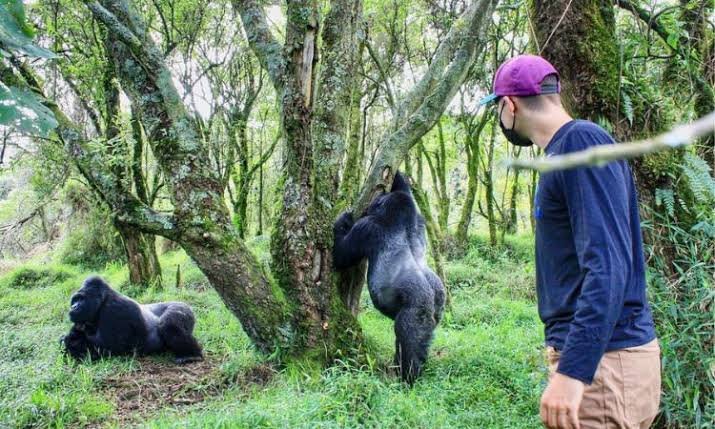
Visitors are more likely to observe established family relationships, including mothers caring for infants, juveniles playing and silverbacks interacting with companions.


Frequently Asked Questions About Mountain Gorilla Family Formation
How Are Mountain Gorilla Families Formed?
Mountain gorilla families can form when solitary silverbacks attract females, when established groups divide or when changes in leadership and group membership create new social units.
What Is Mountain Gorilla Family Formation?
Mountain Gorilla Family Formation is the natural process through which gorillas establish and develop social groups through dispersal, female transfers, leadership changes and reproduction.
Does Every Gorilla Family Have One Silverback?
No. Some mountain gorilla families contain one dominant adult male, while others contain several mature males.
Can a Solitary Silverback Form His Own Family?
Yes. A solitary silverback may establish a new family when one or more females join him. However, not every solitary male succeeds.
Why Do Female Mountain Gorillas Change Families?
Females may transfer for reproductive and social reasons, including avoiding close inbreeding and joining groups containing familiar individuals.
What Happens When a Gorilla Family Splits?
When a group undergoes fission, some members separate and begin travelling and living independently, establishing another social group.
Can a Young Silverback Take Over His Father’s Family?
A younger male that remains within his natal group may eventually acquire the dominant position, although succession depends on the group’s circumstances and other competing males.
Do Mountain Gorilla Families Stay Together for Life?
Not necessarily. Family membership can change through births, deaths, dispersal, female transfers and group divisions.
Are All Members of a Gorilla Family Related?
No. Mountain gorilla families include both biologically related individuals and gorillas that have joined from other groups.
Where Can Tourists Observe Mountain Gorilla Families in Uganda?
Visitors can observe established gorilla families during authorised gorilla trekking in Bwindi and gorilla trekking in Mgahinga.
Discover Mountain Gorilla Family Life With Mountain Gorillas Uganda
Understanding Mountain Gorilla Family Formation reveals the fascinating relationships that shape the lives of these endangered great apes. From solitary silverbacks establishing new groups to females transferring between families and younger males developing into future leaders, every gorilla family has a unique history.
Watching these animals together in the forest offers opportunities to appreciate the natural relationships that develop through maternal care, leadership, communication and companionship.
At Mountain Gorillas Uganda, we organise responsible gorilla trekking safaris that allow travellers to discover these extraordinary animals within their protected habitats.
Explore our Uganda gorilla trekking tours, experience the remarkable gorilla families of Bwindi Impenetrable National Park or visit Mgahinga Gorilla National Park for another unforgettable wildlife encounter.
Travellers interested in extended observation opportunities can explore the Gorilla Habituation Experience in Uganda, which provides a longer regulated encounter with a gorilla group undergoing habituation.
Before confirming your safari, review our Uganda gorilla trekking permit guide and choose your preferred travel dates.
Request Your Personalised Uganda Gorilla Safari Quote and discover the remarkable social relationships, family histories and natural behaviour of mountain gorillas in Uganda‘s beautiful forests.