How Many Mountain Gorillas Can Live in One Family?
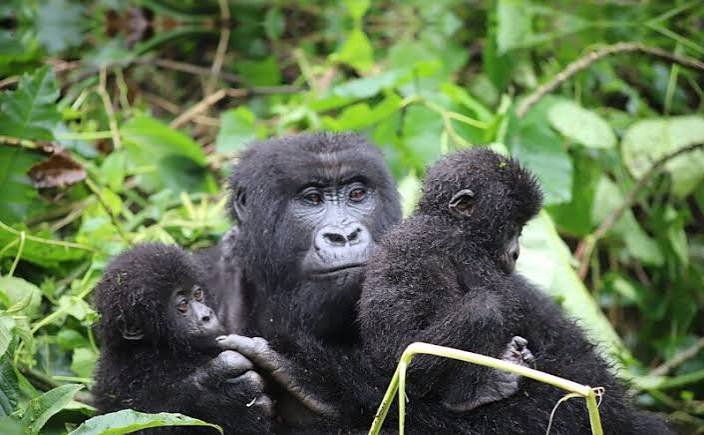
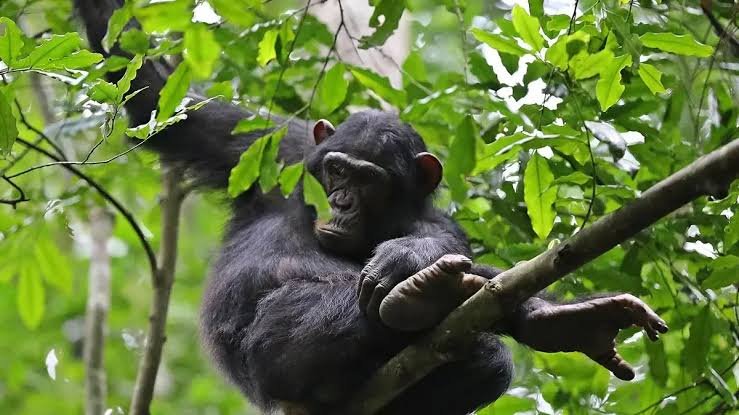
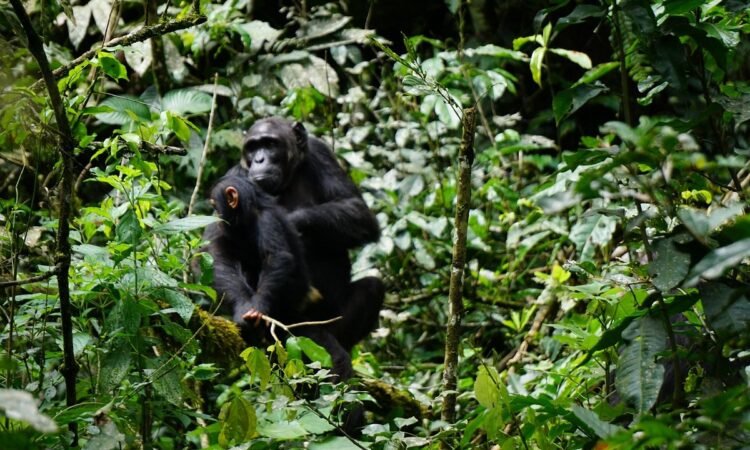
How many mountain gorillas can live in one family? Mountain gorillas typically live in social groups containing approximately 10 to 15 individuals, although some families are much smaller and others grow to more than 20 or 30 members. Exceptionally large groups have also been documented, including one remarkable family that reached 65 gorillas. These groups generally include a dominant silverback, adult females, younger males, juveniles and infants living together in the same forest habitat.
Understanding mountain gorilla family size provides valuable insight into the social organisation of these endangered great apes. Unlike animals that live independently, mountain gorillas depend on long-term family relationships for companionship, reproduction and the protection of dependent youngsters. However, family membership changes naturally through births, deaths, female transfers, male dispersal and the separation of established groups.
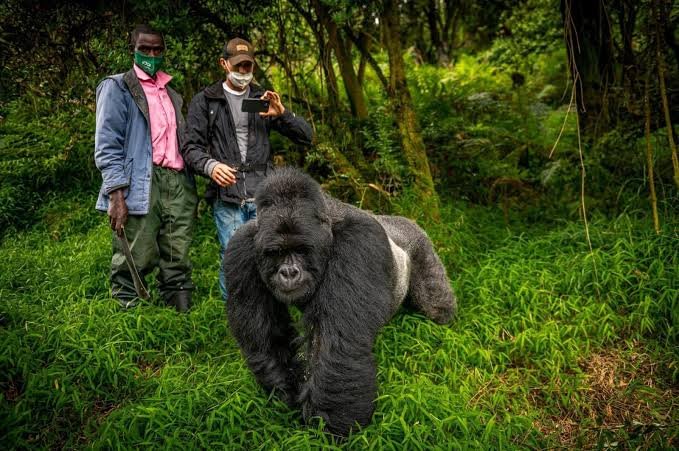
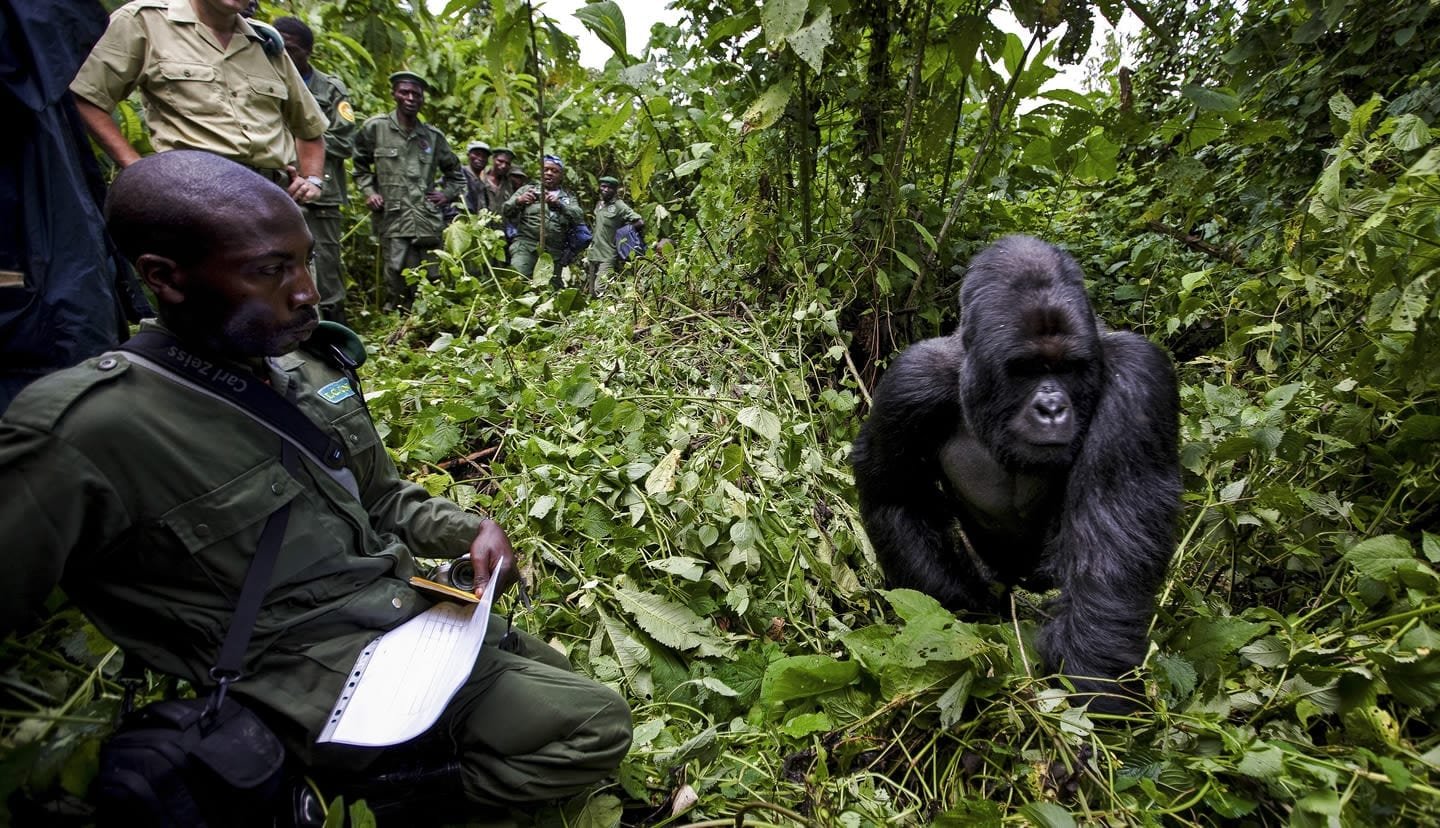
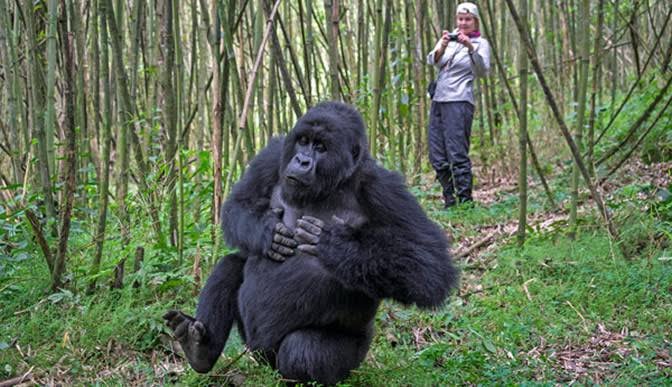
In Uganda’s Bwindi Impenetrable National Park and Mgahinga Gorilla National Park, visitors can observe mountain gorilla families of different sizes. During gorilla trekking in Bwindi, travellers encounter natural social groups whose numbers and composition reflect their individual histories.
1. What Is the Average Mountain Gorilla Family Size?
The average mountain gorilla family contains approximately 10 to 15 individuals, although published estimates differ between populations and observation periods.
Scientific research has reported an average group size of approximately 11 mountain gorillas. Other studies involving monitored populations in the Virunga Mountains have recorded averages closer to 12 or 15 individuals.
These differences occur because gorilla families do not maintain fixed memberships.
In Uganda, research involving habituated groups in Bwindi recorded an average annual group size of approximately 13 weaned individuals during the study period. This measurement excluded dependent infants from its particular group-size calculation.
Consequently, comparing studies requires attention to how researchers define and count family members.
Mountain gorilla family size should therefore be understood as a changing population characteristic rather than a fixed number that applies to every family.
2. Can Mountain Gorilla Families Have More Than 20 Members?
Yes. Mountain gorilla families can contain more than 20 individuals, and exceptionally large groups may exceed 30 or 40 members.
Such families generally contain several adult females, their offspring and one or more mature males.
Large groups may develop gradually as infants are born, younger gorillas survive and females transfer into the family.
However, the growth of a family depends on more than reproduction alone.
New members may join through social transfers, while others leave to establish or join different groups.
Scientific observations demonstrate that mountain gorillas can maintain cohesive families containing considerably more individuals than the average group.
Nevertheless, a larger mountain gorilla family size does not automatically guarantee greater stability or reproductive success.
The relationships between individuals, available food resources and interactions with neighbouring groups also influence the family’s long-term development.
3. What Is the Largest Mountain Gorilla Family Ever Recorded?
The largest well-documented mountain gorilla family reached 65 individuals.
This extraordinary group was known as the Pablo family, monitored in Rwanda’s Volcanoes National Park.
The Pablo group developed from approximately 20 individuals in 1993 to a maximum of 65 in 2006.
At its peak, the family contained several silverbacks, numerous adult females and many younger gorillas.
However, this exceptional size was maintained for only a short period.
Following infant deaths, female transfers and other changes, the group declined substantially over the following months.
The Pablo family’s history demonstrates that mountain gorilla family size can reach remarkable numbers, but large groups are not necessarily permanent.
Importantly, the 65-member record refers to a historical observation in Rwanda, not the current size of any gorilla family in Uganda.
There is no established biological rule stating that 65 is the absolute maximum number mountain gorillas could ever live with.
4. How Small Can a Mountain Gorilla Family Be?
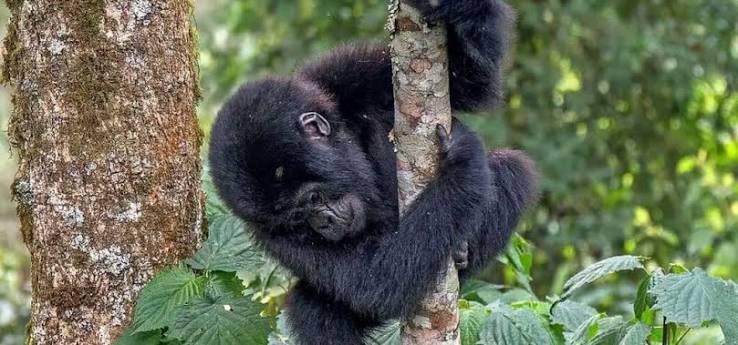
Although many families contain more than ten individuals, newly established mountain gorilla groups may begin with only a few members.
A solitary silverback can establish a new social group when one or more females join him.
Initially, the family might consist of just two or three gorillas.
Over time, the group can expand through births and additional female transfers.
However, a male living completely alone is generally classified as a solitary gorilla rather than a family group.
Small families may also emerge when larger groups divide or when several members leave an established family.
These changes demonstrate that mountain gorilla family size varies throughout a group’s history.
A newly formed group with only a few individuals may eventually become a substantial family, although growth is not guaranteed.
5. Does Every Gorilla Family Have Only One Silverback?
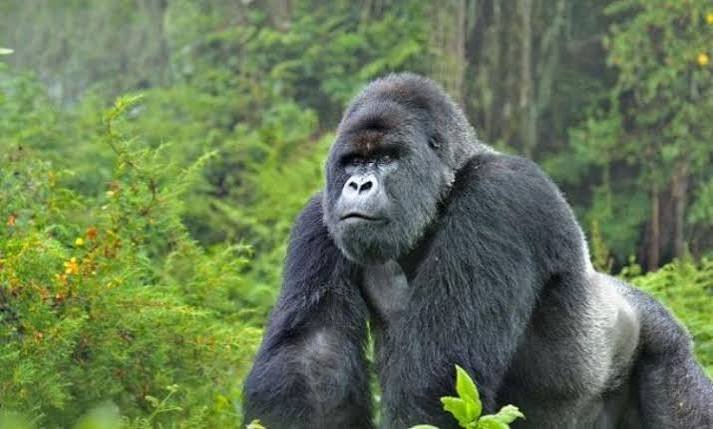
No. Mountain gorilla families may contain one silverback or several mature males.
The dominant silverback generally occupies an important leadership position, influencing group movements and maintaining significant social relationships.
However, subordinate silverbacks can remain within the same family.
Some large mountain gorilla groups have contained several mature males alongside adult females and their offspring.
The historical Pablo family, for example, included multiple silverbacks during its period of exceptional growth.
Research has demonstrated that multimale groups are an important feature of mountain gorilla society.
This flexibility helps explain why mountain gorilla family size can exceed that of many other gorilla populations.
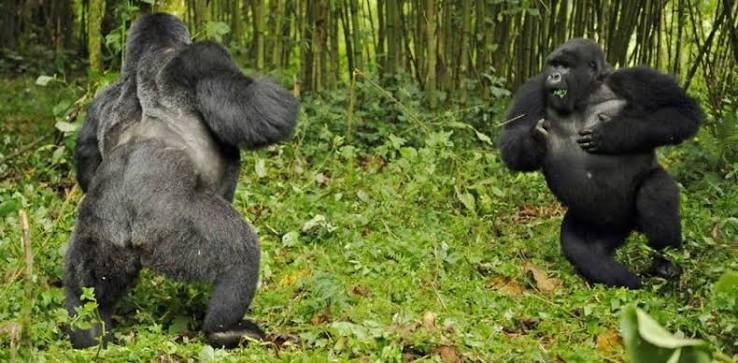
However, the presence of several silverbacks can also create opportunities for competition and leadership changes.
Not every mature male remains permanently within his original family.
6. What Makes a Mountain Gorilla Family Grow or Shrink?
Several natural processes influence mountain gorilla family size.
Births can increase membership when infants survive and develop, while the arrival of adult females from neighbouring groups may contribute further growth.
Families can also lose members through deaths, female transfers and male dispersal.
Sometimes an established group divides when a silverback separates with other individuals, creating two smaller families.
This process is known as group fission.
A well-documented example occurred in Bwindi when the Habinyanja family divided, producing the Rushegura group in 2002.
The resulting families continued developing their own social histories.
Such changes demonstrate that a family’s membership is never guaranteed to remain constant.
Researchers therefore monitor known gorillas regularly to understand births, deaths, transfers and changing group composition.
7. Does Food Availability Affect How Large Gorilla Families Become?
Food availability is relevant when researchers investigate mountain gorilla family size.
Mountain gorillas consume substantial quantities of vegetation, including leaves, stems, shoots and other plant materials.
Their habitats must provide enough food for adults and growing youngsters.
Research in Bwindi has examined how group size affects the use of feeding areas and the frequency with which families return to previously visited locations.
Larger groups may experience competition for suitable food resources, although the consequences depend on habitat conditions.
Studies have also demonstrated differences between Bwindi and the Virunga Mountains in vegetation availability and patterns of feeding competition.
However, food availability alone does not determine a family’s membership.
Social relationships, female transfers, reproduction and leadership changes also influence the size of a group.
Understanding these combined factors helps explain why some families grow substantially while others remain relatively small.
Are Larger Mountain Gorilla Families Better Protected?
Large families may include several adult males capable of participating in defensive interactions.
However, the presence of additional silverbacks does not guarantee protection against every threat.
Mountain gorilla families face risks associated with disease, injuries, habitat disturbances and encounters with other gorillas.
A smaller family may maintain stable relationships, while a larger group may experience competition or eventually divide.
Consequently, researchers do not judge the wellbeing of a gorilla family solely by its membership total.
The health of individuals, survival of infants, reproductive success and stability of social relationships are also important.
Mountain gorilla family size provides useful information, but it should always be interpreted alongside these other conservation indicators.
Frequently Asked Questions About Mountain Gorilla Family Size
How Many Mountain Gorillas Can Live in One Family?
A typical family contains approximately 10 to 15 gorillas, but some groups exceed 20 or 30 members. A historical group reached 65 individuals.
What Is the Average Mountain Gorilla Family Size?
Research generally reports averages of around 11 to 15 individuals, depending on the population, study period and counting method.
What Is the Biggest Mountain Gorilla Family Ever Recorded?
The Pablo group in Rwanda reached 65 individuals in 2006, making it one of the most remarkable examples of mountain gorilla social organisation.
Can a Gorilla Family Have 50 Members?
Yes. Exceptionally large mountain gorilla families have exceeded 50 individuals, although such groups are uncommon.
Can a Gorilla Family Have Two Silverbacks?
Yes. Some mountain gorilla families contain several mature silverbacks, including a dominant male and subordinate adult males.
What Is the Smallest Mountain Gorilla Family?
A newly established group may begin with one male and one female. A solitary male living alone is not normally classified as a family.
Why Do Gorilla Families Become Larger?
Families can grow through successful reproduction, infant survival and the arrival of females from other groups.
Why Do Large Gorilla Families Split?
Group divisions may follow changes in leadership, competition between males or the separation of individuals into new social units.
Are Larger Gorilla Families More Aggressive?
Not necessarily. Family size alone does not determine aggression. Behaviour depends on individual relationships and social circumstances.
Can Tourists Visit Large Gorilla Families in Uganda?
Yes. Visitors can encounter families of varying sizes during authorised gorilla trekking in Bwindi and gorilla trekking in Mgahinga. Exact family allocations depend on park arrangements.
Discover Mountain Gorilla Families With Mountain Gorillas Uganda
Understanding mountain gorilla family size adds another fascinating dimension to a Uganda gorilla trekking safari.
Whether a family contains a single silverback with several companions or a much larger collection of adults and youngsters, every group offers opportunities to observe natural social relationships.
At Mountain Gorillas Uganda, we help travellers discover these remarkable animals through carefully organised and responsible wildlife experiences.
Explore our Uganda gorilla trekking tours, visit the different trekking sectors of Bwindi Impenetrable National Park or experience gorilla trekking in Mgahinga.
For longer regulated opportunities to observe gorilla family interactions, explore the Gorilla Habituation Experience in Uganda.
You can also review our Uganda gorilla trekking permit guide before selecting your preferred travel dates.
Request Your Personalised Uganda Gorilla Safari Quote and experience the remarkable family relationships of mountain gorillas in Uganda’s protected forests.