Gorilla trekking in Uganda is one of Africa’s most remarkable wildlife experiences, taking travelers deep into the mist-covered forests of southwestern Uganda in search of habituated mountain gorilla families. Unlike a traditional game drive where wildlife is observed from a safari vehicle, gorilla trekking is an active forest experience. Travelers walk with professional ranger guides and trackers through tropical vegetation until they locate a gorilla family living naturally within the forest.
Uganda offers gorilla trekking in two protected areas: Bwindi Impenetrable National Park and Mgahinga Gorilla National Park. Together, these destinations protect an important part of the remaining wild mountain gorilla population and provide travelers with several different trekking environments. Bwindi is the larger and more widely visited destination, with four principal trekking sectors, while Mgahinga provides a smaller Virunga Mountain setting with volcanic scenery. Uganda Wildlife Authority identifies both parks as Uganda’s official mountain gorilla trekking destinations.
A Uganda gorilla trekking journey can be arranged as a short trip from Kigali, Entebbe or Kampala, or incorporated into a longer Uganda safari combining chimpanzee trekking, wildlife game drives, boat safaris, cultural experiences and scenic destinations. This flexibility makes Uganda particularly suitable for travelers who want to build a wider African safari around their mountain gorilla encounter.
What Is Gorilla Trekking in Uganda?
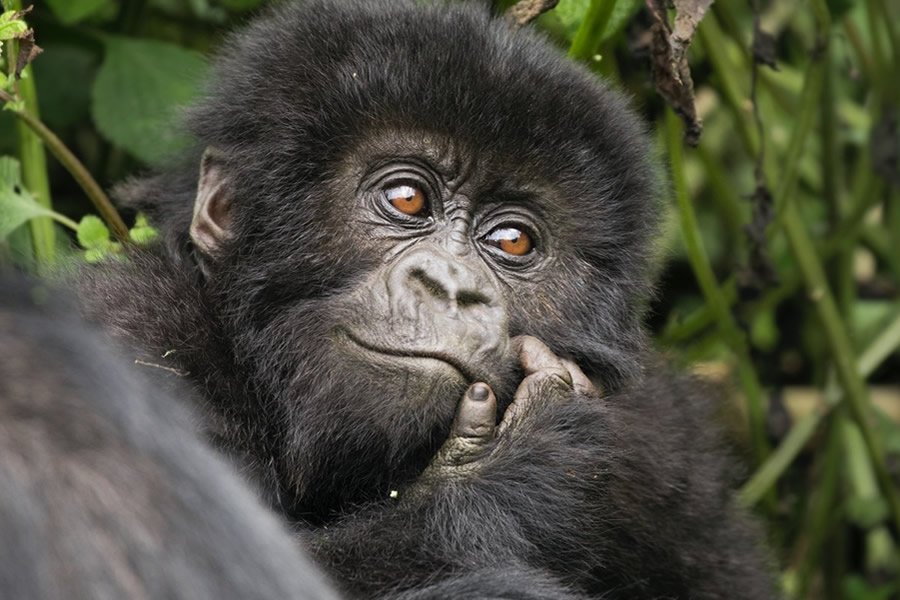
Gorilla trekking is a guided forest expedition undertaken to find a habituated mountain gorilla family. Habituated gorillas are wild gorillas that have gradually become accustomed to the presence of researchers, conservation teams and carefully controlled groups of visitors without becoming domesticated.
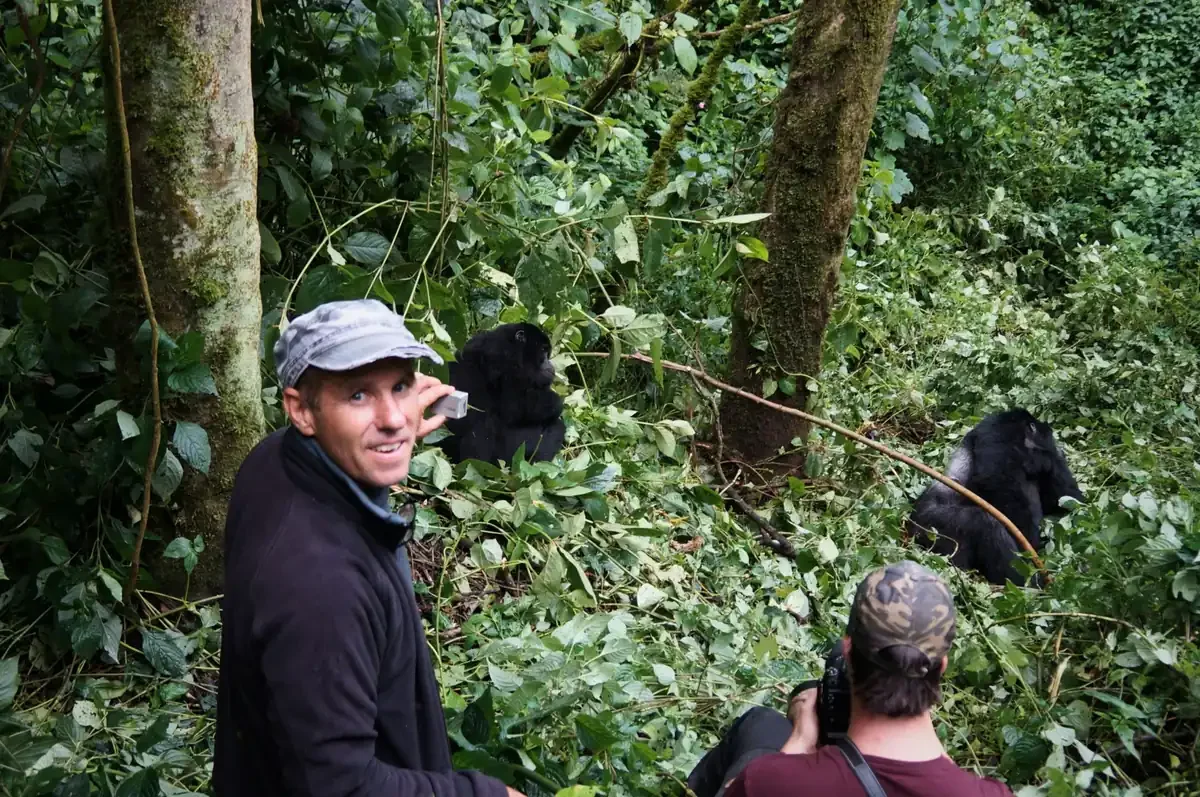
The experience normally starts early in the morning at the designated park briefing point. Uganda Wildlife Authority ranger guides explain trekking procedures, forest conditions, gorilla behavior and the regulations visitors must follow. Travelers are then assigned to groups before entering the forest with guides, trackers and, where required, porters.
Finding the gorillas can require anything from a relatively short walk to several hours of trekking. Mountain gorillas continuously move through their territories in search of food, resting areas and suitable vegetation, meaning their exact location changes from day to day.
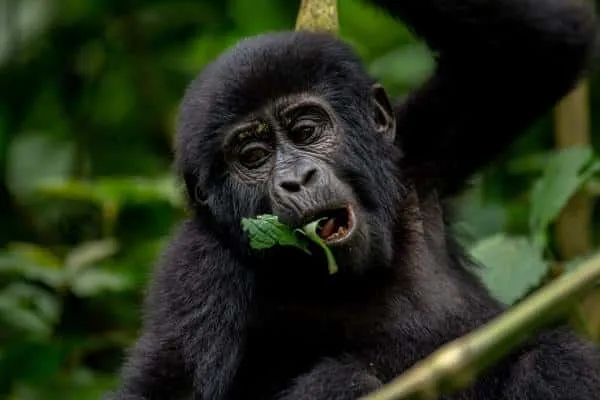
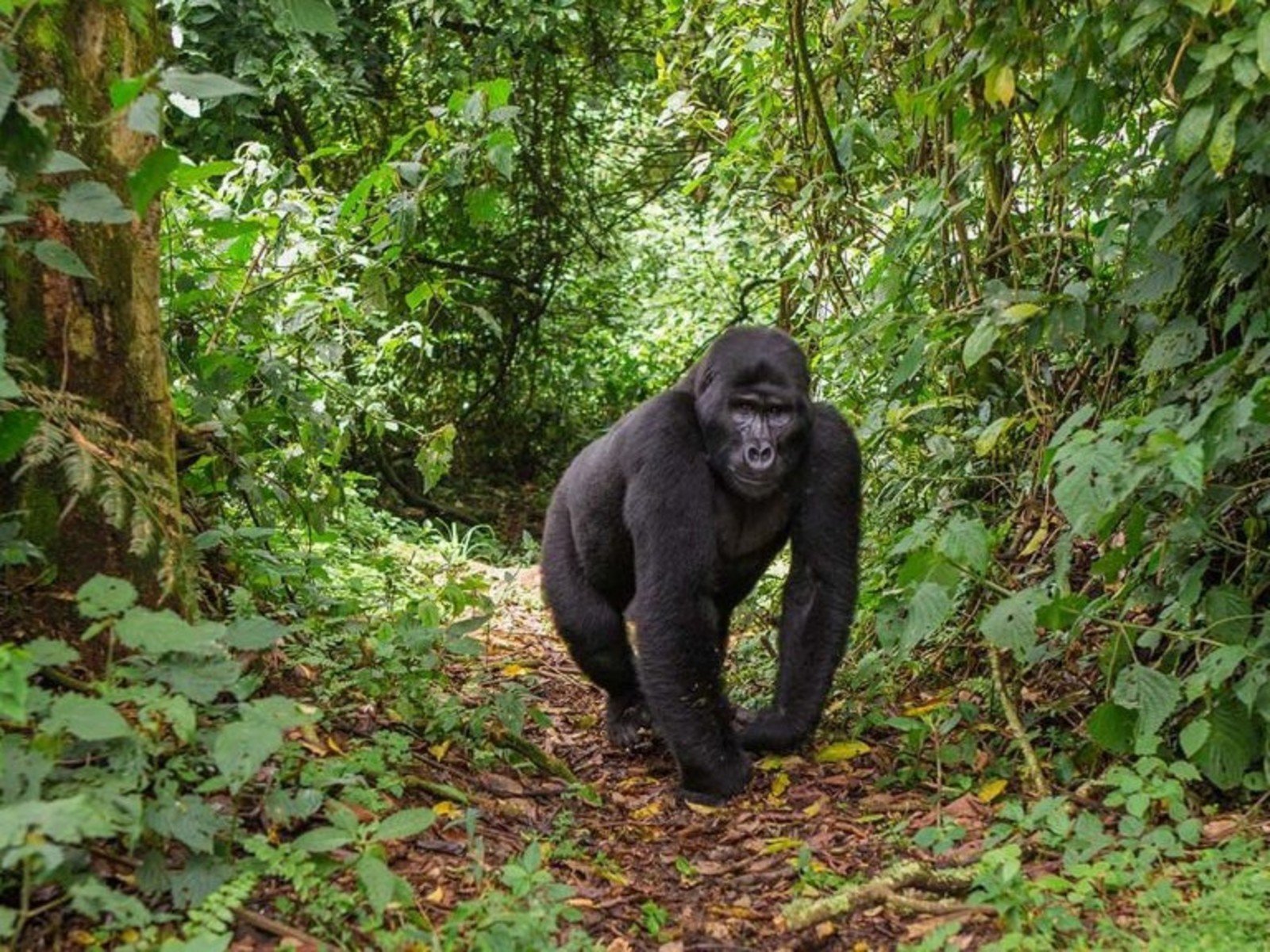
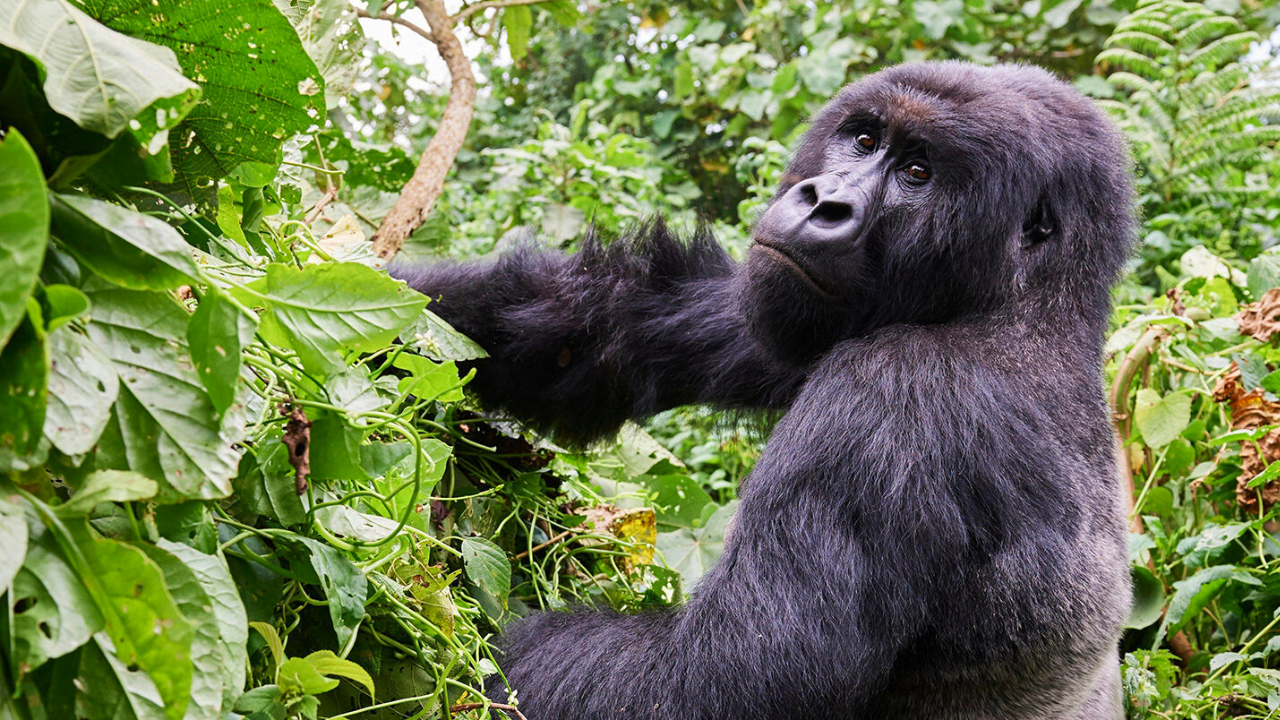
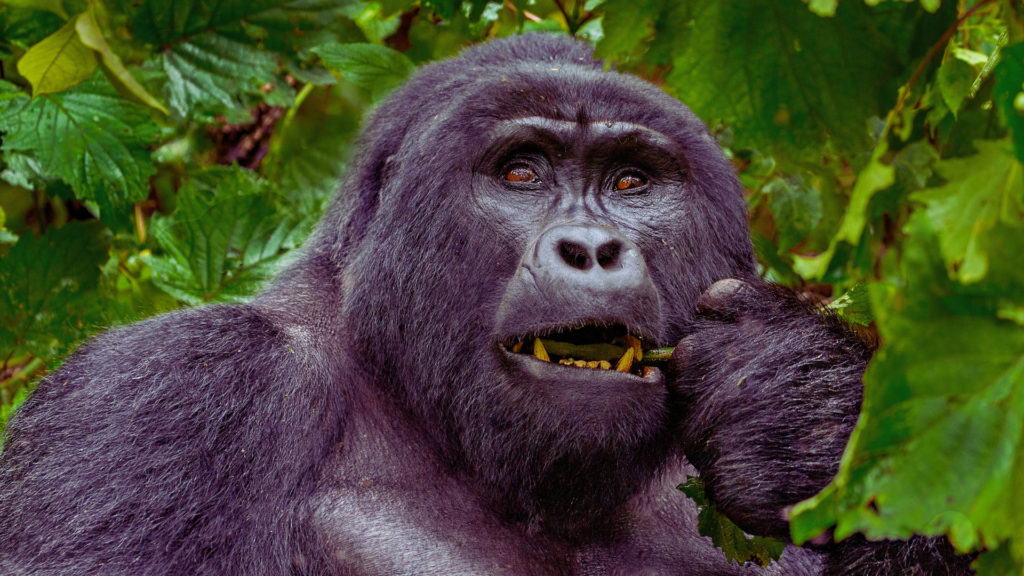
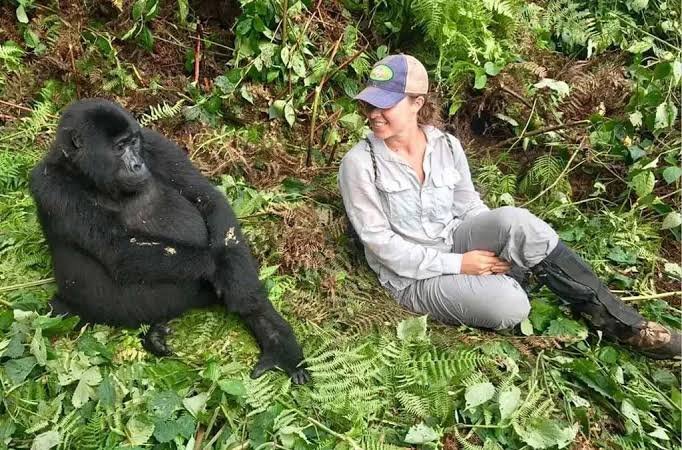
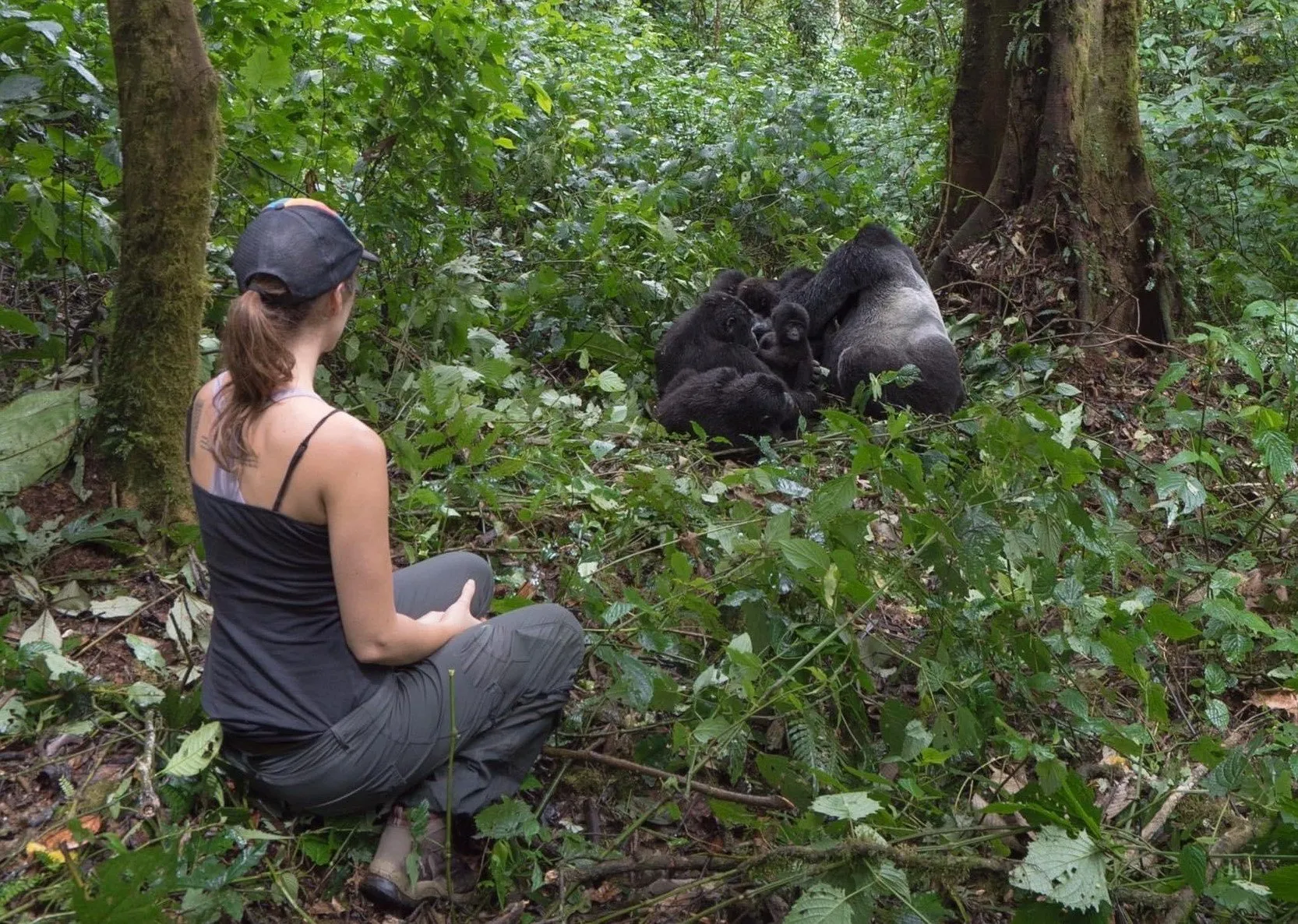
Once the assigned gorilla family is located, visitors have a controlled period in which to quietly observe the gorillas. This is the moment that makes gorilla trekking in Uganda so extraordinary. Travelers may watch a silverback resting beside his family, mothers carrying infants, juveniles climbing vegetation, individuals feeding or the entire family moving slowly across the forest floor.
The encounter is carefully regulated to reduce disturbance and help protect the gorillas while still allowing visitors to experience their natural behavior at remarkably close range.
Where Can You Go Gorilla Trekking in Uganda?
Uganda has two national parks where travelers can undertake mountain gorilla trekking: Bwindi Impenetrable National Park and Mgahinga Gorilla National Park. UWA states that Bwindi contains roughly half of the world’s mountain gorilla population, while Mgahinga forms part of the wider Virunga landscape.
Although both destinations provide the opportunity to encounter mountain gorillas, they offer noticeably different landscapes, accommodation choices, trekking structures and safari-routing possibilities.
Gorilla Trekking in Bwindi Impenetrable National Park
Bwindi Impenetrable National Park is Uganda’s best-known mountain gorilla destination and the location chosen for the majority of Uganda gorilla trekking safaris. The protected forest covers approximately 321 square kilometers and ranges from about 1,160 to 2,607 meters above sea level.
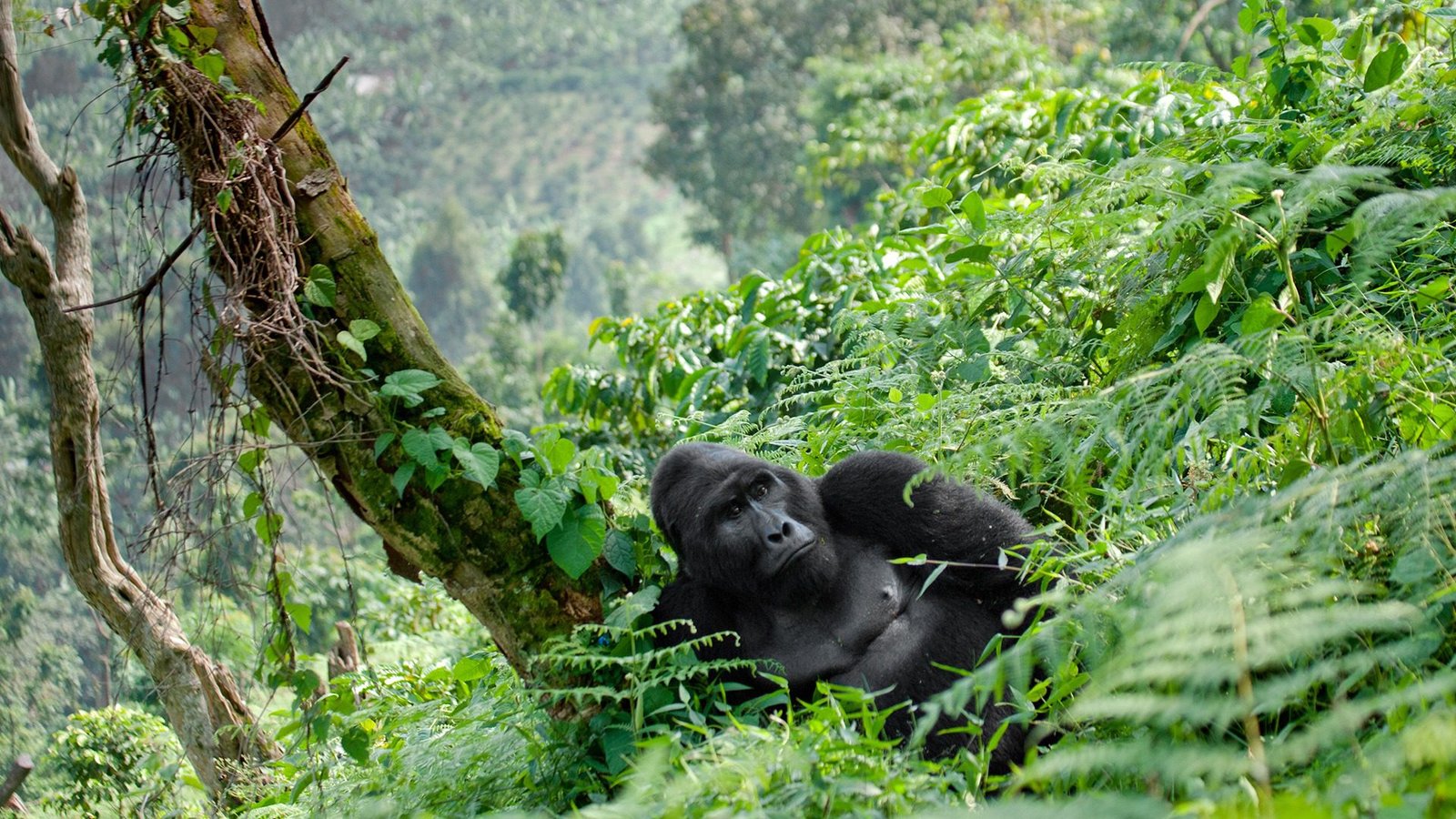
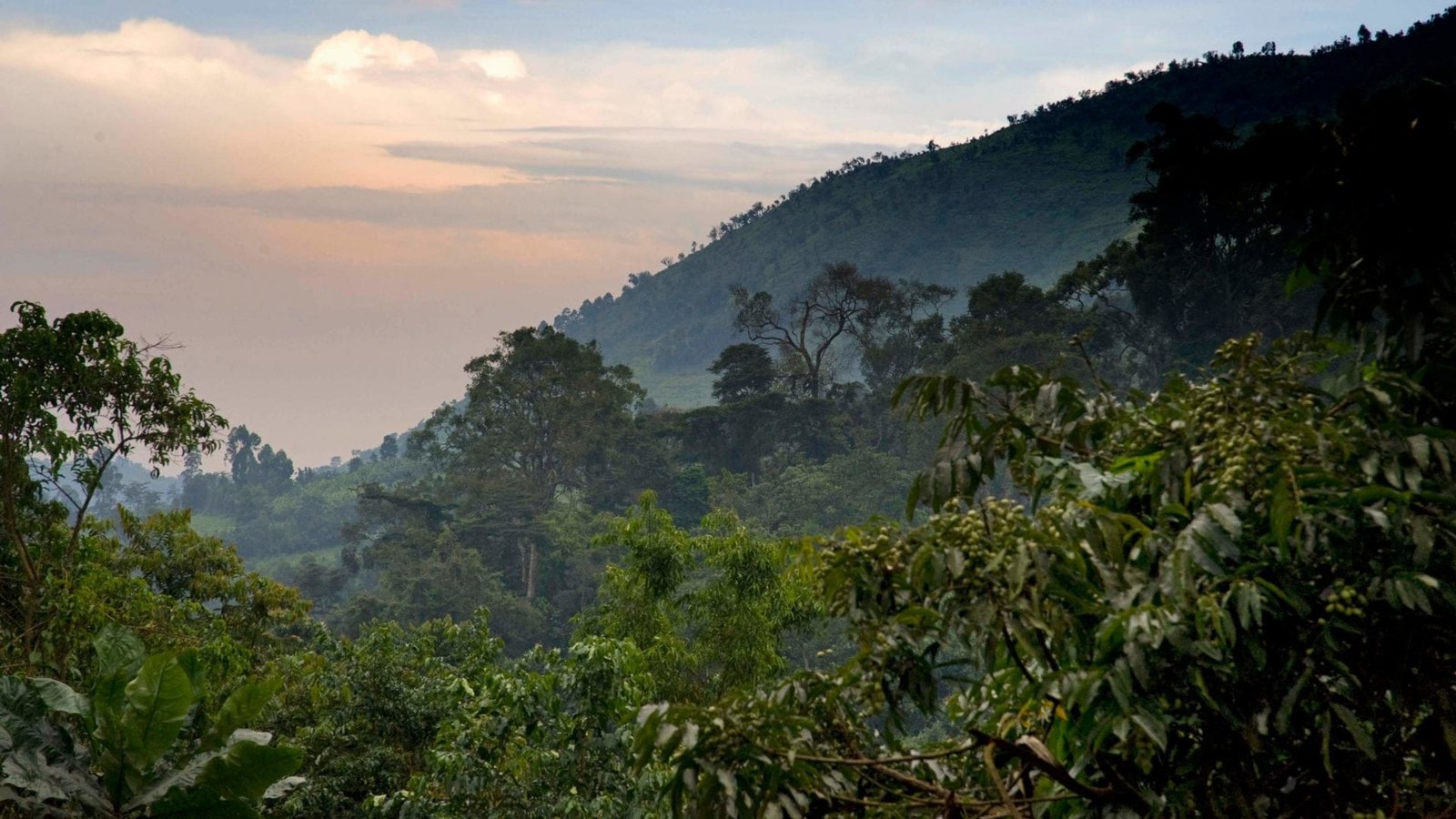
The forest is characterized by steep hills, thick vegetation, tangled vines, streams and an exceptional variety of plant and animal life. Trekking through Bwindi can therefore feel like a true rainforest expedition rather than simply a walk to a wildlife-viewing point.
One of Bwindi’s greatest advantages is the choice of trekking areas. The park is divided into four principal gorilla trekking sectors: Buhoma, Ruhija, Rushaga and Nkuringo.
Each sector has its own character, road access, accommodation options and surrounding attractions. Choosing the correct sector is therefore an important part of planning a Uganda gorilla safari.
Buhoma Sector
Buhoma is located on the northern side of Bwindi and is one of the most established gorilla tourism areas in Uganda. Its long history of tourism has encouraged the development of a wide range of accommodation, from comfortable mid-range properties to high-end forest lodges.
Buhoma is particularly useful when combining gorilla trekking in Uganda with Queen Elizabeth National Park because travelers can approach Bwindi through the Ishasha region. This creates a natural safari route linking savannah wildlife experiences with mountain gorilla trekking.
The surrounding area also offers forest walks, cultural experiences and community activities, making Buhoma suitable for travelers who want more than a single trekking day.
Ruhija Sector
Ruhija lies on the eastern side of Bwindi and offers a peaceful mountain forest atmosphere. It is particularly attractive to travelers interested in birdlife, nature and quieter surroundings.
Its higher-altitude setting can create cool conditions, especially early in the morning and during wetter periods. The terrain varies depending on where the gorilla family is located, so some treks can involve demanding slopes while others may be more moderate.
Ruhija can also work well within itineraries connecting Kabale, Queen Elizabeth National Park and other areas of southwestern Uganda.
Rushaga Sector
Rushaga is located in southern Bwindi and has become an important base for gorilla tourism. The area provides access to multiple gorilla trekking opportunities and is strategically located for visitors arriving through Kisoro or traveling from Rwanda.
Rushaga is particularly convenient for travelers beginning their safari in Kigali. Crossing into Uganda through the southwestern border makes it possible to reach southern Bwindi considerably faster than driving from Kampala or Entebbe.
The area also offers access to Uganda’s specialized gorilla habituation experience, although gorilla habituation should be treated as a separate experience from standard gorilla trekking.
Nkuringo Sector
Nkuringo occupies the southwestern side of Bwindi and is renowned for its dramatic highland scenery. The landscape around the sector includes steep ridges, cultivated hillsides and extensive views toward the Virunga region.
Trekking here can sometimes be physically challenging because of the terrain, making good preparation useful. However, the scenery and remote atmosphere make Nkuringo particularly rewarding for adventurous travelers and photographers.
The sector also works well for itineraries connecting Bwindi with Kisoro, Lake Mutanda, Mgahinga Gorilla National Park or Rwanda.
Gorilla Trekking in Mgahinga Gorilla National Park
Mgahinga Gorilla National Park provides Uganda’s second mountain gorilla trekking destination. At approximately 33.7 square kilometers, it is Uganda’s smallest national park and lies in Kisoro District in the country’s far southwest. The park forms part of the Virunga landscape and includes the Ugandan slopes of Mount Muhabura, Mount Gahinga and Mount Sabyinyo.
The experience here feels quite different from Bwindi. Instead of Bwindi’s immense ancient rainforest, visitors trek through a landscape influenced by volcanoes, bamboo forest and montane vegetation.
Mgahinga is particularly attractive for travelers who want to combine mountain gorillas with other adventure experiences. Golden monkey tracking, volcano hiking, birdwatching and cultural activities can all be incorporated into an itinerary in the wider Kisoro region.
The park’s position close to Rwanda also makes it practical for travelers arriving through Kigali and crossing into Uganda through Cyanika.
Choosing between Bwindi and Mgahinga should depend on permit availability, preferred accommodation, safari routing, fitness, additional activities and the type of scenery a traveler wants to experience.
What Happens on a Gorilla Trekking Day?
A typical gorilla trekking day begins early. Travelers usually have breakfast at their lodge before driving to their assigned park headquarters or briefing point.
Registration and briefing take place before the trek begins. Rangers explain how visitors should behave around gorillas, appropriate viewing distances, what to do if a gorilla approaches, photography considerations and how to move safely through the forest.
Travelers are then allocated to a particular habituated gorilla family. Allocation may take into consideration factors such as physical ability, although exact trekking difficulty can never be guaranteed because gorillas move naturally throughout their habitat.
The group enters the forest accompanied by Uganda Wildlife Authority rangers. Trackers often have information about the gorillas’ previous location and movements, helping guides determine where to begin searching.
During the trek, visitors may cross streams, climb forested slopes, walk through thick vegetation and encounter other wildlife, birds, insects and plant species. The journey itself forms an important part of the experience.
Eventually, communication between trackers and guides indicates that the gorillas are nearby. Visitors prepare cameras, leave unnecessary equipment with porters where instructed and carefully approach the family.
Seeing a mountain gorilla emerge through dense vegetation is often surprisingly quiet. A huge silverback may sit calmly feeding while juveniles climb above him and females remain nearby with infants. Because the animals are observed within their natural forest environment, every encounter is different.
After the permitted viewing period, visitors leave the gorillas and trek back through the forest. Successful trekkers generally receive recognition of completing the experience before returning to their lodge.
How Much Does Gorilla Trekking in Uganda Cost?
The overall cost of gorilla trekking in Uganda includes much more than the gorilla permit. A complete safari budget may include the permit, accommodation, private transport, professional safari guide, meals, border transfers where applicable, park-related activities and other destinations included in the itinerary.
Uganda Wildlife Authority introduced special low-season permit pricing for April, May and November 2026, with gorilla tracking priced at US$600 for foreign non-residents and US$500 for foreign residents. UWA’s revised tariff effective from 1 January 2027 lists standard gorilla tracking at US$800 for foreign non-residents, US$700 for foreign residents, US$500 for Rest of Africa visitors and UGX300,000 for East African citizens.
Because permit regulations and tariffs can change, travelers should always confirm the applicable rate for their exact trekking date before arranging the rest of the safari.
The gorilla permit should also not be confused with the complete price of a gorilla safari. Accommodation category, starting point, number of travelers, vehicle type and length of itinerary can all make a substantial difference to the final trip cost.
| Traveler Category | April, May & November 2026 | From 1 January 2027 |
|---|---|---|
| Foreign Non-Residents | US$600 | US$800 |
| Foreign Residents | US$500 | US$700 |
| Rest of Africa | Confirm applicable rate | US$500 |
| East African Citizens | Confirm applicable rate | UGX 300,000 |
Important: The gorilla permit is only one part of the total cost of gorilla trekking in Uganda. Travelers should also budget for accommodation, private transport, safari guide services, meals, border transfers, additional park activities and the overall length of the safari.
3 Days Uganda Gorilla Trekking Safari
A short and rewarding gorilla trekking adventure designed for travelers who want to experience Uganda’s mountain gorillas within a compact itinerary.
Request a Trip
4 Days Bwindi Gorilla Trekking Safari
Explore the misty forests of Bwindi Impenetrable National Park and enjoy a relaxed gorilla trekking journey with additional time around the region.
Request a Trip
5 Days Uganda Gorilla & Wildlife Safari
Combine an unforgettable mountain gorilla encounter with classic wildlife viewing for a balanced introduction to Uganda’s remarkable safari diversity.
Request a Trip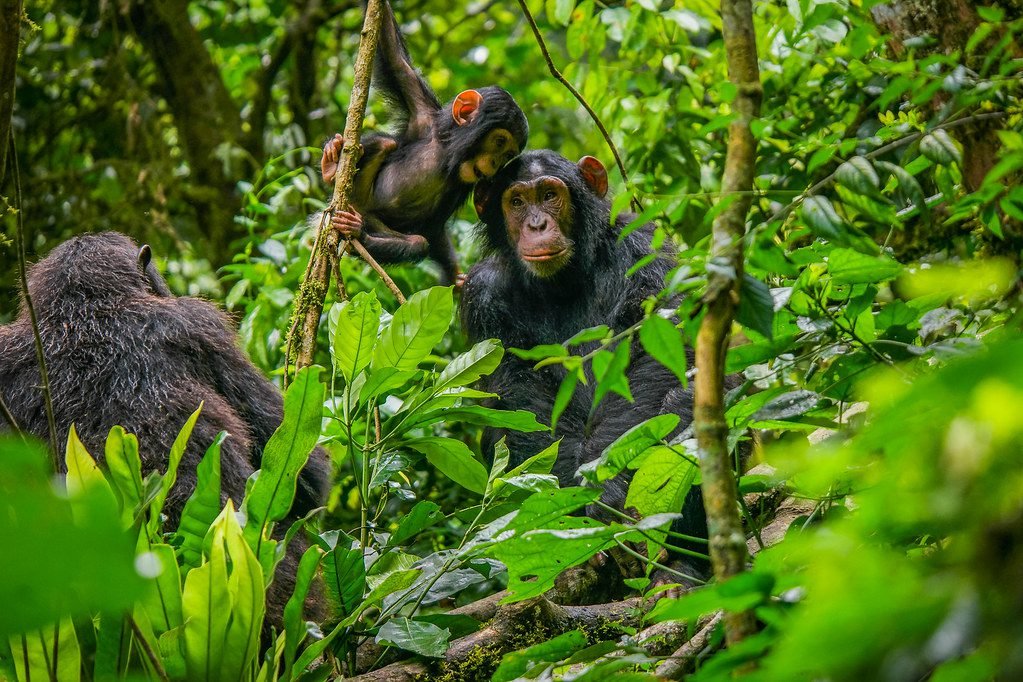
6 Days Gorillas & Chimpanzees Safari
Experience two of Uganda’s greatest primate encounters by combining mountain gorilla trekking with an exciting chimpanzee tracking experience.
Request a Trip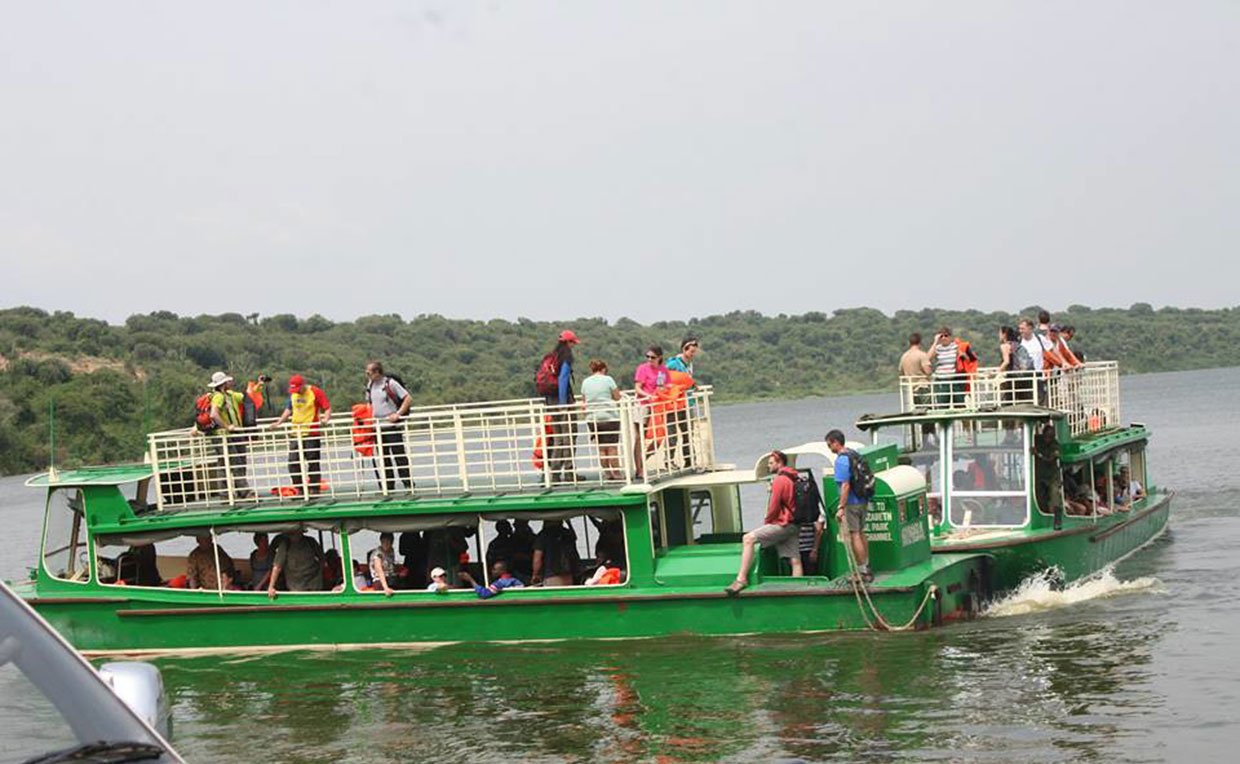
7 Days Gorillas & Queen Elizabeth Safari
Trek mountain gorillas in Bwindi before continuing to Queen Elizabeth National Park for game drives and a scenic Kazinga Channel boat safari.
Request a Trip
Luxury Uganda Gorilla Trekking Safari
Enjoy a premium gorilla trekking experience with carefully selected lodges, private safari transport and a more comfortable, personalized travel pace.
Request a TripWhen Is the Best Time for Gorilla Trekking in Uganda?
Gorilla trekking in Uganda is possible throughout the year. The experience changes with seasonal rainfall rather than disappearing during a particular season.
Drier periods are popular because forest trails can be less muddy and road conditions may be easier. They are therefore attractive to travelers concerned about trekking difficulty or those combining gorillas with extensive wildlife safaris elsewhere in Uganda.
Wetter months, however, should not automatically be regarded as unsuitable. Bwindi is a rainforest environment and rain can occur at almost any time of year. Wetter periods produce exceptionally green vegetation, atmospheric forest scenery and can appeal strongly to photographers.
Travelers should therefore choose dates based not only on rainfall but also permit availability, accommodation preferences, overall safari route and personal flexibility.
A separate Best Time for Gorilla Trekking in Uganda guide can provide a detailed month-by-month analysis rather than overcrowding this main pillar page.
How Difficult Is Gorilla Trekking in Uganda?
The difficulty of a gorilla trek varies considerably. No operator can accurately guarantee how long or easy a trek will be because mountain gorillas are wild animals that move freely through their habitat.
Some visitors may locate their gorilla family relatively quickly, while others may spend several hours walking through steep and uneven forest terrain.
Bwindi’s landscape can include muddy trails, dense vegetation and significant elevation changes. Mgahinga also involves mountain terrain and changes in altitude.
A reasonable level of fitness helps, but travelers do not need to be professional hikers. Regular walking before the safari, appropriate footwear, carrying sufficient water and using a porter can make the experience considerably more comfortable.
Visitors with mobility concerns, older travelers or those worried about fitness should discuss their needs during safari planning so that appropriate logistical arrangements can be considered.
What Should You Wear for Gorilla Trekking?
Clothing should be selected for protection and comfort rather than fashion. Forest conditions can involve mud, rain, insects, vegetation and changing temperatures.
Sturdy walking or hiking shoes with good grip are among the most important items. Long trousers protect the legs from vegetation, while a lightweight long-sleeved shirt provides additional protection for the arms.
A waterproof jacket is highly recommended because rainfall can occur unexpectedly. Gardening or trekking gloves can be useful when holding branches or vegetation for balance.
A small backpack can carry drinking water, camera equipment, snacks where permitted, sunscreen and other personal essentials.
Travelers should avoid carrying unnecessary weight. Hiring a local porter provides practical assistance while also creating direct economic benefits for people living around the protected areas.
Is Gorilla Trekking in Uganda Safe?
Gorilla trekking is a highly managed wildlife activity conducted with trained ranger guides and trackers. Visitors trek only to gorilla families that have undergone a long habituation process.
Before entering the forest, travelers receive a safety briefing covering behavior around gorillas, movement within the forest and procedures that should be followed during the encounter.
Mountain gorillas are extremely powerful wild animals, so regulations must always be respected. Visitors should remain calm, avoid sudden disruptive behavior and follow the instructions of their ranger guide.
Travelers should also remember that trekking takes place in natural mountain forest. Appropriate footwear, hydration and awareness of slippery or uneven ground are therefore part of personal safety.
Gorilla Trekking Rules in Uganda
Rules surrounding gorilla trekking exist primarily to protect both the gorillas and visitors.
Travelers must follow instructions provided during the official briefing and throughout the trek. Groups should remain together and avoid making unnecessary noise when approaching the gorillas.
Eating and drinking near gorillas is restricted, flash photography should not be used, and visitors should avoid touching the animals even if a gorilla moves close to them.
Health precautions are particularly important because gorillas are genetically close to humans and can be vulnerable to human illnesses. Anyone feeling unwell before a scheduled trek should inform their guide or relevant authorities rather than concealing symptoms.
Responsible behavior protects the long-term future of mountain gorilla tourism.
Gorilla Trekking From Kigali
Starting in Kigali is one of the most practical ways of reaching southwestern Uganda, particularly for visitors undertaking a short gorilla safari.
Travelers can be collected from Kigali International Airport or a city hotel and drive north toward the Rwanda-Uganda border before continuing to Bwindi or Mgahinga.
This routing can significantly reduce road time compared with beginning the trip in central Uganda, especially when the trekking permit is allocated to southern Bwindi or Mgahinga.
A Kigali-starting safari is particularly suitable for travelers with only two to four days available for their gorilla experience.
A dedicated Gorilla Trekking From Kigali page should cover border crossings, distances, recommended arrival times, routes, itinerary lengths and logistical considerations in much greater depth.
Gorilla Trekking From Entebbe or Kampala
Travelers beginning in Entebbe or Kampala normally undertake a longer journey into southwestern Uganda. The advantage is that the route can easily be expanded into a complete Uganda safari.
Instead of treating the journey simply as a transfer, travelers can combine gorilla trekking with destinations such as Lake Mburo National Park, Queen Elizabeth National Park, Kibale National Park or other wildlife areas.
Domestic flights can also reduce travel time. Depending on the trekking sector and itinerary, travelers may fly toward Kihihi or Kisoro and continue by road to their lodge.
This option is particularly attractive for luxury travelers, visitors on limited schedules and those who prefer to minimize long road transfers.
Gorilla Trekking vs Gorilla Habituation in Uganda
Standard gorilla trekking and the gorilla habituation experience should not be confused.
Standard trekking is designed around locating and observing an already habituated gorilla family during the normal regulated encounter.
The gorilla habituation experience provides a different format associated with gorillas undergoing the longer process of becoming accustomed to carefully managed human presence. It involves a different permit structure and a longer experience.
Travelers interested specifically in habituation should therefore consult a dedicated Gorilla Habituation Experience in Uganda guide instead of assuming that the two activities are interchangeable.
Uganda vs Rwanda for Gorilla Trekking
Uganda and Rwanda both provide exceptional opportunities to see mountain gorillas, but their safari structures are different.
Uganda offers trekking in Bwindi and Mgahinga, giving visitors several different forest areas and convenient opportunities to combine gorillas with chimpanzees, savannah wildlife, lakes and other destinations.
Rwanda concentrates its gorilla trekking in Volcanoes National Park and is particularly attractive because of straightforward access from Kigali.
The best choice therefore depends on budget, trip duration, accommodation expectations, preferred trekking landscape and the other experiences a traveler wants to include.
Travelers do not necessarily have to choose only one country. Uganda and Rwanda can be combined within the same itinerary, allowing visitors to experience different landscapes and even undertake more than one gorilla trek.
Can Gorilla Trekking Be Combined With a Wildlife Safari?
One of Uganda’s greatest advantages is the ease with which gorilla trekking can be combined with other major wildlife experiences.
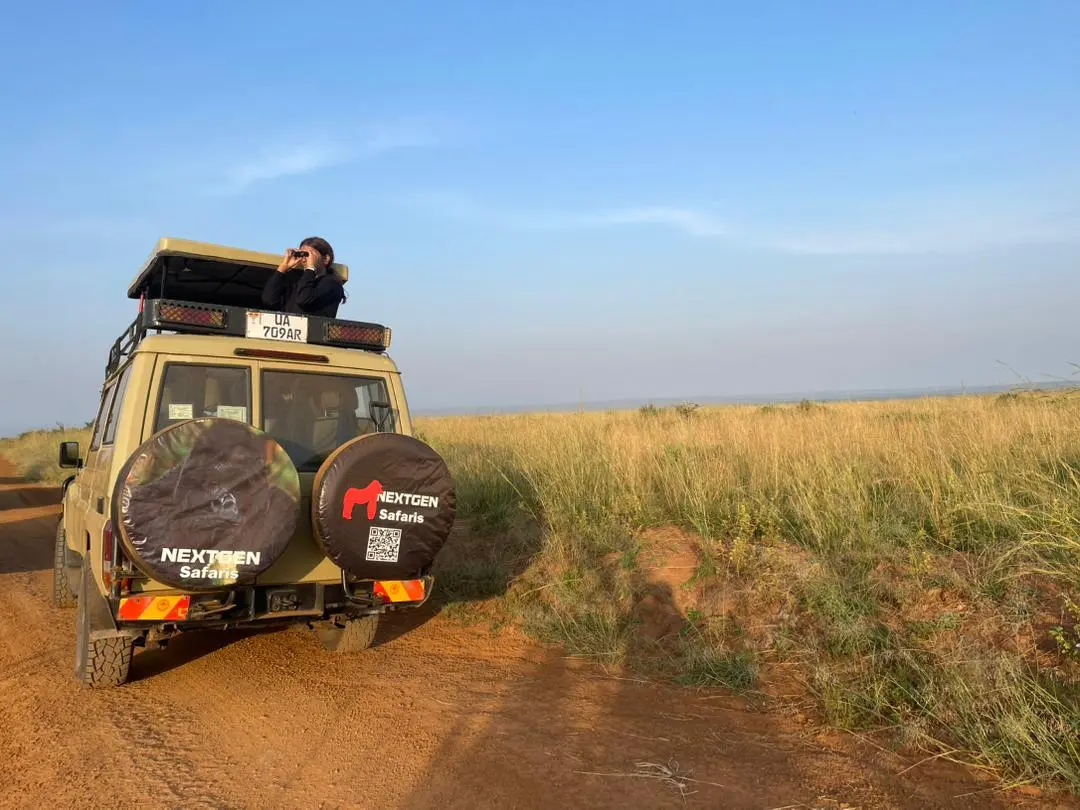
A popular route can connect Bwindi with Queen Elizabeth National Park, where travelers can undertake game drives and explore the Kazinga Channel before continuing toward Kibale National Park for chimpanzee trekking.
Longer itineraries can include Murchison Falls National Park, Ziwa Rhino Sanctuary, Lake Mburo National Park or other parts of the country.
This creates the opportunity to see mountain gorillas, chimpanzees, elephants, lions, hippos, buffaloes and other African wildlife within one journey rather than traveling to Uganda solely for a single primate activity.
How Many Days Do You Need for Gorilla Trekking in Uganda?
The ideal trip length depends largely on where the safari begins.
A short itinerary from Kigali can focus primarily on transportation to southwestern Uganda, the gorilla trek and the return journey.
Travelers starting from Entebbe generally benefit from additional days because the road distance is considerably longer and there are worthwhile safari destinations that can be incorporated along the route.
For travelers interested only in mountain gorillas, a short safari may be sufficient. Those wanting gorillas plus chimpanzees and traditional wildlife viewing should consider a longer itinerary.
Rather than choosing trip duration based solely on price, travelers should consider road time, recovery after trekking, additional activities and the pace they would like their safari to have.
Why Gorilla Trekking in Uganda Is Special
Uganda combines several qualities that make it one of the world’s most important mountain gorilla destinations.
Travelers can choose between the ancient forest landscapes of Bwindi and the volcanic environment of Mgahinga. Bwindi itself provides four separate trekking sectors, allowing itineraries to be designed around different accommodation options and travel routes.
Uganda also protects more than half of the world’s mountain gorillas according to Uganda Wildlife Authority, giving the country exceptional importance in global mountain gorilla conservation.
Perhaps most importantly for travelers, the gorilla encounter does not need to stand alone. It can form the centerpiece of a much broader Uganda journey combining primates, savannah wildlife, landscapes, communities and adventure.
Planning Your Gorilla Trekking Safari in Uganda
Successful gorilla trekking begins with good planning.
The first consideration should normally be the intended travel dates. Permit availability can then be checked before accommodation and the wider safari route are finalized.
The next decision is whether to trek in Bwindi or Mgahinga. For Bwindi, the specific trekking sector is extremely important because accommodation should normally be arranged conveniently for the sector attached to the permit.
Travelers should then determine whether the journey will begin in Kigali, Entebbe or Kampala, and whether road transport or domestic flights are preferable.
Accommodation can subsequently be selected according to budget and travel style, ranging from simpler lodges to exclusive luxury properties.
Finally, the gorilla experience can be combined with other Uganda destinations according to the number of available days.
With the correct combination of permits, routing, accommodation and transport, gorilla trekking in Uganda becomes far more than a single morning in the forest. It becomes the central experience around which an unforgettable journey through southwestern Uganda can be built.
Frequently Asked Questions About Gorilla Trekking in Uganda
Is gorilla trekking in Uganda worth it?
Yes. Gorilla trekking in Uganda is one of the most memorable wildlife experiences in Africa because travelers enter the natural rainforest habitat of mountain gorillas and observe a habituated gorilla family at close range. The experience is very different from a conventional game drive because it involves walking through the forest with trained ranger guides and trackers before reaching the gorillas. Uganda also allows travelers to combine gorilla trekking with chimpanzee tracking, wildlife safaris, boat cruises and other activities within the same itinerary.
Where can I go gorilla trekking in Uganda?
Travelers can go gorilla trekking in Uganda in Bwindi Impenetrable National Park and Mgahinga Gorilla National Park. Bwindi is the larger and more frequently visited destination, with trekking organized in Buhoma, Ruhija, Rushaga and Nkuringo. Mgahinga offers a smaller and more intimate setting within the Virunga Mountains. The best choice depends on permit availability, accommodation preferences, safari routing and the other destinations included in the trip.
What is the best time for gorilla trekking in Uganda?
Gorilla trekking is available throughout the year. Many travelers prefer the relatively drier periods because forest trails may be easier to walk and road conditions can be more comfortable. However, Bwindi and Mgahinga are mountain forest environments where rainfall can occur at any time. Wetter months can also provide beautiful green landscapes, fewer visitors and excellent photographic conditions. The best time ultimately depends on availability, budget and the wider safari itinerary.
How much does gorilla trekking in Uganda cost?
The total cost of gorilla trekking in Uganda includes more than the gorilla permit. Travelers should consider accommodation, transport, safari guide services, meals, park-related activities and any additional destinations included in the itinerary. The permit itself is a major component of the cost, but the final safari price varies considerably depending on whether the trip is budget, mid-range or luxury and whether it starts from Kigali, Entebbe or Kampala.
How long does a gorilla trek take?
The trekking time cannot be guaranteed because mountain gorillas move naturally through the forest. Some groups may locate their assigned gorilla family relatively quickly, while others may spend several hours hiking before reaching them. The trek can involve steep slopes, muddy paths and dense vegetation. Travelers should therefore keep most of the day available for the activity and avoid arranging tight schedules immediately after the trek.
How much time do you spend with the gorillas?
During standard gorilla trekking in Uganda, visitors normally spend up to one hour observing the assigned habituated gorilla family once it has been located. This viewing period allows travelers to watch the gorillas feeding, resting, interacting and moving through the forest while following the instructions of Uganda Wildlife Authority ranger guides. Gorilla habituation is a separate experience and follows a different permit structure and viewing arrangement.
How difficult is gorilla trekking in Uganda?
The difficulty varies from one trek to another. Some gorilla families may be relatively close to the starting point, while others can require several hours of walking through steep and uneven forest terrain. A reasonable level of fitness is helpful, but travelers do not need to be professional hikers. Preparing with regular walks, wearing proper hiking shoes and hiring a porter can make the experience considerably easier and more enjoyable.
What should I wear for gorilla trekking in Uganda?
Travelers should wear sturdy walking or hiking shoes with good grip, long trousers and a comfortable long-sleeved shirt. A lightweight waterproof jacket is highly recommended because rainforest weather can change quickly. Gloves can also be useful for protecting the hands when moving through vegetation. Neutral-colored clothing, a small backpack and comfortable socks are practical additions for the trek.
Is gorilla trekking in Uganda safe?
Yes, gorilla trekking in Uganda is a carefully controlled wildlife activity conducted with trained ranger guides and trackers. Visitors are taken only to habituated gorilla families and receive a detailed briefing before entering the forest. Travelers must follow all instructions given by their guides, maintain appropriate behavior around the gorillas and respect health and safety regulations. The gorillas remain wild animals, so visitors should never attempt to touch or provoke them.
What is the minimum age for gorilla trekking in Uganda?
The minimum age for standard gorilla trekking in Uganda is generally 15 years. This rule helps ensure that participants can follow ranger instructions and cope with the physical demands of trekking in a mountain forest environment. Families traveling with younger children can still enjoy other activities around Bwindi, Mgahinga and nearby safari destinations while eligible family members participate in the gorilla trek.
Can older travelers go gorilla trekking in Uganda?
Yes. Many older travelers successfully participate in gorilla trekking in Uganda. Age alone does not necessarily prevent someone from trekking, although fitness, mobility and general health should be considered. Hiring a porter is highly recommended, and travelers with mobility concerns should inform their safari planner in advance. In some cases, additional assistance can be organized to make the forest experience more manageable.
Can I take photographs during gorilla trekking?
Yes, photography is allowed and is one of the highlights of the experience. However, flash photography is not permitted because it can disturb the gorillas. Travelers should prepare camera settings before approaching the gorillas and carry equipment that is comfortable enough to manage during the trek. Forest lighting can be challenging, so cameras and lenses that perform well in low-light conditions are particularly useful.
Can gorilla trekking in Uganda be combined with a wildlife safari?
Absolutely. One of the major advantages of gorilla trekking in Uganda is the ability to combine it with other safari experiences. Travelers can visit Queen Elizabeth National Park for game drives and a Kazinga Channel boat cruise, Kibale National Park for chimpanzee tracking, Lake Mburo National Park for wildlife viewing or Murchison Falls National Park for a longer Uganda safari. This makes it possible to experience primates and traditional African wildlife within the same journey.
Can I do gorilla trekking in Uganda from Kigali?
Yes. Kigali is one of the most convenient starting points for short Uganda gorilla trekking safaris. Travelers can drive from Kigali into southwestern Uganda and continue to Bwindi or Mgahinga. This route can reduce travel time compared with driving from Kampala or Entebbe, particularly when trekking in southern Bwindi or Mgahinga. A two-day or three-day gorilla safari can therefore be arranged from Kigali depending on flight schedules and permit availability.
How far in advance should I book gorilla trekking in Uganda?
It is advisable to book gorilla trekking in Uganda as early as possible, especially if traveling during popular months or requiring a specific Bwindi trekking sector. Gorilla permits are limited each day and availability can become restricted during peak travel periods. Early booking also allows enough time to match the permit location with the correct accommodation and transport arrangements. Travelers planning luxury lodges, family trips or fixed travel dates benefit particularly from booking well in advance.
Ready for Gorilla Trekking in Uganda?
Start planning your Uganda gorilla trekking experience with a safari designed around your travel dates, preferred trekking destination, accommodation style and overall safari interests.
Request Your Safari Quote