Best Time for Gorilla Trekking in Uganda is one of the most important questions travelers ask when preparing to see mountain gorillas in Bwindi Impenetrable National Park or Mgahinga Gorilla National Park. Uganda offers gorilla trekking throughout the year, which means there is technically no month when travelers cannot undertake the experience. However, rainfall, trail conditions, visitor numbers, accommodation availability, photography conditions and the wider safari itinerary can make certain months more suitable for particular travelers than others.
For most visitors, June to September and December to February are among the most attractive periods because these months generally fall within Uganda’s relatively drier seasons. Trails through the forests can be easier to navigate, road conditions are usually more favorable, and these periods combine particularly well with wildlife safaris elsewhere in Uganda. Uganda Wildlife Authority similarly identifies the dry season as a favorable period for primate tracking and notes that Bwindi itself can be visited throughout the year.
However, describing only the dry months as the best time for gorilla trekking can be misleading. Travelers looking for greener scenery, atmospheric photography, fewer visitors or greater flexibility may actually prefer the wetter months. Bwindi is an equatorial rainforest with seasonal rainfall patterns, and rain remains possible even during months normally described as dry. The best period therefore depends on what you value most from your gorilla trekking safari.
| Month | General Conditions | Trekking Experience | Best For |
|---|---|---|---|
| January | Relatively dry | Generally good trail conditions and comfortable trekking. | Gorillas, wildlife safaris and first-time visitors |
| February | Relatively dry | Good trekking conditions with fewer muddy sections. | Gorillas, chimpanzees and combined Uganda safaris |
| March | Rainfall begins increasing | Greener forests with increasingly wet trails. | Photography and quieter travel |
| April | Wet | Muddy and slippery trails but exceptionally lush rainforest. | Photography, fewer visitors and adventurous travelers |
| May | Wet to transitional | Lush scenery with rainfall gradually beginning to reduce. | Quieter gorilla trekking and green landscapes |
| June | Dry season begins | Excellent trekking and generally easier trail conditions. | Gorillas combined with wildlife safaris |
| July | Dry | One of the most favorable and popular trekking months. | First-time visitors, families and longer safaris |
| August | Dry | Very good trail and road conditions with high visitor demand. | Gorillas, wildlife and family holidays |
| September | Dry to transitional | Good conditions early in the month with rainfall increasing later. | Photography and balanced safari conditions |
| October | Wet | More challenging trails with dramatic green rainforest scenery. | Photographers and experienced travelers |
| November | Wet | Rainier conditions, lush forests and generally quieter trekking areas. | Value-conscious travelers and photography |
| December | Dry season returns | Improving trekking conditions with strong holiday demand. | Christmas safaris, gorillas and wildlife combinations |
When Is the Best Time for Gorilla Trekking in Uganda?
The best time for gorilla trekking in Uganda for generally comfortable trekking conditions is usually during the relatively drier months from June through September and December through February. These periods attract travelers who want to reduce the likelihood of encountering very muddy forest trails and who also plan to combine gorilla trekking with wildlife viewing in Uganda’s savannah national parks.
June, July and August are particularly popular because they coincide with one of the country’s main dry periods. September can also remain attractive, although rainfall may begin increasing as the month progresses. December, January and February provide another excellent window, especially for travelers escaping the Northern Hemisphere winter and those planning Christmas, New Year or early-year African safaris.
The wetter periods, particularly around March to May and again during parts of September to November, bring more frequent rainfall to southwestern Uganda. UWA documentation on Bwindi describes the park’s climate as influenced by its equatorial position and altitude, producing two wetter and two relatively drier periods.
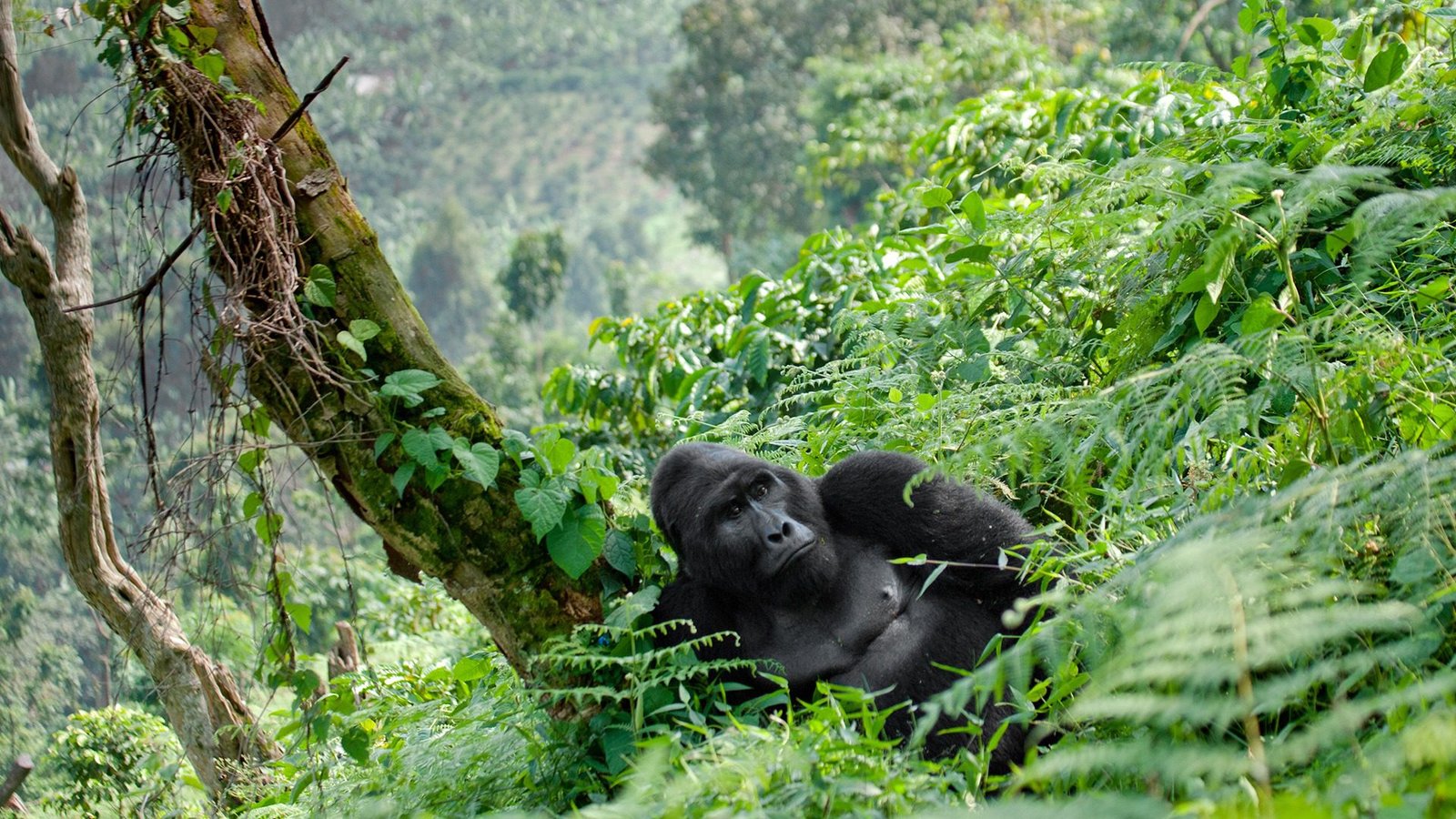
Rain does not mean gorilla trekking stops. Treks continue throughout the year, and the wetter months can provide an exceptionally beautiful forest experience. Vegetation becomes intensely green, mist settles across the hills and cloud forest, and photographers can encounter wonderfully atmospheric conditions.
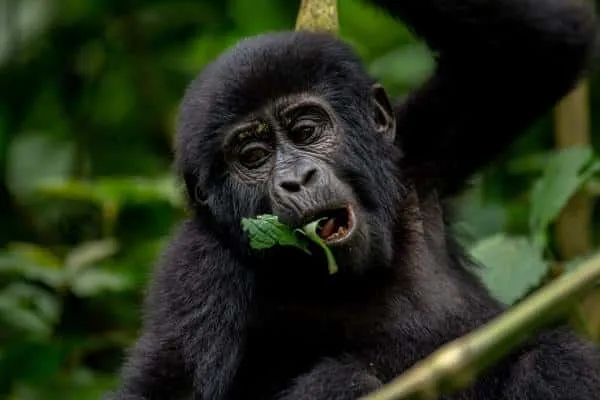
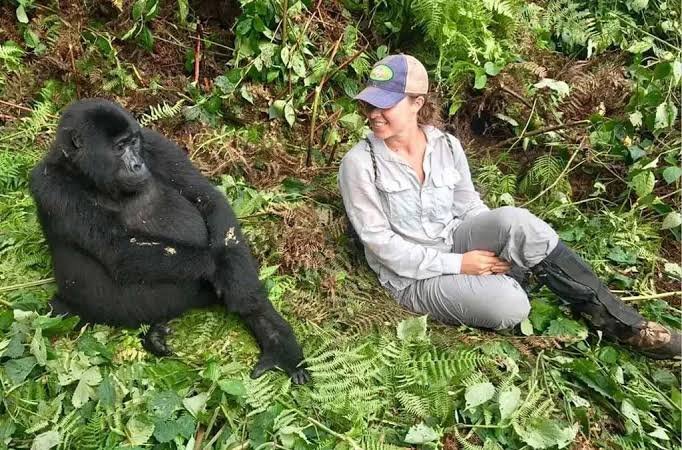
Gorilla Trekking During Uganda’s Dry Season
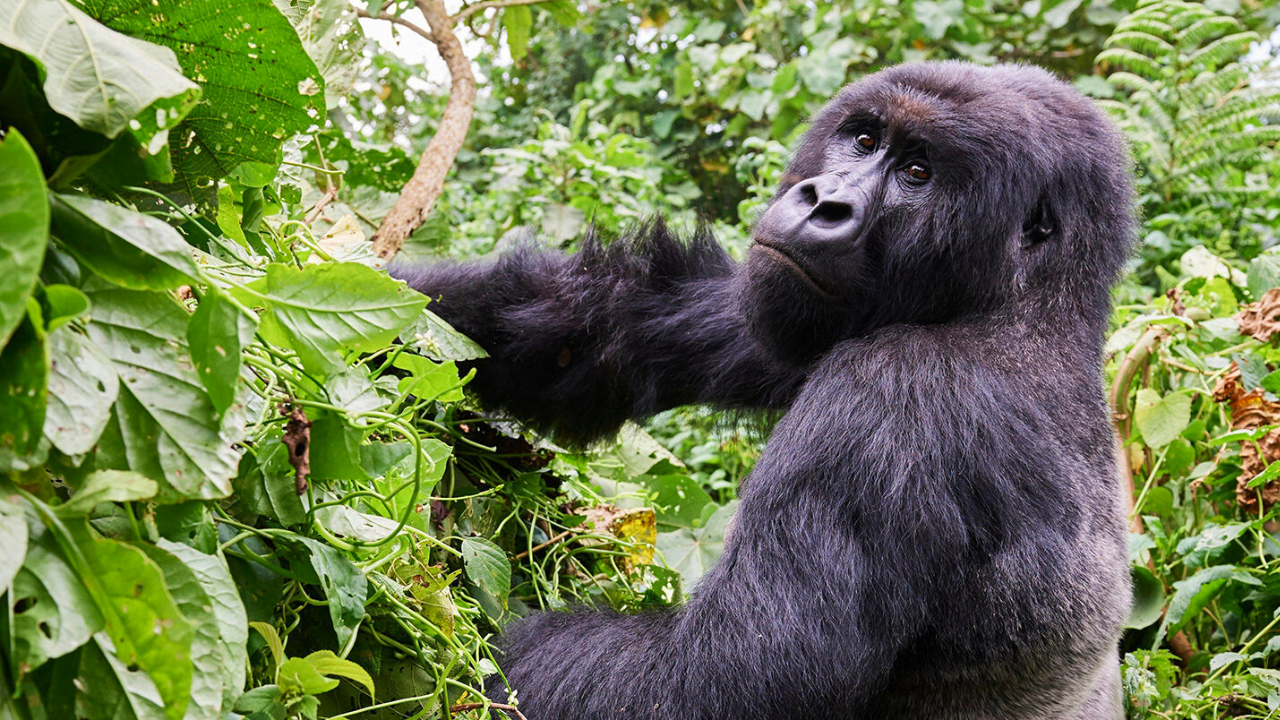
The dry season is commonly considered the best time for gorilla trekking in Uganda because it generally provides more manageable forest and road conditions.
In Bwindi, trekking trails pass through thick tropical vegetation, steep slopes, streams and uneven forest terrain. When rainfall is lower, sections of these trails may be less slippery and muddy than during prolonged wet periods. This can make the trek more comfortable, particularly for first-time hikers, older travelers and visitors concerned about physical difficulty.
The dry season is also convenient for travelers combining gorilla trekking with Queen Elizabeth National Park, Murchison Falls National Park, Lake Mburo National Park or other wildlife destinations. UWA notes that dry-season periods are favorable not only for primate tracking but also for wildlife viewing in Uganda’s savannah reserves.
However, “dry season” does not mean completely dry. Bwindi is a rainforest and Mgahinga is a high-altitude mountain environment. Rainfall can occur unexpectedly at almost any time, so travelers should always carry waterproof clothing regardless of the month they visit.
Gorilla Trekking During Uganda’s Wet Season
The wet season offers a very different but equally rewarding experience.
Rainfall typically becomes more frequent during the wetter months, causing some forest trails to become muddy and slippery. This can make trekking physically more demanding, especially when the assigned gorilla family is located deep inside the forest or on steep terrain.
For adventurous travelers, however, these conditions can actually enhance the rainforest experience. Bwindi becomes extraordinarily lush, cloud and mist often move through the forested mountains, and the entire landscape can feel more dramatic and untouched.
The wetter months may also appeal to visitors seeking quieter travel periods. Popular lodges and trekking areas can feel less busy than during peak dry-season months, allowing travelers to experience southwestern Uganda at a slower pace.
Photographers may particularly appreciate the rich green vegetation and diffused light created by cloud cover. The trade-off is that camera equipment requires greater protection against moisture and travelers should be well prepared with suitable waterproof gear.
Best Time for Gorilla Trekking in Bwindi
Bwindi Impenetrable National Park is Uganda’s principal mountain gorilla destination and can be visited throughout the year. UWA describes Bwindi as an ancient rainforest in southwestern Uganda, while official visitor information confirms that the park is open to visitors year-round.
The ideal time to visit Bwindi depends partly on the trekking sector. The park has several trekking areas, including Buhoma, Ruhija, Rushaga and Nkuringo, and elevation, road access and local terrain vary between them.
During the drier months, access roads and forest paths can generally be more comfortable. During rainy periods, some routes can become muddy, making reliable four-wheel-drive transportation particularly important.
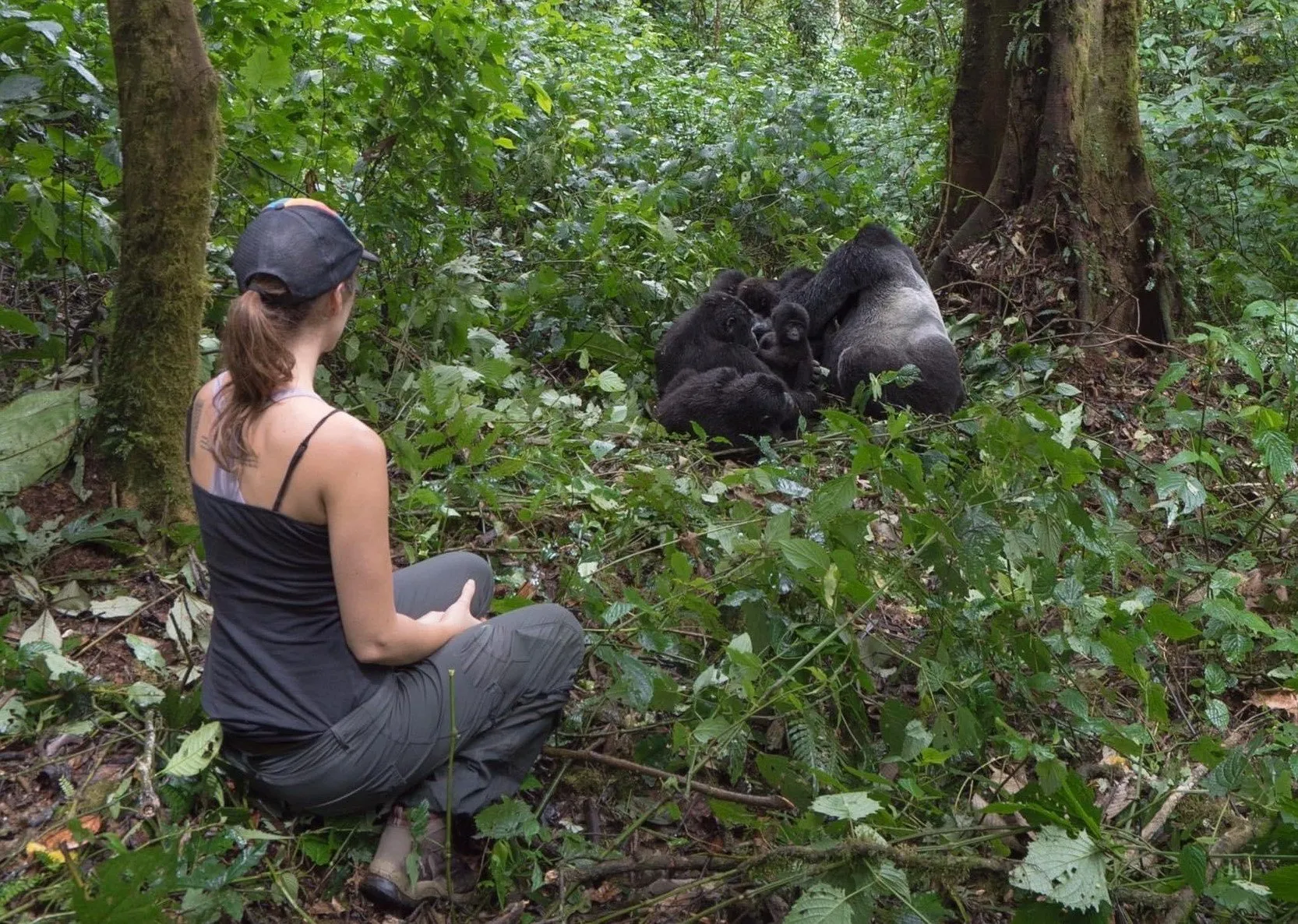
Travelers should also remember that the location of the gorillas has a greater influence on trekking difficulty than the month alone. Even during the dry season, a gorilla family may move deep into the forest, resulting in a long and challenging hike. Conversely, a trek during the rainy season may occasionally be relatively short if the assigned family is feeding closer to the starting area.
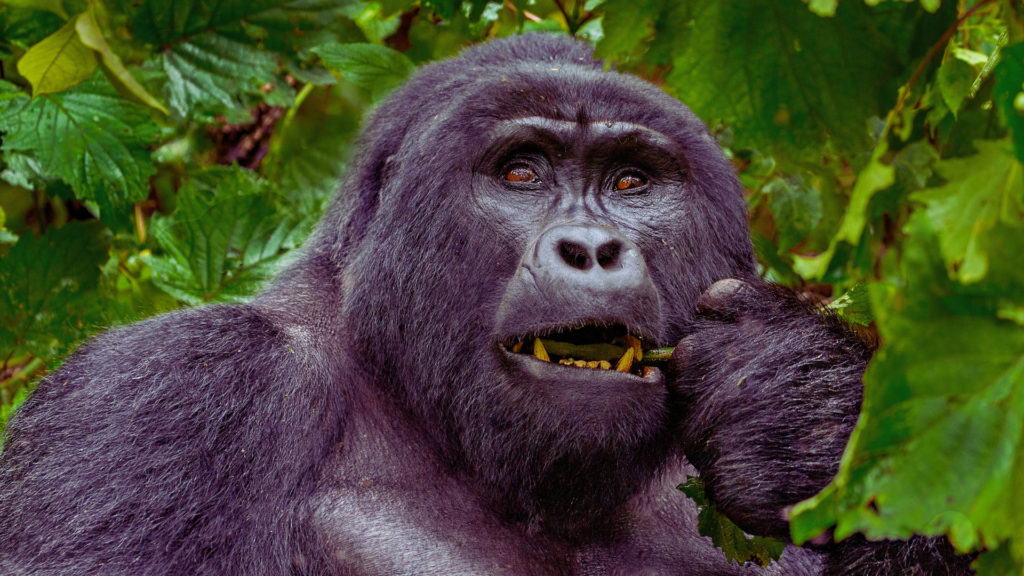
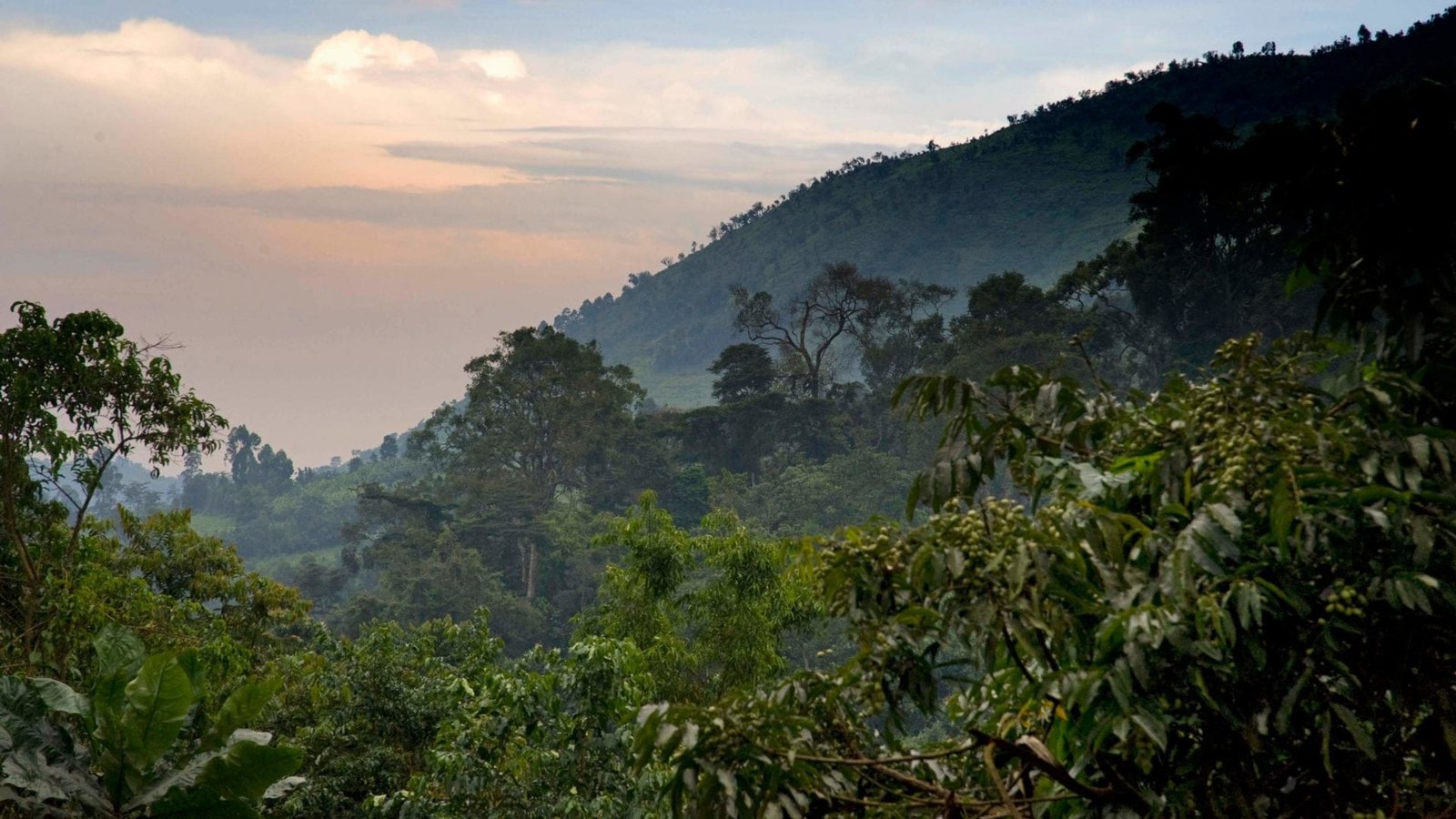
Best Time for Gorilla Trekking in Mgahinga
Mgahinga Gorilla National Park offers a different trekking environment from Bwindi. The park lies within the Virunga volcanic landscape and ranges from approximately 2,227 to 4,127 meters in elevation.
Because of this higher-altitude setting, mornings can feel cool and weather conditions can change quickly. Visitors should therefore prepare for both rain and cooler temperatures regardless of travel month.
The drier periods can be particularly appealing for travelers combining gorilla trekking with golden monkey tracking or hiking within the Virunga Mountains. Clearer conditions can also reveal impressive views of the surrounding volcanic landscape.
During wetter months, the vegetation becomes lush and atmospheric, although trails may be more demanding. Mgahinga remains a strong year-round alternative for travelers interested in combining mountain gorillas with volcano scenery and other primate experiences.
Month-by-Month Guide to Gorilla Trekking in Uganda
Gorilla Trekking in Uganda in January
January is one of the strongest months for travelers looking for relatively dry trekking conditions. It falls within the shorter dry-season period and is therefore popular for both gorilla trekking and broader Uganda safaris.
Forest trails may be more manageable than during the main rainy periods, although rain is always possible in Bwindi and Mgahinga. January is particularly suitable for travelers combining gorillas with wildlife viewing in Queen Elizabeth National Park or other savannah destinations.
Because the month falls within a popular travel period, early permit and accommodation planning is recommended.
Gorilla Trekking in Uganda in February
February is another excellent month for gorilla trekking in Uganda. Conditions are often relatively dry, making it attractive to travelers concerned about muddy forest trails.
The month works particularly well for combining gorillas with chimpanzee tracking and traditional wildlife safaris. Temperatures in the highlands remain moderated by altitude, meaning the forest trekking environment can still feel cool during mornings and evenings.
Towards the end of February, weather patterns may begin shifting as Uganda approaches the wetter period, but trekking remains fully possible.
Gorilla Trekking in Uganda in March
March often marks the transition toward wetter conditions. Rainfall can become more frequent, particularly later in the month.
For travelers who do not mind trekking in wetter conditions, March can be a beautiful time to experience Bwindi. Increased rainfall supports lush vegetation and atmospheric rainforest scenery.
Trekkers should arrive prepared with waterproof jackets, strong hiking footwear, gloves and appropriate protection for cameras and electronic equipment.
March can be particularly rewarding for flexible travelers who prioritize forest atmosphere over perfectly dry trails.
Gorilla Trekking in Uganda in April
April is generally one of the wetter months in southwestern Uganda. Travelers should expect a greater possibility of rainfall, muddy paths and slippery sections of forest.
This does not make April unsuitable for gorilla trekking. In fact, visitors willing to accept changing weather conditions can enjoy exceptionally green landscapes and a quieter atmosphere.
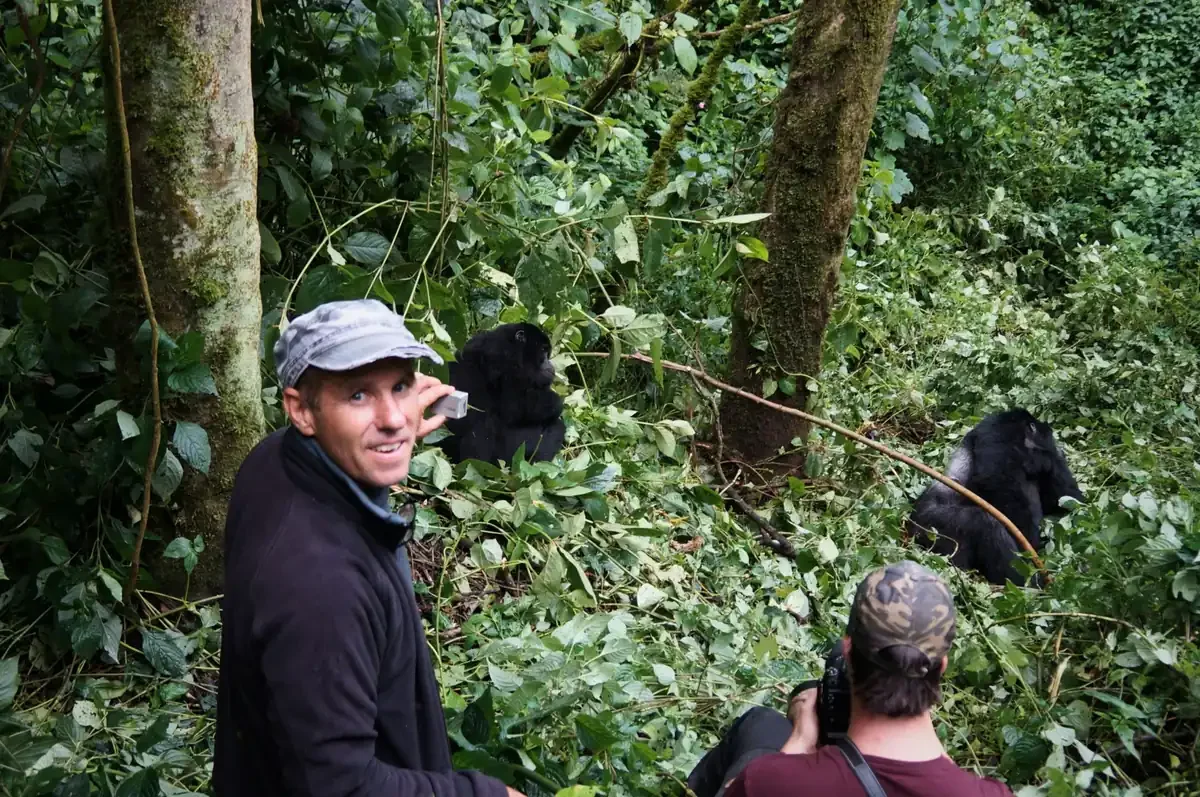
Hiring a porter becomes especially valuable in wet conditions because porters can assist with bags and provide support on difficult sections of the trail.
For photographers, mist, moisture and saturated vegetation can create some of the most dramatic rainforest images of the year.
Gorilla Trekking in Uganda in May
May remains part of the wetter period but can become increasingly attractive as conditions gradually transition toward the longer dry season.
The forests remain extremely green, creating beautiful conditions around Bwindi and Mgahinga. Visitor numbers may also be lower than during June, July and August.
Travelers who value quieter trips and can handle muddy conditions may find May particularly rewarding.
Good waterproof hiking boots and rain protection remain essential.
Gorilla Trekking in Uganda in June
June marks the beginning of one of the most popular periods for gorilla trekking in Uganda.
Rainfall generally becomes less frequent, trails may become easier to navigate and conditions improve for road travel across southwestern Uganda. UWA identifies June to August among the favorable dry-season periods for primate tracking.
June is particularly suitable for travelers planning longer safaris that combine Bwindi with Queen Elizabeth National Park, Kibale National Park and other wildlife destinations.
Because demand increases considerably during this period, securing gorilla permits and preferred lodges well in advance is advisable.
Gorilla Trekking in Uganda in July
July is one of the most popular months for gorilla trekking.
The relatively dry weather creates favorable hiking conditions and makes it easier to combine gorilla trekking with game drives and other outdoor safari activities.
However, popularity also means increased demand for permits, private vehicles and high-quality accommodation, particularly around Buhoma, Rushaga and Nkuringo.
Travelers planning July trips should organize the gorilla permit before finalizing non-refundable accommodation arrangements.
Despite being considered dry season, trekkers should still carry rain protection because Bwindi’s rainforest climate remains unpredictable.
Gorilla Trekking in Uganda in August
August continues the favorable conditions associated with the longer dry season.
It is an excellent month for travelers interested in combining mountain gorillas with chimpanzees, game drives and boat safaris. Road transfers are generally more comfortable than during prolonged wet periods, although individual conditions vary.
August is especially popular with families and international travelers because it overlaps with summer holidays in many countries.
This popularity makes early planning important. Permits and preferred lodges can become limited, especially when travelers require a particular Bwindi sector.
Gorilla Trekking in Uganda in September
September is a transitional month and can offer a good balance between favorable trekking conditions and changing visitor patterns.
Early September may still resemble the dry-season months, while rainfall can increase as the month progresses.
The forest begins becoming increasingly lush, producing excellent photography opportunities. Travelers who want a compromise between peak-season conditions and the approaching wetter period may find September particularly attractive.
As always, weather varies from year to year, so travelers should prepare for both sunshine and rainfall.
Gorilla Trekking in Uganda in October
October generally falls within a wetter period in southwestern Uganda.
Forest trails can become muddy, making waterproof hiking shoes and suitable clothing important. Yet October remains a rewarding month for dedicated wildlife travelers.
Bwindi’s vegetation becomes intensely green, mist can hang dramatically over the forested hills, and the rainforest environment can feel particularly immersive.
October can therefore be excellent for photographers, repeat Africa travelers and visitors who are comfortable prioritizing atmosphere over dry trekking conditions.
Gorilla Trekking in Uganda in November
November is generally another wetter month, although rainfall patterns can vary considerably.
The major advantage of traveling at this time is the combination of lush scenery and potentially quieter trekking areas. Visitors who appreciate slower travel and fewer peak-season crowds may find November appealing.
Good rain protection is essential, and flexibility should be built into road-transfer planning.
For travelers combining gorillas with photography or birding, the green landscapes can make November particularly rewarding.
Gorilla Trekking in Uganda in December
December introduces another popular period for gorilla trekking in Uganda, with generally improving conditions as the shorter dry season develops.
The Christmas and New Year holiday period can be busy, so permits and accommodation should be secured well ahead of travel dates.
December is excellent for travelers planning a broader Uganda safari because gorilla trekking can be combined with chimpanzees, wildlife viewing, boat cruises and other activities.
Early December may sometimes experience more transitional conditions, while later periods can provide increasingly favorable trekking weather.
Best Time for Gorilla Trekking for Photography
The best time for gorilla photography is not necessarily identical to the driest trekking period.
Dry-season months can make carrying expensive equipment easier because there is a lower likelihood of prolonged rainfall. However, strong sunlight filtering through openings in the forest canopy can create difficult contrasts between highlights and shadows.
Wetter or cloudy days often create softer, more evenly distributed light. The forest also becomes intensely green, producing attractive backgrounds for gorilla portraits.
Travelers focused on photography should therefore consider March, May, September, October or November rather than automatically avoiding the wetter seasons.
Regardless of the month, cameras and lenses should be protected against moisture because Bwindi and Mgahinga remain humid mountain environments.
Best Time for Gorilla Trekking for Seniors
For older travelers or anyone concerned about trekking difficulty, the relatively drier months can be preferable.
June through August and December through February generally offer a better chance of encountering firmer trails. However, there is never a guarantee that a trek will be easy because gorillas determine the length and direction of the day’s hike through their natural movements.
Hiring a porter is strongly recommended. Travelers with mobility concerns should also discuss their requirements before the safari so appropriate assistance and lodging arrangements can be considered.
Choosing comfortable accommodation near the correct trekking briefing point also reduces unnecessary early-morning driving.
Best Time for a Luxury Gorilla Safari
Luxury gorilla travelers can visit throughout the year, but June to September and December to February are particularly popular because they combine favorable trekking conditions with excellent possibilities for wider Uganda safari itineraries.
These months are ideal for private fly-in journeys, high-end lodge stays and combinations involving Bwindi, Queen Elizabeth National Park and Kibale National Park.
Travelers seeking greater privacy may instead prefer shoulder or wetter months, when certain destinations can feel quieter.
A luxury gorilla safari should therefore be planned around the experience desired rather than simply choosing the driest month.
Best Time for Budget Gorilla Trekking in Uganda
Travelers focused on value should consider traveling outside the busiest months.
Accommodation demand can be lower during wetter periods, and visitors may find greater flexibility with certain safari arrangements. However, pricing varies by lodge, operator, transport arrangements and official permit policies.
Budget travelers should not choose a month based only on the cheapest accommodation rate. Road conditions, transfer distances, permit availability and itinerary design can have a much larger effect on the overall cost.
A well-planned shorter itinerary from Kigali, for example, may sometimes reduce transport costs compared with a longer road journey from central Uganda.
Best Time to Combine Gorilla Trekking With a Wildlife Safari
Travelers wanting both mountain gorillas and traditional African wildlife often benefit from the dry-season periods.
June through September and December through February make it easier to combine gorilla trekking with destinations such as Queen Elizabeth National Park, Lake Mburo National Park and Murchison Falls National Park.
UWA specifically notes that the dry season is favorable for both primate tracking and wildlife viewing in Uganda’s savannah reserves.
A classic itinerary can therefore combine gorilla trekking in Bwindi, chimpanzee tracking in Kibale, game drives in Queen Elizabeth National Park and a Kazinga Channel boat safari within the same journey.
Travelers visiting during wetter months can still undertake the same itinerary, although greater flexibility may be required for road travel and outdoor activities.
Does Rain Stop Gorilla Trekking in Uganda?
Rain normally does not automatically cancel a gorilla trek.
Bwindi is a rainforest, and rainfall forms a natural part of the environment throughout the year. Official UWA information confirms that Bwindi can be visited at any time of year.
Trekkers should therefore expect changing weather and prepare accordingly.
A quality waterproof jacket, sturdy hiking boots, long trousers, gloves and waterproof protection for cameras are important regardless of travel season.
The advantage of this year-round accessibility is that travelers do not need to restrict their gorilla safari to only a few months of the year.
Dry Season vs Rainy Season for Gorilla Trekking
For travelers who prioritize easier walking conditions, comfortable road transfers and combining gorillas with wildlife safaris, the dry season is usually the better choice.
For travelers who prioritize lush scenery, atmospheric photography, fewer visitors and a more dramatic rainforest environment, the wetter months can be highly rewarding.
Neither period guarantees an easy or difficult trek.
Mountain gorillas move naturally throughout the forest, and their location on the trekking day ultimately determines how far visitors need to walk.
This is why the best time for gorilla trekking in Uganda should be selected according to individual travel priorities rather than weather alone.
How Far in Advance Should You Book?
Travelers planning to visit during June, July, August, September, December, January or February should arrange their gorilla trek as early as practical.
The number of trekking permits is controlled, and specific Bwindi sectors can become difficult to secure during popular travel periods.
Booking early is especially important when traveling as a family, private group or larger party because everyone needs permits for the same location and date.
Early planning also makes it easier to match the correct lodge with the trekking sector. Staying in the wrong part of Bwindi can create unnecessarily long transfers on the morning of the trek.
During wetter and shoulder-season months, travelers may have more flexibility, but permits should still be confirmed before the entire itinerary is built around a particular trekking date.
Choosing Your Best Month for Gorilla Trekking in Uganda
There is no single month that is perfect for every traveler.
Choose June, July or August if your main priority is relatively dry conditions, easy combination with wildlife safaris and traditional peak-season travel.
Choose December, January or February if you want another generally favorable trekking period and an excellent winter escape from Europe or North America.
Choose March, April or May if you appreciate lush rainforest scenery, are comfortable trekking in wetter conditions and prefer quieter travel periods.
Choose September, October or November if you want atmospheric green landscapes and are willing to accept a greater possibility of rainfall.
Ultimately, the best month depends on your fitness, photography interests, budget, accommodation preferences, overall safari itinerary and tolerance for rain.
Why Gorilla Trekking Is a Year-Round Experience in Uganda
One of the greatest advantages of Uganda is that mountain gorilla trekking is not limited to a short annual season.
Bwindi Impenetrable National Park protects a vast mountain rainforest ecosystem in southwestern Uganda, while Mgahinga protects mountain gorillas within the dramatic Virunga volcanic landscape. Uganda Wildlife Authority recognizes both as key mountain gorilla habitats, and official visitor information allows trekking throughout the year.
This year-round accessibility gives travelers enormous flexibility.
A honeymoon couple may prefer the popular dry season. A photographer may intentionally choose a misty wet-season month. A senior traveler may prioritize firmer trails. A returning Africa traveler may choose November specifically because it feels quieter.
The important question is therefore not simply whether one month is “good” or “bad.” It is which month best matches the experience you personally want.
Planning Your Gorilla Trekking Safari Around the Seasons
When selecting the best time for gorilla trekking in Uganda, begin with your preferred travel period and confirm gorilla permit availability before building the rest of the itinerary.
Next, decide whether you want to trek in Bwindi or Mgahinga. Travelers choosing Bwindi should also identify the appropriate sector because Buhoma, Ruhija, Rushaga and Nkuringo require different accommodation and road arrangements.
Consider the rest of your safari as well. If your trip includes chimpanzee trekking, game drives and boat safaris, dry-season months can provide an excellent overall balance. If mountain gorillas are the primary purpose of your journey, almost any month can work when you are properly prepared.
Your clothing and equipment should always account for rain, even during the driest periods. Bwindi’s rainforest conditions and Mgahinga’s mountain environment can change quickly.
Most importantly, do not postpone a dream gorilla trek simply because your available travel dates fall within a wetter month. Uganda’s mountain gorillas remain in their forest home throughout the year, and every season reveals a different side of this remarkable environment.
What Is Ultimately the Best Time for Gorilla Trekking in Uganda?
For the majority of travelers, June to September and December to February provide the best overall conditions for gorilla trekking in Uganda, particularly when easier trails, road travel and wider wildlife safari combinations are priorities.
For photographers, quieter travelers and visitors comfortable with rain, March to May and October to November can be equally rewarding for different reasons.
The most important consideration is to choose dates that work for your personal travel plans, secure the correct gorilla permit, stay close to your assigned trekking sector and arrive properly prepared for changing mountain weather.
Whether you trek beneath clear skies during July or through a mist-covered rainforest in November, standing quietly in the forest while a mountain gorilla family feeds only a short distance away remains one of the most extraordinary wildlife encounters Uganda can offer.
Plan Your Gorilla Trekking Safari in Uganda
Tell us your preferred travel dates and we will help you plan the right gorilla trekking experience in Bwindi or Mgahinga, including permits, accommodation, transport and additional safari activities.
Request a Trip