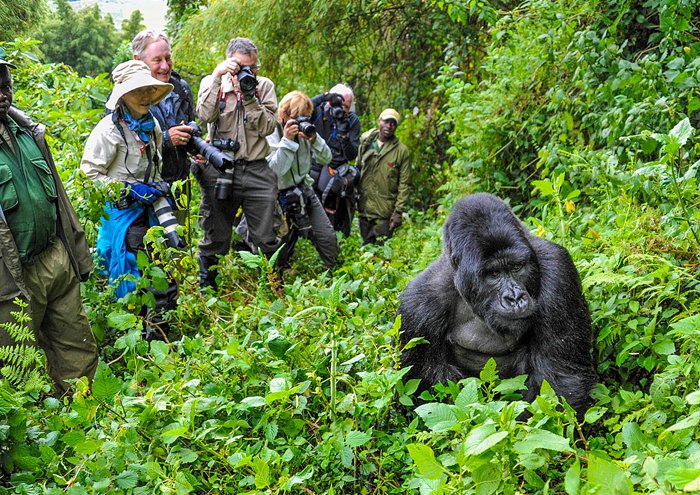
Gorilla Trekking for Photographers in Uganda offers one of Africa’s most rewarding wildlife photography experiences, combining intimate mountain gorilla encounters with the dramatic rainforest scenery of Bwindi Impenetrable Forest National Park and Mgahinga Gorilla National Park. For photographers, the experience is about much more than seeing gorillas. It is about capturing expressions, movement, family interactions, silverbacks, playful juveniles and the extraordinary relationship between mountain gorillas and their forest environment.
Uganda is particularly attractive to wildlife photographers because gorilla trekking can be incorporated into private, highly customized safari itineraries. Photographers can plan multiple gorilla treks, combine standard trekking with gorilla habituation experiences, travel with private safari guides and continue to other wildlife destinations for chimpanzee, bird and big-game photography. This flexibility makes Uganda suitable for professional photographers, serious enthusiasts and travelers who simply want much better photographs from an unforgettable gorilla encounter.
Planning Gorilla Trekking for Photographers in Uganda requires more preparation than a normal sightseeing safari. Rainforest lighting can change rapidly, vegetation can affect visibility and mountain gorillas rarely remain perfectly positioned for photographs. The right camera equipment, clothing, trekking preparation and itinerary design can make an enormous difference. Mountain Gorillas Uganda helps photographers build safari experiences around these practical requirements while ensuring that wildlife rules and conservation guidelines remain at the center of every encounter.
Why Uganda Is Exceptional Gorilla Trekking for Photographers in Uganda
Uganda provides photographers with access to mountain gorillas in spectacular natural rainforest environments. Bwindi Impenetrable Forest National Park is characterized by thick vegetation, steep forest landscapes, enormous biodiversity and atmospheric light that can produce exceptionally dramatic photographs. The forest itself becomes an important part of the composition, allowing photographers to capture gorillas surrounded by leaves, vines, mist and the deep greens associated with Uganda’s ancient tropical forests.
Mgahinga Gorilla National Park offers a different visual environment. Its position within the Virunga landscape creates opportunities to photograph wildlife against bamboo forests, volcanic scenery and mountainous terrain. For photographers building a wider portfolio of Uganda, Mgahinga can also be combined with golden monkey experiences and landscape photography.
Another major advantage of Gorilla Trekking for Photographers in Uganda is itinerary flexibility. Rather than treating the gorilla trek as a single activity inside a rushed itinerary, photographers can dedicate several days to the gorilla region. Multiple trekking opportunities can provide different lighting conditions, different gorilla families and completely different photographic moments. No two gorilla encounters are identical, which makes repeat trekking particularly valuable for photographers.
Bwindi Impenetrable Forest for Gorilla Photography
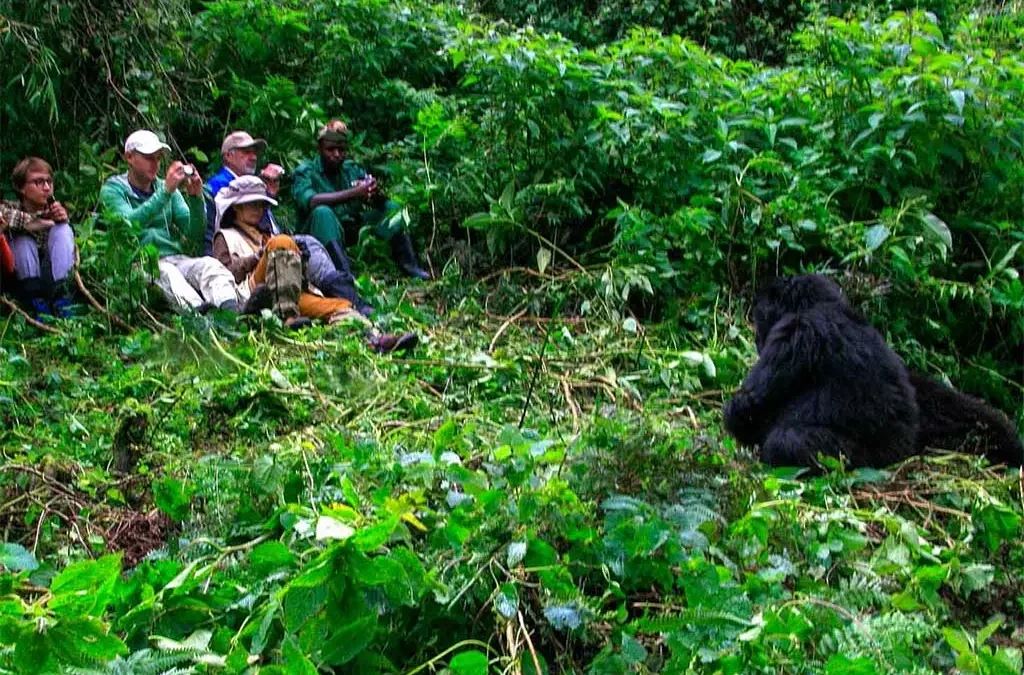
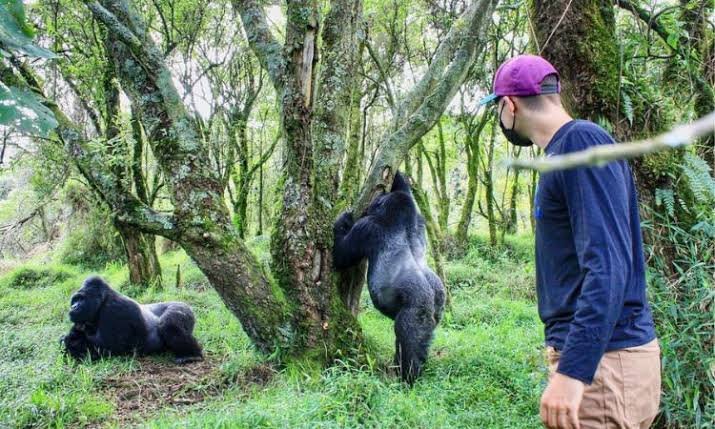
Bwindi Impenetrable Forest National Park is the principal destination for travelers planning a gorilla photography safari in Uganda. Its dense rainforest supports numerous habituated mountain gorilla families and provides a remarkably natural setting for wildlife photography. Photographers may encounter gorillas resting among vegetation, feeding, climbing, grooming or interacting within family groups, creating an enormous variety of potential compositions.
Photography in Bwindi is both exciting and technically demanding. The thick canopy frequently produces low-light conditions, while patches of sunlight can create strong differences between highlights and shadows. A gorilla may move from deep shade into brighter forest light within seconds. Photographers therefore need equipment and camera settings that allow them to react quickly rather than spending valuable viewing time making complicated adjustments.
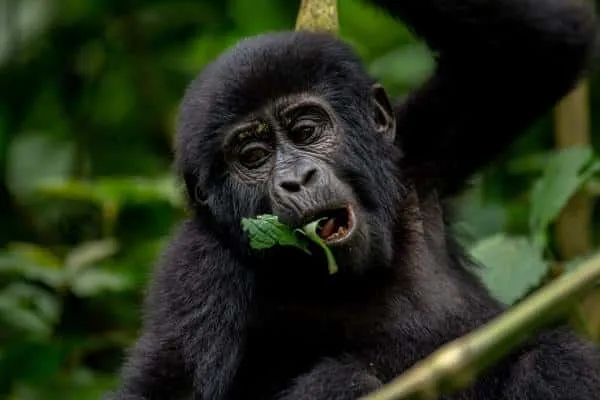
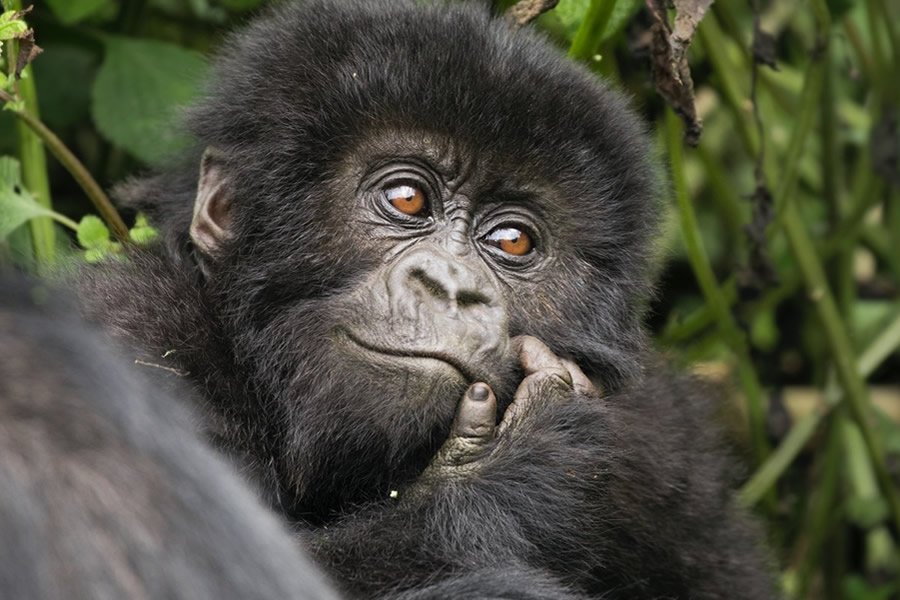
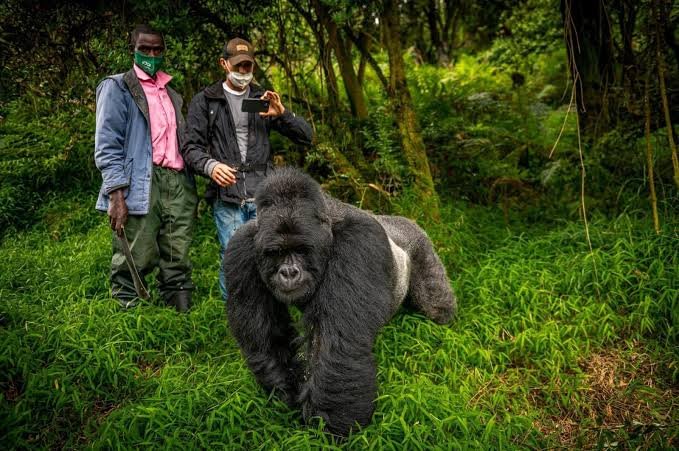
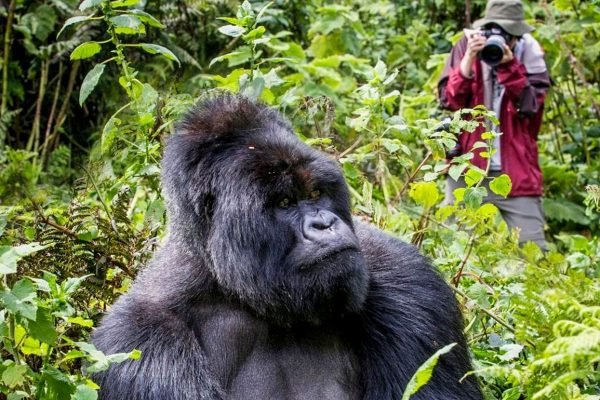
The photographic rewards can be extraordinary. Silverbacks provide powerful portrait opportunities, while young gorillas can produce expressive action photographs as they climb, play and interact. Mothers carrying infants can create some of the most memorable images of the entire safari. Instead of focusing only on close portraits, photographers should also look for wider compositions showing the gorillas within Bwindi’s remarkable rainforest environment.

Mgahinga Gorilla National Park for Photographers
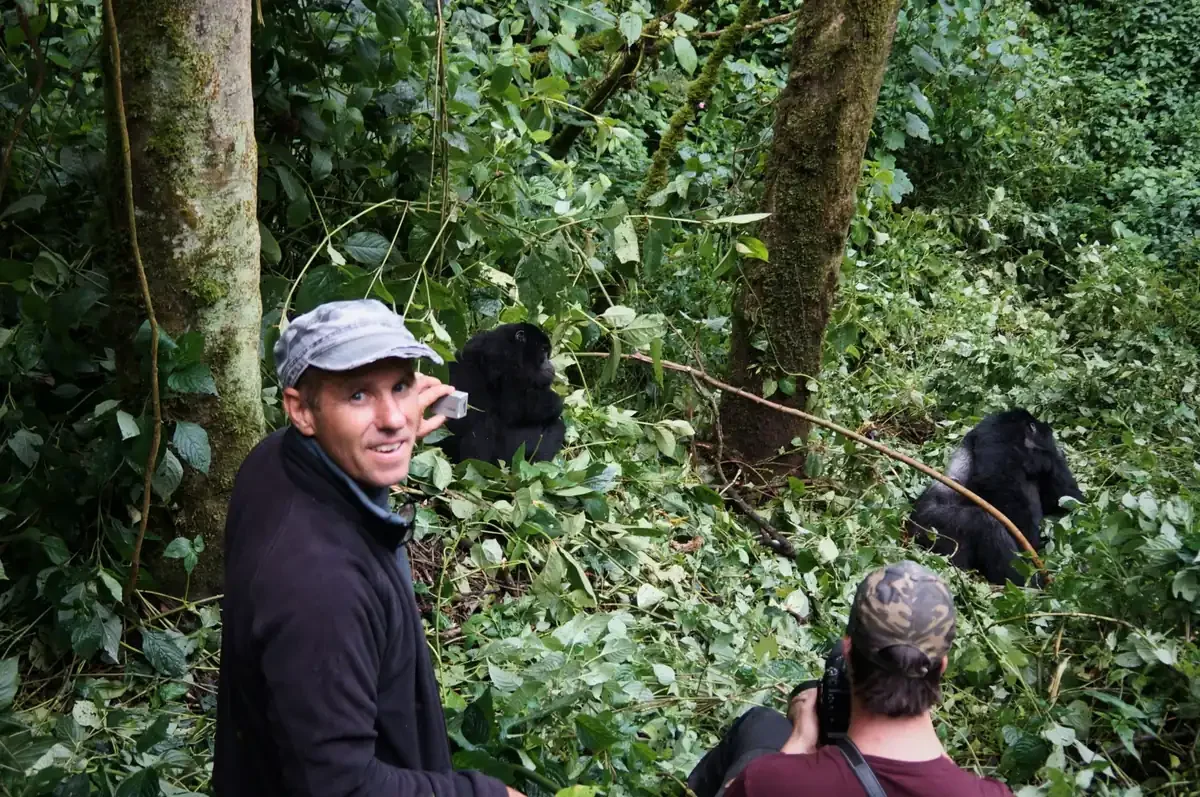
Mgahinga Gorilla National Park offers another excellent option for Gorilla Trekking for Photographers in Uganda. Although smaller than Bwindi, the park provides beautiful scenery and a distinctive atmosphere created by the Virunga volcanoes. Its bamboo zones and montane vegetation can produce photographic backgrounds that are noticeably different from the dense rainforest compositions commonly associated with Bwindi.
Photographers interested in creating a broader visual story can particularly appreciate Mgahinga. The landscape, mountain environment and opportunities for additional primate experiences make it possible to build an itinerary combining gorillas with golden monkeys and scenic photography. Weather conditions can change quickly, providing everything from dramatic mist to beautifully filtered sunlight.
Choosing between Bwindi and Mgahinga does not need to be based purely on which park is considered “better.” A photography-focused safari should consider permit availability, travel dates, itinerary length and the wider photographic objectives of the traveler. For some photographers, Bwindi will be the priority, while others may appreciate incorporating Mgahinga into a longer Uganda photography adventure.
What Makes Gorilla Photography Challenging?
Mountain gorilla photography is very different from photographing wildlife on an open savannah. Gorillas live in forests where vegetation can obscure subjects and light levels can be much lower than expected. A photographer may have only a small opening through leaves to photograph a gorilla’s face, while another individual may suddenly move into a better position only seconds later.
The gorillas themselves determine the encounter. They may be active, resting, feeding or moving through the vegetation. Photographers cannot control their positions and must avoid disturbing them merely to obtain a photograph. This makes patience an essential part of successful gorilla photography.
Rain, humidity and mud can create additional challenges. Equipment needs to remain protected while still being easily accessible. Because the gorilla viewing period is valuable, photographers should know their cameras well before beginning the trek. Understanding autofocus controls, exposure compensation, ISO adjustment and shutter speed in advance allows more attention to be given to the animals rather than to the camera menu.
Safari Packages
Gorilla Trekking for Photographers in Uganda
3 Days Uganda Gorilla Photography Safari
This short photography safari is ideal for travelers who want to focus primarily on photographing mountain gorillas in Uganda. The itinerary includes private transportation, comfortable accommodation and a dedicated gorilla trekking day with opportunities to capture portraits, family interactions and rainforest scenery.
Request This Safari
5 Days Private Gorilla Photography Safari
Designed for serious photographers, this private safari provides more time in Uganda’s gorilla region and can include additional trekking opportunities. Private transport gives photographers flexibility with equipment, accommodation and the overall pace of the journey.
Request This Safari
7 Days Gorilla, Chimpanzee & Wildlife Photography Safari
This extended photography safari combines mountain gorillas with chimpanzees and other Uganda wildlife experiences. It is ideal for photographers who want a broader portfolio featuring primates, forest environments, landscapes and classic African wildlife within one customized journey.
Request This SafariBest Camera for Gorilla Trekking in Uganda- Gorilla Trekking for Photographers in Uganda
There is no single camera that every photographer must use for gorilla trekking. Modern DSLR and mirrorless cameras can both perform extremely well. More important is choosing equipment that handles low light efficiently, focuses quickly and can be carried comfortably through forest terrain.
A camera with good high-ISO performance is particularly valuable because rainforest conditions often require photographers to increase sensitivity while maintaining a sufficiently fast shutter speed. Effective autofocus is also important when photographing young gorillas, moving individuals or brief moments of interaction between family members.
Photographers should avoid carrying unnecessary equipment. A technically excellent camera is of little benefit if the complete setup becomes exhausting during a long forest trek. Gorilla Trekking for Photographers in Uganda is usually best approached with reliable equipment that the photographer already understands well rather than an excessively complicated collection of unfamiliar cameras and accessories.
Best Lenses for Mountain Gorilla Photography
A medium telephoto zoom is one of the most practical lens choices for gorilla photography because it allows photographers to adjust compositions without constantly changing lenses. Gorilla encounters can vary considerably in distance and positioning, making zoom flexibility extremely useful.
Shorter focal lengths can also be valuable when gorillas are relatively close or when photographers want to include more of the surrounding rainforest. Wider environmental photographs can tell a stronger story than a collection consisting exclusively of tight portraits. They show the scale, vegetation and atmosphere of the mountain gorillas’ habitat.
Very long wildlife lenses may occasionally be useful, but they can also become heavy and restrictive in thick forest environments. Photographers planning Gorilla Trekking for Photographers in Uganda should therefore think carefully about weight, flexibility and low-light performance rather than simply choosing the longest available lens.
Camera Settings for Gorilla Photography
Gorilla photography usually requires photographers to react rapidly to changing light and movement. Aperture-priority mode can work well for experienced photographers who want to control depth of field while allowing the camera to adjust shutter speed. Manual exposure with automatic ISO is another useful approach when consistent control over shutter speed and aperture is important.
Faster shutter speeds are especially useful when photographing moving juveniles or interaction between gorillas. Slower shutter speeds may work when a silverback or adult gorilla remains still, but even subtle movement can reduce image sharpness. Photographers should therefore continuously evaluate their shutter speed instead of assuming that resting animals will remain completely motionless.
Autofocus should normally be directed toward the gorilla’s eyes whenever possible. Eye focus has a major influence on the emotional strength of wildlife portraits. Burst shooting can help capture short expressions or movements, although photographers should remain selective rather than spending the entire encounter continuously shooting.
Photographing Gorillas in Low Forest Light
Low light is one of the defining challenges of Gorilla Trekking for Photographers in Uganda. Bwindi and Mgahinga forests can be dark even during the middle of the day because the canopy blocks much of the available sunlight.
Photographers should be comfortable increasing ISO when required. A slightly grainier but sharp image is usually preferable to a cleaner image ruined by movement blur. Modern cameras can perform remarkably well at higher ISO settings, particularly when photographs are exposed correctly.
A lens with a relatively wide maximum aperture can also help gather more light and isolate a gorilla from a complicated forest background. However, extremely shallow depth of field should be used carefully because the eyes and important facial details need to remain sharp.
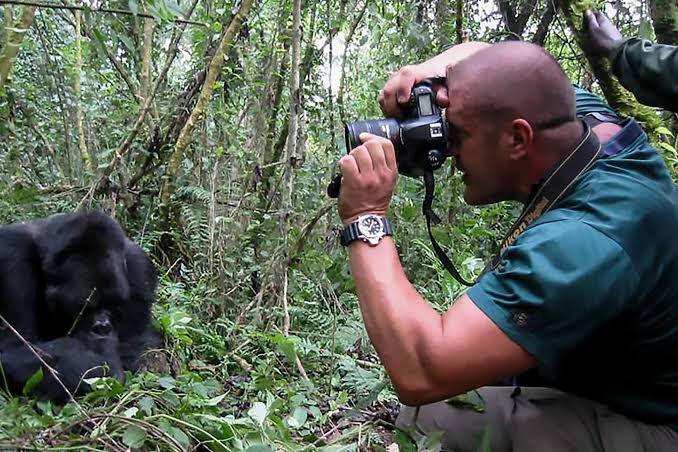


Gorilla Photography Rules and Responsible Photography
Every photographer must remember that the welfare of the mountain gorillas comes before obtaining a photograph. Gorilla trekking operates under conservation guidelines designed to protect both visitors and gorillas, and instructions provided by ranger guides must always be followed.
Flash photography is not permitted during gorilla encounters. Photographers should therefore prepare their cameras for natural-light photography before the trek. This is another reason good low-light camera performance and appropriate lenses are valuable.
Photographers should also avoid attempting to change a gorilla’s behavior for a photograph. Calling animals, moving too close or deliberately disturbing vegetation without guidance can interfere with the experience and wildlife. Responsible Gorilla Trekking for Photographers in Uganda means observing natural behavior and allowing the images to develop from the genuine encounter.
Best Time for Gorilla Photography in Uganda
Mountain gorilla photography is possible throughout the year. The drier periods are often attractive to photographers because forest trails can be easier to navigate and equipment may be simpler to manage. These periods are particularly useful for travelers carrying valuable cameras, lenses and supporting equipment through uneven terrain.
Rainier periods should not automatically be dismissed. The forests can become exceptionally green and atmospheric, while mist and moisture can create beautiful photographic conditions. Softer light can also be flattering for gorilla portraits because it reduces harsh contrasts on dark fur.
The best time therefore depends partly on the photographic style desired. Travelers prioritizing relatively comfortable trekking conditions may prefer the drier months, while photographers attracted to dramatic rainforest atmosphere may appreciate the possibilities available during wetter periods.
Private Gorilla Trekking for Photographers
Private safari arrangements can significantly improve the overall experience for photographers even though the actual gorilla trekking group is governed by park procedures. Having private transportation and a dedicated safari guide outside the trek allows the rest of the itinerary to move according to the photographer’s requirements.
A private safari makes it easier to protect equipment, organize luggage, choose appropriate accommodation and plan departure times without depending on a larger tour group. Photographers can also add additional trekking days or other wildlife destinations without being restricted by a fixed group itinerary.
For professionals carrying expensive equipment, private transportation can be particularly useful because camera bags can remain organized and carefully handled throughout the journey. Mountain Gorillas Uganda can customize private photography safaris around trekking dates and the wider photographic objectives of each traveler.
One Gorilla Trek or Multiple Gorilla Treks?
For travelers primarily interested in seeing mountain gorillas, one trek may be sufficient. For dedicated photographers, however, multiple treks can be extremely valuable.
Every encounter is different. On one trek, gorillas may spend substantial time resting in dense vegetation. On another, photographers may experience excellent visibility, active juveniles or beautiful natural light. Booking more than one trek increases the range of photographic situations available and reduces the pressure to capture every desired image during a single encounter.
Multiple treks also allow photographers to refine their technique. Lessons learned during the first experience such as lens selection, camera settings or equipment organization can be immediately applied during the next trek.
Gorilla Habituation Experience for Photographers
Photographers seeking an even more immersive gorilla experience may consider including gorilla habituation in their safari plan where available. The habituation experience differs from standard gorilla trekking because visitors accompany researchers and trackers during the process of familiarizing gorillas with carefully managed human presence.
For photography enthusiasts, the additional time associated with the experience can provide opportunities to observe a wider variety of behaviors. However, photographers should understand that habituation involves gorillas that are still becoming accustomed to people, and photographic conditions are not guaranteed to be easier.
This experience is best approached as a conservation-focused encounter that happens to provide excellent photographic possibilities rather than simply as a longer photo session.
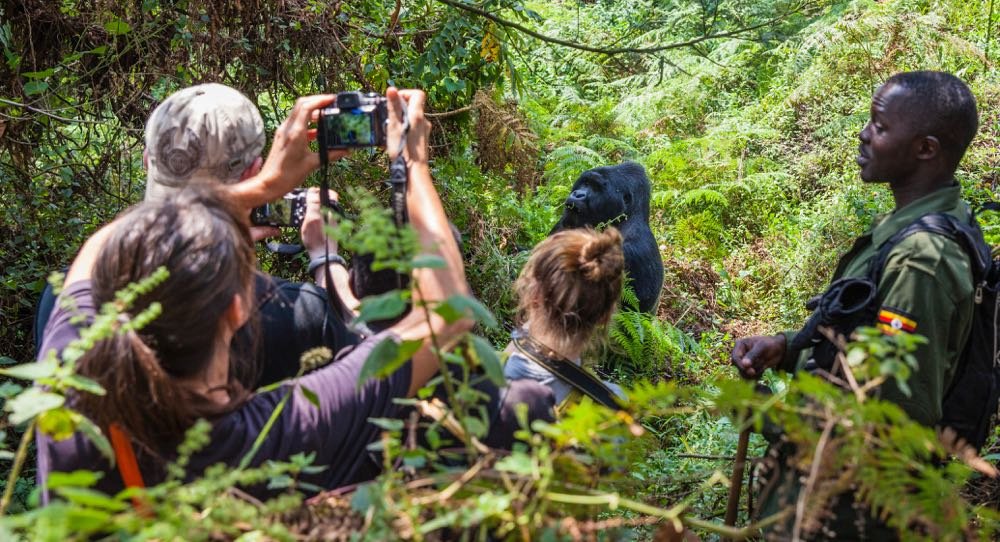
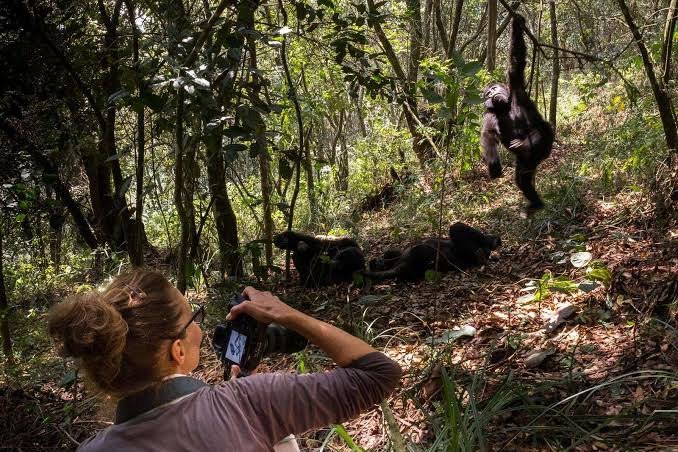
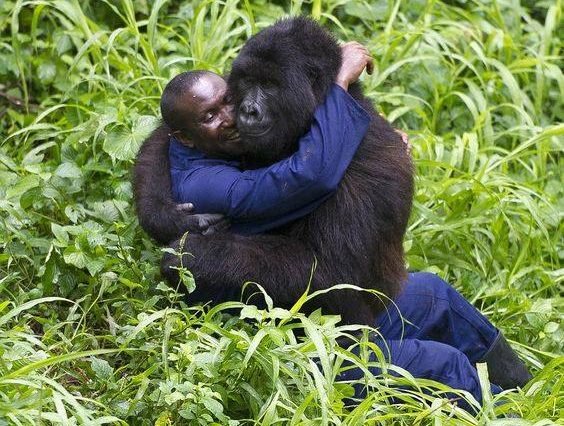
What to Pack for a Gorilla Photography Safari
Photographers need to balance photographic equipment with practical trekking gear. Camera bodies, suitable lenses, spare batteries and sufficient memory cards are important, but waterproof protection for equipment is equally valuable.
A comfortable camera backpack should protect equipment while leaving the photographer’s hands free during difficult sections of the trek. Waterproof hiking boots, long trousers, long-sleeved clothing, gardening-style gloves and a rain jacket help protect the traveler while moving through thick vegetation.
Lens cloths should also be readily available because moisture can collect on equipment. Additional batteries and memory cards should be stored safely inside waterproof bags. Good preparation prevents minor equipment problems from interfering with an experience that may have been planned months in advance.
Protecting Your Camera From Rain and Humidity
Rainforest weather can change quickly, even during seasons generally described as dry. Camera equipment should therefore be protected throughout the trek rather than only when rain begins.
Photographers can use protective camera covers, waterproof backpack liners and dry bags for smaller accessories. Silica gel packs may also help manage moisture inside camera bags. After returning to the lodge, equipment should be allowed to adjust carefully to changing temperature and humidity conditions.
Equipment protection is an important but sometimes overlooked component of planning Gorilla Trekking for Photographers in Uganda. A strong itinerary considers not only where photographs will be taken but also how expensive photographic equipment will remain protected throughout the safari.
Photographing Silverbacks, Mothers and Young Gorillas
Silverbacks are among the most dramatic subjects in African wildlife photography. Their size, facial expressions and characteristic silver coloring can produce remarkable portraits. Photographers should look beyond straightforward front-facing images and consider environmental compositions that show the silverback’s relationship with the forest and other members of the family.
Mothers and infants offer a different photographic story. Quiet moments of carrying, feeding or protection can communicate the social complexity of gorilla families. These images often become some of the most emotionally powerful photographs of a Uganda safari.
Young gorillas frequently provide the most unpredictable action. Their climbing, play and interaction can require faster shutter speeds and responsive autofocus. Remaining prepared without constantly photographing allows the photographer to recognize meaningful moments when they occur.
3 Days Uganda Gorilla Photography Safari
A 3-day gorilla photography safari is suitable for travelers with limited time who want to concentrate primarily on one gorilla trekking experience. The journey can include arrival or transfer toward the gorilla region, a dedicated trekking day and departure or onward travel.
This shorter itinerary works particularly well for travelers combining Uganda with another East African destination. However, photographers should understand that one trek provides only one set of wildlife and lighting conditions.
For casual photographers and first-time visitors, three days can still produce an exceptional experience and an impressive collection of gorilla photographs.
5 Days Private Gorilla Photography Safari
A 5-day private Gorilla Trekking for Photographers in Uganda safari allows a more relaxed approach. Photographers can include additional trekking opportunities, spend more time in the gorilla region and avoid the feeling of rushing between destinations.
This itinerary is particularly suitable for serious photographers because equipment can be organized carefully and the itinerary can include sufficient recovery time after demanding forest treks. Depending on the final travel plan, multiple gorilla experiences or additional scenic and cultural photography opportunities can be incorporated.
Private transportation further improves flexibility and provides secure space for camera equipment throughout the journey.
Gorilla and Chimpanzee Photography Safari
Combining mountain gorillas with chimpanzees creates one of Uganda’s most exciting primate photography itineraries. Gorilla photography tends to emphasize portraits, forest atmosphere and family behavior, while chimpanzees can introduce more movement and different forest compositions.
A combined primate safari can take photographers through several distinctive ecosystems, significantly increasing the visual diversity of the trip. Longer itineraries also allow travelers to experience more of Uganda rather than concentrating exclusively on one national park.
This combination works especially well for wildlife photographers building a complete African primate portfolio.
Gorilla and Wildlife Photography Safari
Uganda also allows photographers to combine gorilla trekking with traditional wildlife photography. After photographing gorillas in rainforest environments, travelers can continue toward savannah parks where elephants, buffaloes, antelopes, predators, birds and other wildlife provide completely different subjects.
This contrast is one of the strongest reasons to consider Uganda for a dedicated photography safari. Within one journey, photographers can work in dense tropical forest, open grassland, wetlands and river environments.
A longer Gorilla Trekking for Photographers in Uganda itinerary can therefore become a complete wildlife photography expedition rather than a single gorilla encounter.
How Much Does a Gorilla Photography Safari in Uganda Cost?
The cost of a gorilla photography safari depends on the number of trekking experiences, safari length, accommodation standard, transportation and additional activities. Photography-focused travelers frequently spend more than standard safari visitors because multiple gorilla permits, private transportation and longer stays may be incorporated into the itinerary.
Accommodation can range from comfortable safari lodges to premium properties close to the gorilla forests. Private safari vehicles provide additional flexibility and are particularly valuable for travelers carrying substantial photography equipment.
Instead of selecting an itinerary purely according to the lowest price, photographers should consider what will maximize their opportunities in the field. Adding another trekking day, choosing accommodation in a convenient location or having private transportation may provide considerably more photographic value than simply reducing the overall safari cost.
Why Book Gorilla Trekking for Photographers in Uganda With Mountain Gorillas Uganda?
Mountain Gorillas Uganda creates customized gorilla safaris for travelers who want their itinerary designed around the experience rather than fitted into a generic package. For photographers, this means considering trekking dates, number of gorilla experiences, accommodation, transportation, camera equipment requirements and additional photography destinations while developing the safari.
We can organize private safari vehicles, experienced local driver-guides, accommodation and gorilla permit arrangements while creating itineraries that allow photographers enough time to enjoy each destination. Travelers can choose a short photography trip focused mainly on gorillas or a longer Uganda expedition combining primates, wildlife, landscapes and cultural experiences.
Most importantly, Gorilla Trekking for Photographers in Uganda should still feel like a wildlife encounter rather than a staged photography session. Our goal is to help travelers reach the right environments, prepare properly and experience mountain gorillas responsibly while giving photographers the best opportunity to capture meaningful images.
Book Your Trekking for Photographers in Uganda
A mountain gorilla encounter can produce photographs that remain meaningful long after the safari has ended. The expressions of a silverback, the curiosity of a juvenile, a mother protecting her infant and the atmosphere of Uganda’s rainforest are moments that cannot be recreated in a studio or controlled wildlife setting.
Whether you are a professional wildlife photographer, an experienced enthusiast or a traveler simply passionate about creating exceptional photographs, Gorilla Trekking for Photographers in Uganda can be customized around your travel dates, photography goals and preferred level of comfort.
Contact Mountain Gorillas Uganda to start planning your private gorilla photography safari, multiple gorilla treks, gorilla habituation experience or complete Uganda wildlife photography adventure.
Frequently Asked Questions About Gorilla Trekking for Photographers in Uganda
Is Uganda good for gorilla photography?
Yes. Uganda is one of the world’s outstanding destinations for mountain gorilla photography. Bwindi Impenetrable Forest and Mgahinga Gorilla National Park provide natural forest environments where photographers can capture portraits, behavior and environmental images of mountain gorillas.
Can I take professional cameras gorilla trekking in Uganda?
Yes. Professional cameras and interchangeable lenses can be used during gorilla trekking, provided all wildlife regulations and instructions from ranger guides are followed. Photographers should carry only equipment they can comfortably manage through forest terrain.
Can I use flash photography when photographing gorillas?
No. Flash photography is not permitted during gorilla encounters. Photographers should prepare for natural-light photography and understand how to work with higher ISO settings, wider apertures and suitable shutter speeds.
What is the best lens for gorilla photography in Uganda?
A flexible medium telephoto zoom is highly practical for many gorilla encounters because distances and compositions can change quickly. Photographers may also benefit from a wider lens for environmental images showing gorillas within the rainforest.
Do I need a tripod for gorilla photography?
A tripod is generally not the most practical piece of equipment for a gorilla trek because terrain can be steep and the gorillas may move frequently. Photographers should prioritize manageable equipment and follow all instructions provided by their trekking guides.
Is Bwindi good for professional photographers?
Yes. Bwindi is particularly rewarding for professional and serious wildlife photographers because it combines mountain gorilla encounters with dramatic rainforest conditions, varied vegetation and strong opportunities for portraits and behavioral photography.
Is Mgahinga suitable for gorilla photography?
Yes. Mgahinga provides excellent opportunities for Gorilla Trekking for Photographers in Uganda, with beautiful mountain scenery, bamboo forests and the wider Virunga landscape providing distinctive photographic backgrounds.
Should photographers book more than one gorilla trek?
Multiple gorilla treks can be extremely valuable for photographers. Each trek provides different gorilla behavior, lighting, vegetation and positioning, increasing the variety of photographs and reducing pressure to capture everything during one encounter.
Can photographers book private gorilla safaris in Uganda?
Yes. A private safari can provide dedicated transportation, personalized itinerary planning, carefully selected accommodation and greater flexibility outside the actual park-managed trekking experience. It is an excellent option for photographers traveling with valuable equipment.
Can I combine gorilla photography with chimpanzee photography?
Yes. Uganda is particularly suitable for combining gorilla and chimpanzee photography. A longer itinerary can include both experiences and provide photographers with a broader collection of primate behavior and rainforest images.
Can I combine gorilla photography with wildlife photography?
Yes. Gorilla photography can be combined with Uganda’s savannah wildlife destinations to create a complete photography safari featuring primates, elephants, buffaloes, birds, landscapes and other wildlife.
Is the rainforest too dark for gorilla photography?
Rainforest conditions can be dark, but good photographs are still possible with appropriate camera settings and suitable equipment. Photographers should be comfortable increasing ISO, using wider apertures and selecting shutter speeds appropriate for the subject’s movement.
How do I protect my camera during gorilla trekking?
A waterproof camera cover, rain-resistant backpack or liner, dry bags for accessories and lens cloths are useful. Photographers should always prepare for rain because forest weather can change quickly.
What is the best time for Gorilla Trekking for Photographers in Uganda?
Gorilla photography is possible throughout the year. Drier periods can provide easier trekking conditions, while wetter periods may offer lush vegetation, atmospheric forest conditions and softer light. The best period depends on the photographer’s priorities.
Is Gorilla Trekking for Photographers in Uganda worth it?
Absolutely. For photographers interested in wildlife, primates and conservation, few experiences compare with photographing mountain gorillas at close range in their natural forest environment. Proper planning, suitable equipment and enough time in the gorilla region can make it one of the most memorable photography experiences in Africa.