Gorilla Trekking Rules in Uganda: Complete Guide for Visitors
Gorilla Trekking Rules in Uganda are essential guidelines created to protect endangered mountain gorillas, preserve their natural rainforest habitat and ensure that every visitor enjoys a safe, responsible and unforgettable wildlife experience. Uganda is one of the best destinations in the world for mountain gorilla encounters, offering visitors the opportunity to explore the incredible forests of Bwindi Impenetrable Forest National Park and Mgahinga Gorilla National Park, where these gentle giants live in protected environments.
Understanding and following the Gorilla Trekking Rules in Uganda is an important part of preparing for your safari. Unlike traditional wildlife viewing experiences, gorilla trekking involves entering the natural habitat of mountain gorillas on foot. Because gorillas share a close genetic relationship with humans, they are vulnerable to certain human illnesses, making responsible visitor behavior extremely important for their protection and long-term survival.
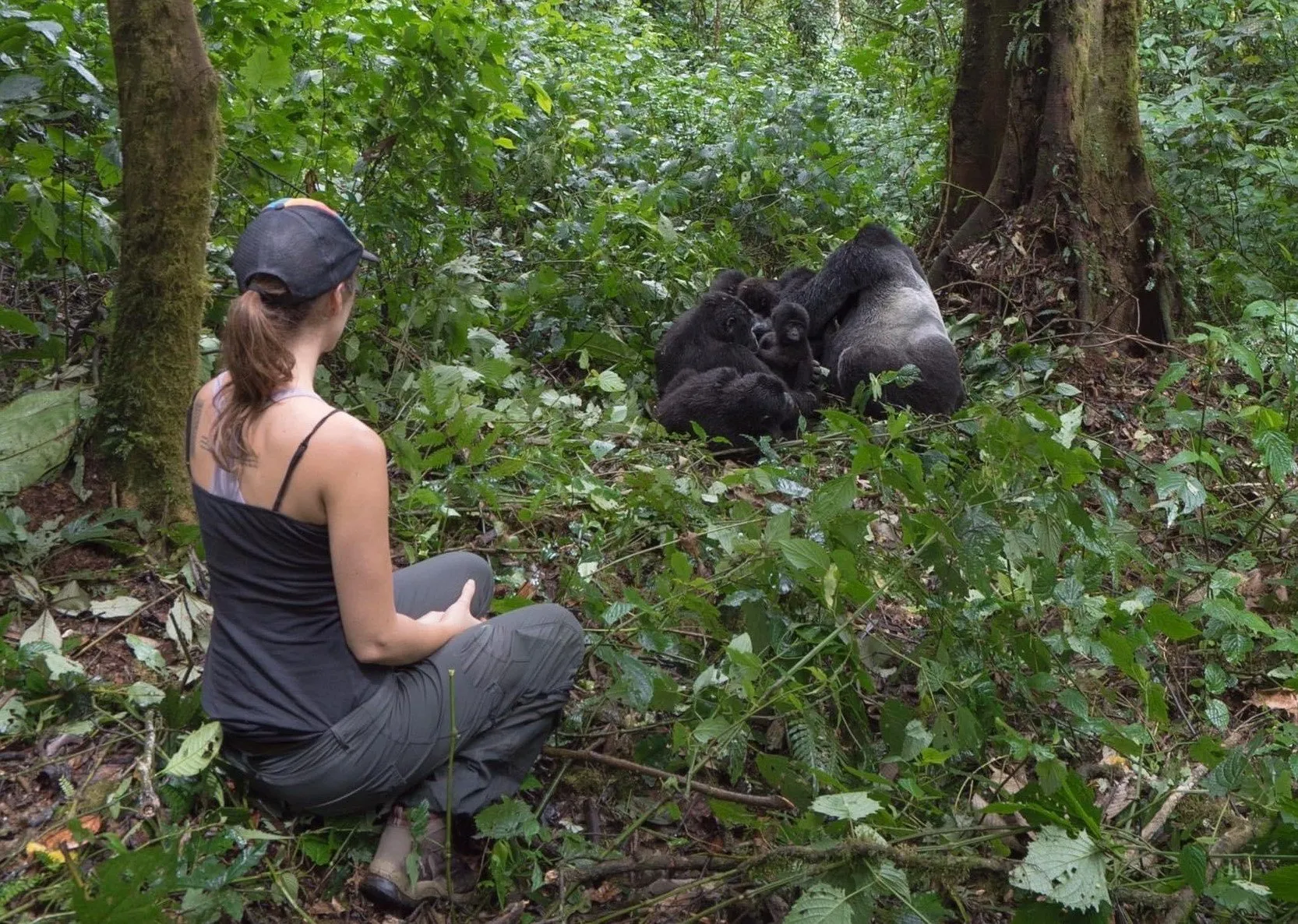
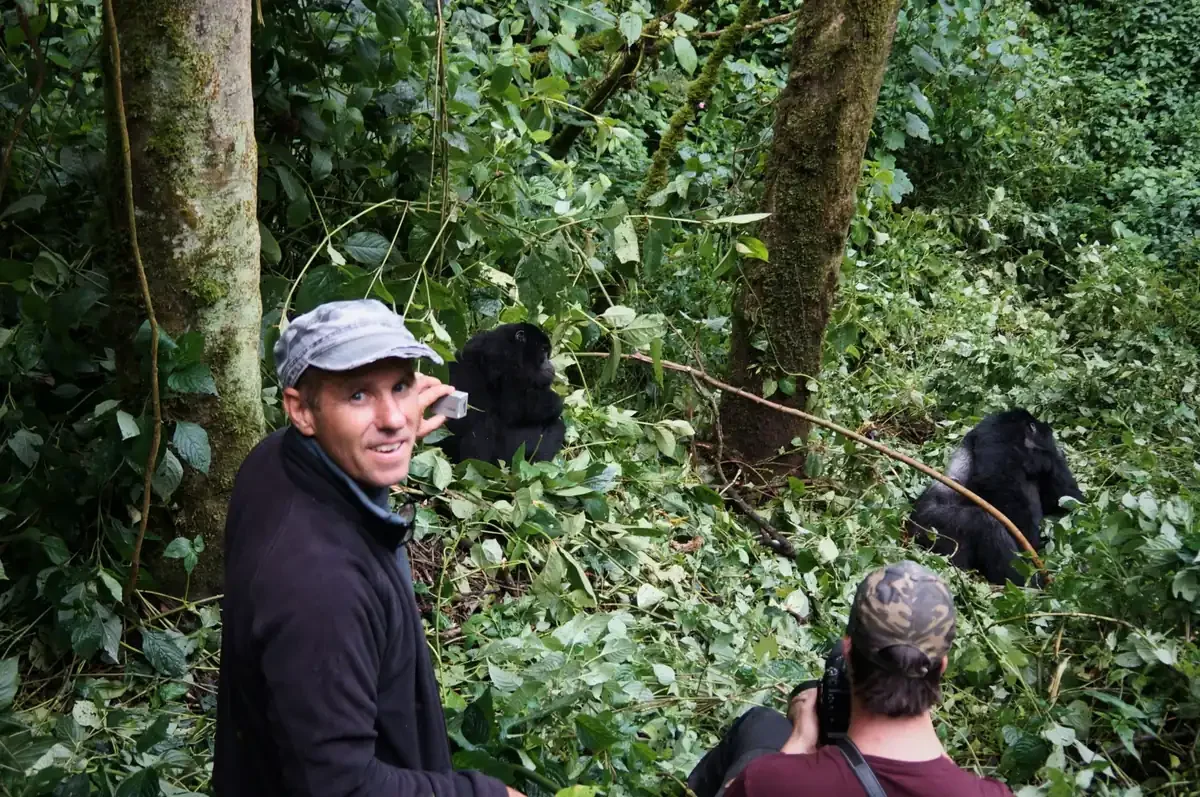
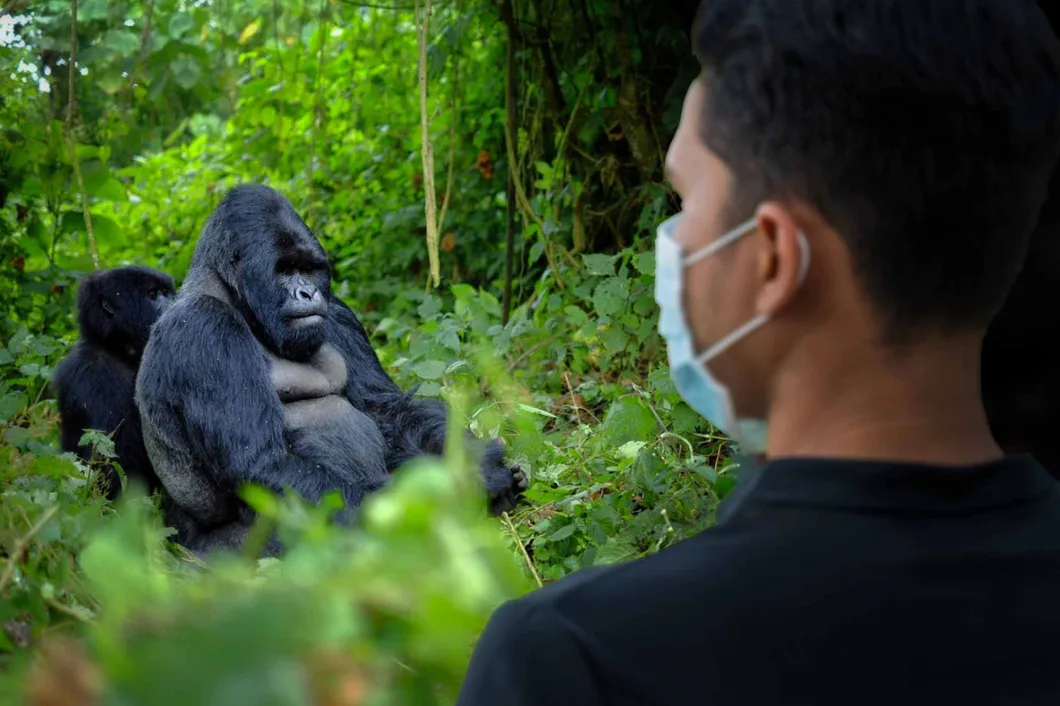
The rules followed during gorilla trekking are designed to create a balance between wildlife conservation and tourism. Guidelines such as maintaining a safe distance from gorillas, avoiding unnecessary noise, following ranger instructions, limiting time spent with gorilla families and respecting the forest environment help ensure that tourism does not negatively affect these endangered animals.
Before entering the forest, every visitor receives a detailed briefing from experienced guides and park rangers who explain the required behavior during the trek. These instructions help travelers understand how to move through the rainforest responsibly, how to interact with gorillas safely and how their actions contribute to conservation efforts.
For visitors planning their first gorilla adventure, understanding the Gorilla Trekking Rules in Uganda makes the experience more enjoyable and stress-free. When travelers know what is expected, they can focus on the incredible moments of the journey, from hiking through ancient rainforest landscapes to witnessing mountain gorillas feeding, playing and interacting as a family.
Following these guidelines also allows visitors to become part of Uganda’s conservation success story. Gorilla tourism supports habitat protection, ranger programs and communities living around gorilla national parks. By respecting the Gorilla Trekking Rules in Uganda, every traveler helps protect these remarkable animals and ensures future generations can experience the magic of meeting mountain gorillas in the wild.
Why Following Gorilla Trekking Rules Matters
Responsible gorilla trekking helps maintain a safe relationship between visitors and mountain gorillas. These rules protect gorilla families, preserve Uganda’s rainforest ecosystems and ensure that tourism continues supporting conservation efforts.
Every visitor plays an important role in protecting these endangered animals by respecting ranger instructions, maintaining responsible behavior and treating the forest environment with care.
Gorilla Trekking Rules in Uganda
Following the correct guidelines during your gorilla safari is important for protecting mountain gorillas, maintaining their natural behavior and ensuring a safe experience for visitors. Gorilla Trekking Rules in Uganda are designed to create a responsible interaction between humans and gorillas while supporting long-term conservation efforts.
Attend the Gorilla Trekking Briefing
Every visitor must attend the morning briefing before entering the forest. During this session, guides and rangers explain the trekking process, safety guidelines and important conservation rules that must be followed throughout the experience.
The briefing helps visitors understand how to behave around gorillas and prepares travelers for what to expect during their adventure.
Do Not Trek If You Are Sick
Visitors should avoid gorilla trekking if they have contagious illnesses such as flu, cough or other respiratory infections. Mountain gorillas are vulnerable to human diseases because of their close relationship with humans.
Inform your safari guide or park authorities if you feel unwell before the trek. Protecting gorilla health is more important than completing a trek while sick.
Maintain a Safe Distance From Gorillas
One of the most important Gorilla Trekking Rules in Uganda is keeping the recommended distance from mountain gorillas during the encounter. Although habituated gorillas are accustomed to human presence, they are still wild animals that require space and respect.
Maintaining distance reduces stress on the gorillas and helps prevent possible disease transmission.
Do Not Touch the Gorillas
Visitors are not allowed to touch mountain gorillas, even if a gorilla approaches them. Gorillas are wild animals, and physical contact can create health risks for both visitors and the animals.
Always allow gorillas to move freely while following the instructions of your ranger.
Do Not Use Flash Photography
Photography is allowed during gorilla trekking, but flash photography should not be used because it can disturb the gorillas.
Visitors should adjust their camera settings before the encounter and follow the guidance of their guide when taking pictures.
Keep Your Voice Low
Visitors should remain quiet and avoid shouting or making sudden loud noises while near gorillas. A calm environment allows the gorillas to behave naturally and creates a more meaningful experience.
Keeping your voice low also allows you to appreciate the sounds and beauty of Uganda’s rainforest.
Do Not Eat or Drink Near Gorillas
Eating or drinking near gorillas is not allowed because it may encourage unnatural behaviors and attract their attention.
Visitors should follow the instructions of their guides regarding when and where to take breaks during the trek.
Stay With Your Guide and Group
Travelers must remain with their assigned trekking group throughout the experience. Rangers and trackers understand gorilla behavior and know the safest ways to approach the animals.
Never leave the group or move away without permission.
Do Not Leave Rubbish in the Forest
Everything brought into the forest must be carried back out. Visitors should avoid leaving plastic bottles, food packaging or any other waste behind.
Protecting the rainforest environment helps preserve the habitat of mountain gorillas and other wildlife species.
Respect the Time Limit With Gorillas
Visitors are allowed limited time with the gorilla family to minimize disturbance. The time spent with gorillas should be used responsibly by observing, learning and taking photographs without affecting their natural behavior.
Keep Calm When a Gorilla Approaches You
Sometimes gorillas may move closer to visitors. If this happens, remain calm, avoid sudden movements and follow the instructions of your ranger.
Never attempt to run away, touch the gorilla or interfere with its movement.
Follow Ranger Instructions at All Times
Rangers and trackers are responsible for managing the encounter and protecting both visitors and gorillas. Their instructions should always be followed during the entire trekking experience.
Use Proper Trekking Gear
Wearing suitable clothing and equipment makes the experience safer and more comfortable. Waterproof hiking boots, long trousers, rain protection and a comfortable backpack are recommended for Uganda’s rainforest conditions.
Hire a Porter for Support
Hiring a porter is highly recommended. Porters assist with carrying bags, navigating difficult sections and providing support during challenging parts of the trek.
Using a porter also directly supports local communities around Uganda’s gorilla habitats.
Respect the Forest Environment
Visitors should remember that they are entering a protected natural habitat. Avoid damaging plants, disturbing wildlife or removing anything from the forest.
Responsible behavior helps protect Uganda’s gorillas and ensures future travelers can enjoy the same incredible experience.
Following these Gorilla Trekking Rules in Uganda allows visitors to enjoy a safe, respectful and unforgettable encounter while contributing to mountain gorilla conservation.
Why Gorilla Trekking Rules in Uganda Are Important
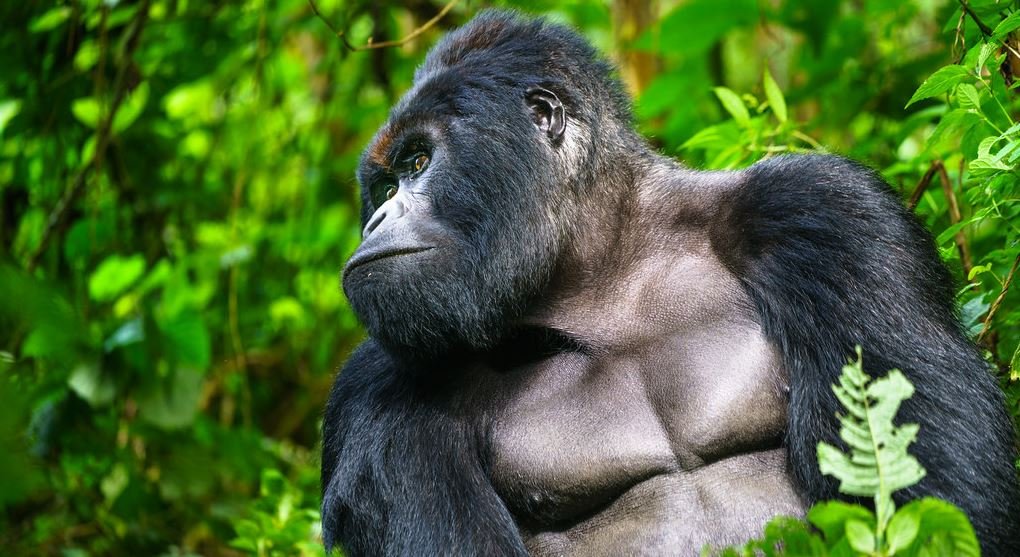
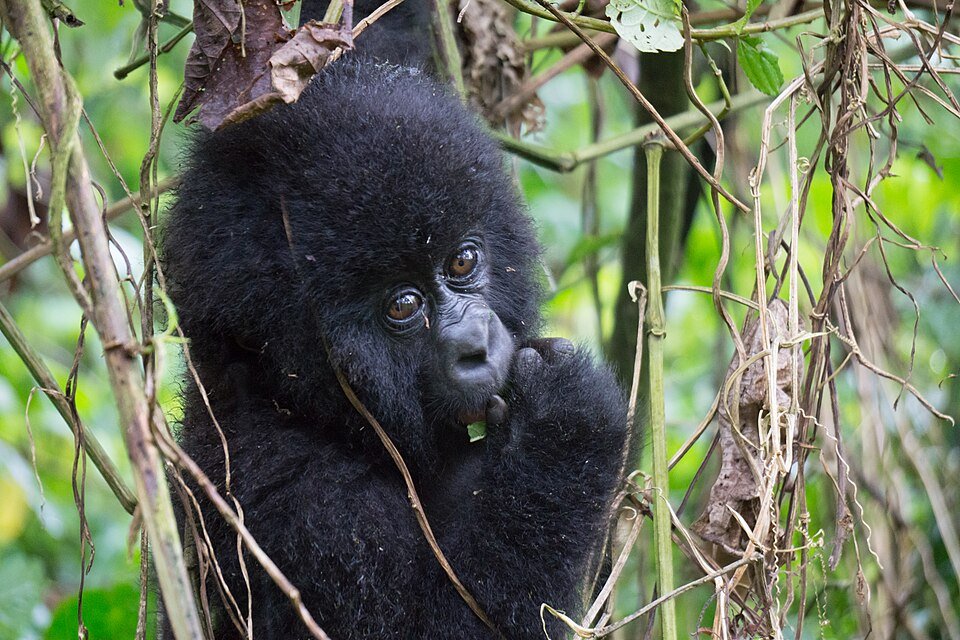
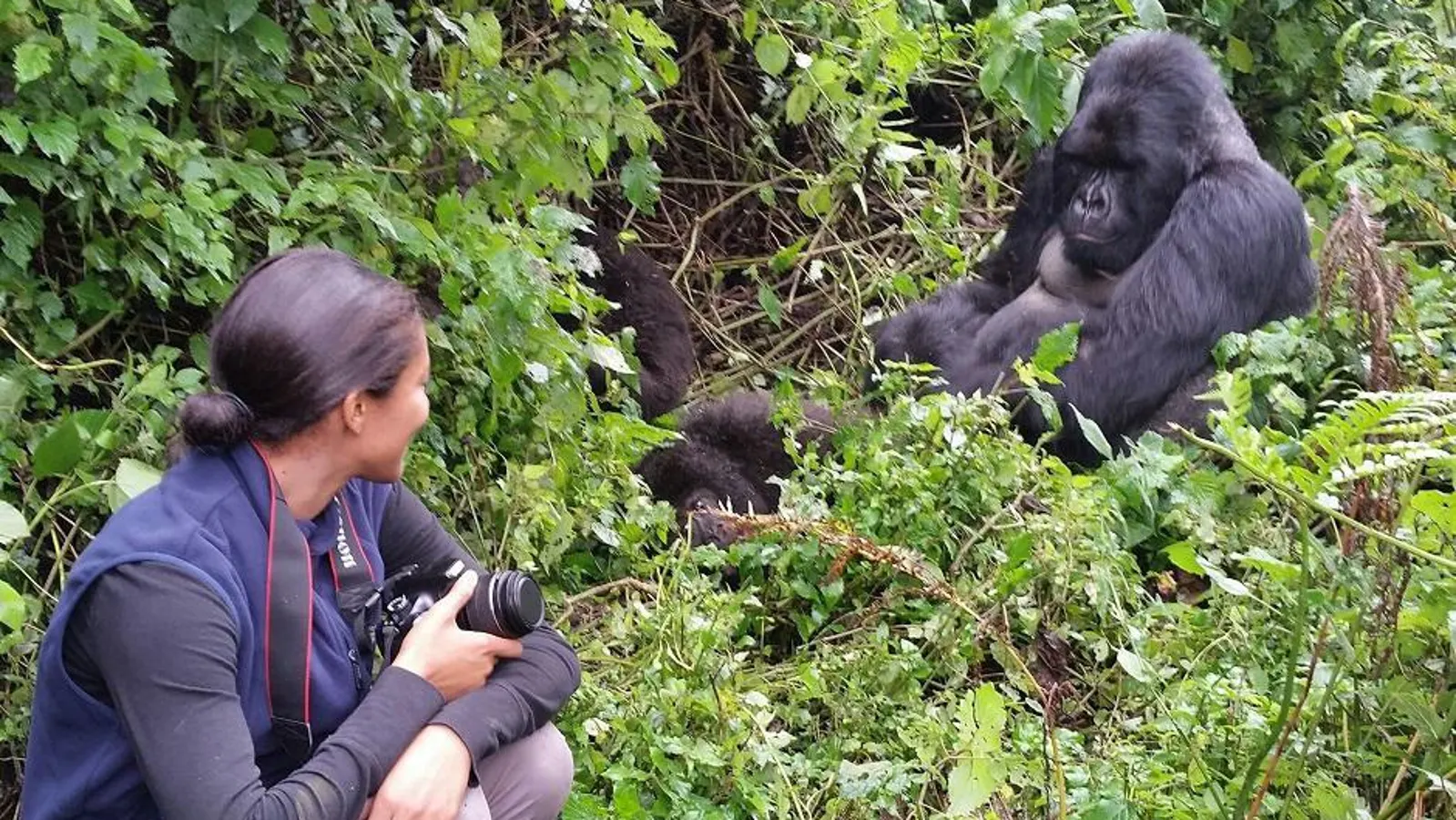
The importance of following the Gorilla Trekking Rules in Uganda goes beyond creating an organized safari experience. These rules exist primarily to protect mountain gorillas, which remain one of the world’s most endangered wildlife species. Conservation efforts depend on responsible tourism practices that allow visitors to experience gorillas while minimizing any negative impact on their health and natural behavior.
Mountain gorillas are highly intelligent and social animals that live in close family groups led by powerful silverbacks. Although habituated gorillas are comfortable with carefully managed human visits, they are still wild animals that require protection and respect. The Gorilla Trekking Rules in Uganda help ensure that visitors do not interrupt their daily activities or create unnecessary stress.
One of the main reasons these rules are important is disease prevention. Gorillas can become seriously affected by illnesses that humans may carry, especially respiratory infections. Maintaining proper distance, avoiding trekking when sick and practicing good hygiene are important measures that reduce health risks between visitors and gorilla families.
The rules also help protect the rainforest ecosystem where gorillas live. Bwindi Impenetrable Forest and Mgahinga Gorilla National Park are home to many plant and animal species, and responsible trekking practices help preserve this unique environment. Visitors are encouraged to respect nature, avoid littering and leave the forest exactly as they found it.
Another important role of the Gorilla Trekking Rules in Uganda is maintaining a sustainable tourism system. Gorilla trekking permits contribute directly to conservation programs, park management and communities surrounding the national parks. Responsible visitor behavior ensures that gorilla tourism continues benefiting both wildlife and local people.
By understanding why these rules exist, travelers gain a deeper appreciation of the experience. Gorilla trekking is not simply about seeing gorillas; it is about creating a respectful connection with nature while supporting efforts to protect these incredible animals.
Why Responsible Gorilla Trekking Matters in Uganda
Responsible tourism plays an important role in protecting Uganda’s mountain gorillas and ensuring that future generations can continue experiencing these incredible animals in their natural habitat. Following the Gorilla Trekking Rules in Uganda is not only about following regulations during your safari; it is about becoming part of a conservation system that protects endangered gorillas, supports local communities and preserves Uganda’s unique rainforest ecosystems.
Protecting Endangered Mountain Gorillas
Mountain gorillas are among the most endangered wildlife species in the world, and their survival depends heavily on careful conservation efforts. Uganda’s gorilla populations are protected within Bwindi Impenetrable Forest National Park and Mgahinga Gorilla National Park, where strict tourism guidelines help minimize disturbance to gorilla families.
The Gorilla Trekking Rules in Uganda help protect gorillas by controlling how visitors interact with them. Maintaining a safe distance, limiting visitor numbers, avoiding unnecessary noise and respecting gorilla behavior all help reduce stress and allow gorillas to continue their natural activities.
Responsible trekking also reduces health risks because gorillas can be affected by some human illnesses. Simple actions such as not trekking when sick, maintaining hygiene and following ranger instructions contribute greatly to their protection.
Supporting Gorilla Conservation Efforts
Gorilla trekking tourism provides important support for conservation programs in Uganda. Revenue generated from gorilla permits helps strengthen national park management, support ranger activities and fund ongoing efforts to monitor and protect gorilla families.
The presence of visitors also helps increase awareness about the importance of protecting mountain gorillas and their fragile rainforest habitats. Every responsible traveler contributes to a system that allows conservation teams to continue their work in safeguarding these endangered animals.
By respecting the Gorilla Trekking Rules in Uganda, visitors directly participate in a sustainable tourism model that balances wildlife protection with meaningful travel experiences.
Supporting Local Communities Around Gorilla Parks
Responsible gorilla tourism also creates important benefits for communities living near Uganda’s gorilla habitats. Many local people benefit through employment opportunities as guides, trackers, porters, lodge staff and conservation workers.
Tourism income also supports community development projects, education programs and initiatives that encourage local communities to protect gorilla habitats. When communities see the value of conservation, they become important partners in protecting forests and wildlife.
Hiring local porters, choosing locally operated safari services and respecting community experiences are meaningful ways travelers can contribute during their gorilla safari.
Creating a Sustainable Wildlife Experience
Following the Gorilla Trekking Rules in Uganda ensures that gorilla tourism remains sustainable for both wildlife and visitors. Mountain gorillas should be observed with respect, allowing them to maintain their natural behaviors while giving travelers the opportunity to experience one of Africa’s greatest wildlife encounters.
Responsible trekking creates a positive relationship between conservation, tourism and local communities. It allows visitors to enjoy unforgettable moments with mountain gorillas while helping protect the forests and ecosystems they depend on.
Every traveler who follows the rules becomes part of the effort to protect Uganda’s mountain gorillas and preserve this extraordinary experience for future generations.
Frequently Asked Questions About Gorilla Trekking Rules in Uganda
What are the main Gorilla Trekking Rules in Uganda?
The main Gorilla Trekking Rules in Uganda focus on protecting mountain gorillas, preserving their natural habitat and ensuring safe interactions between visitors and wildlife. Important rules include maintaining a safe distance from gorillas, avoiding direct contact, following ranger instructions, keeping noise levels low, avoiding littering and respecting the natural environment throughout the trekking experience.
Why are Gorilla Trekking Rules in Uganda important?
Gorilla Trekking Rules in Uganda are important because they help protect endangered mountain gorillas from human-related risks while allowing responsible tourism to continue. Since gorillas share a close relationship with humans, these guidelines help reduce disease transmission, prevent unnecessary stress and ensure gorilla families remain healthy.
How close can visitors get to gorillas during trekking in Uganda?
Visitors must maintain a safe distance from mountain gorillas during the encounter. This helps protect both the gorillas and travelers while allowing the animals to behave naturally. Rangers guide visitors on the correct positioning and ensure that the interaction remains respectful.
Can visitors touch mountain gorillas in Uganda?
No, visitors are not allowed to touch mountain gorillas during trekking in Uganda. Even if a gorilla approaches a visitor, guests must remain calm and avoid physical contact. This rule helps prevent disease transmission and protects the natural behavior of gorilla families.
Are cameras allowed during gorilla trekking in Uganda?
Yes, cameras are allowed during gorilla trekking, but visitors must follow photography rules. Flash photography is not allowed because it can disturb the gorillas. Travelers should use their cameras responsibly and follow instructions from their guides during the encounter.
What happens if a gorilla approaches me during the trek?
If a gorilla approaches you, remain calm, avoid sudden movements and follow the instructions of your ranger. Visitors should not attempt to move closer, touch the gorilla or run away. Rangers are trained to manage these situations safely.
Can I eat or drink near mountain gorillas?
No, eating and drinking near mountain gorillas is not allowed. Food and drinks can attract animals and may encourage unnatural behaviors. Visitors should follow ranger instructions regarding breaks during the trek.
Can I trek gorillas if I am sick?
Visitors should not participate in gorilla trekking if they have contagious illnesses such as flu, cough or respiratory infections. Mountain gorillas are vulnerable to human diseases, so avoiding trekking when sick is an important conservation responsibility.
Are children allowed to go gorilla trekking in Uganda?
Gorilla trekking in Uganda has a minimum age requirement of 15 years. This helps ensure that visitors can follow trekking instructions, handle the forest environment and behave responsibly around gorillas.
How long can visitors stay with gorillas in Uganda?
Visitors are allowed limited time with a gorilla family during the encounter. The controlled viewing period helps minimize disturbance while giving travelers an opportunity to observe gorillas, take photographs and learn about their behavior.
Do I need to hire a porter during gorilla trekking?
Hiring a porter is not compulsory, but it is highly recommended. Porters assist with carrying backpacks, provide support on difficult sections of the trail and help make the trekking experience more comfortable. Hiring porters also supports local communities around gorilla habitats.
Can visitors leave the trekking group during the experience?
No, visitors must remain with their assigned trekking group and follow their guides throughout the experience. Leaving the group can create safety risks and may interfere with responsible gorilla tracking procedures.
What should I avoid carrying during gorilla trekking?
Visitors should avoid carrying unnecessary items into the forest. Essential items such as cameras, rain gear, water and personal belongings are recommended, but all rubbish and personal items must be taken back after the trek.
Are visitors allowed to make noise during gorilla trekking?
Visitors should keep their voices low while trekking and during the gorilla encounter. Loud noises can disturb wildlife and affect the natural behavior of gorillas. A quiet approach creates a more peaceful and respectful experience.
How do Gorilla Trekking Rules in Uganda support conservation?
Gorilla Trekking Rules in Uganda support conservation by reducing human impact on gorillas, protecting their habitat and encouraging responsible tourism. Following these rules helps ensure that mountain gorillas remain protected while communities and conservation programs continue benefiting from tourism.