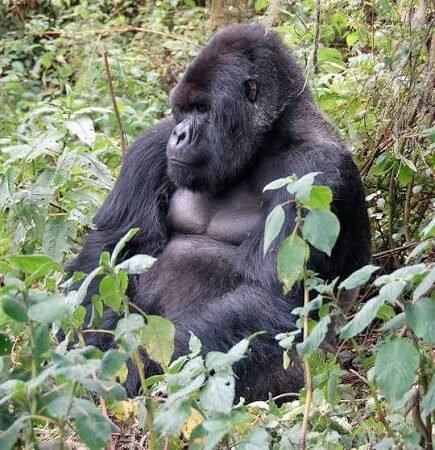
Why Mountain Gorilla Habituation Requires Strict Human-Distance Rules: 7 Vital Reasons
Gorilla habituation distance rules are essential for protecting endangered mountain gorillas during carefully managed encounters with researchers, trackers, and authorized visitors. Although habituation gradually reduces a gorilla family’s fear of human presence, these remarkable primates remain wild animals that require sufficient personal space to behave naturally. Maintaining an appropriate viewing distance helps reduce the risk of infectious disease transmission, unnecessary stress, behavioral disturbance, and potentially dangerous interactions between humans and gorillas.
Understanding why mountain gorilla habituation requires strict human-distance rules is particularly important in Uganda, where Bwindi Impenetrable National Park and Mgahinga Gorilla National Park protect endangered mountain gorillas. In Bwindi’s southern Rushaga sector, selected families undergo regulated habituation while authorized visitors can accompany experienced field personnel. Uganda Wildlife Authority’s published visitor rules require a minimum separation of 10 metres between people and gorillas, providing an important safeguard during these wildlife encounters.
What Are the Gorilla Habituation Distance Rules in Uganda?
The gorilla habituation distance rules in Uganda require visitors to remain at least 10 metres, approximately 33 feet, away from mountain gorillas unless park personnel direct them to maintain an even greater separation.
This rule applies because mountain gorillas are highly vulnerable to certain diseases that can pass between humans and other great apes.
It also helps minimize disturbances that could interfere with feeding, resting, movement, and family interactions.
The 10-metre requirement is particularly important because habituated gorillas may appear comfortable around people, creating the mistaken impression that closer encounters are acceptable.
However, the absence of visible fear does not eliminate disease-transmission risks.
International great ape tourism guidance historically established seven metres as a minimum, but Uganda Wildlife Authority has adopted the more protective 10-metre viewing distance.
Travelers participating in gorilla trekking in Uganda must follow the rules communicated during their official park briefing.
1. Human-Distance Rules Help Prevent Infectious Disease Transmission
The most important reason for gorilla habituation distance rules is to reduce the possibility of transmitting infectious diseases between humans and gorillas.
Mountain gorillas are genetically closely related to humans, making them susceptible to several human pathogens.
Respiratory infections are a particular concern because viruses and bacteria can spread through respiratory particles released when people breathe, speak, cough, or sneeze.
Although greater separation does not completely eliminate airborne transmission, maintaining distance can reduce close-range exposure.
Researchers have documented concerns about human-to-gorilla disease transmission in habituated populations, highlighting the importance of regulated observation.
Because a single infected person could expose vulnerable animals, conservation teams take preventive measures seriously.
Visitors who feel unwell, particularly those experiencing respiratory symptoms, should not participate in gorilla encounters.
Distance must also be combined with appropriate hygiene precautions and any mask requirements established by the park authorities.
These precautions protect gorillas that depend on healthy family relationships and stable social groups for survival.
2. Distance Helps Reduce Behavioral Disturbance During Habituation
Another important purpose of gorilla habituation distance rules is to minimize changes in natural behavior caused by human presence.
Wild mountain gorillas normally spend their days feeding, resting, traveling, grooming, and interacting with family members.
During early habituation, unfamiliar people may cause gorillas to become alert, retreat, or display defensive behaviors.
Researchers gradually introduce predictable encounters while carefully observing the family’s responses.
Approaching too closely can interfere with this process.
Even a gorilla that remains seated may experience disturbance that is not immediately obvious to visitors.
Scientific research in Bwindi has identified changes in certain behaviors, including self-scratching and social interactions, during close tourist encounters.
These findings demonstrate why maintaining a suitable distance is important even when gorillas appear relaxed.
Responsible gorilla habituation experiences in Uganda prioritize the animals’ welfare rather than maximizing physical proximity.
3. Viewing Distance Protects Silverbacks and Their Families
Dominant silverbacks play an important role in understanding gorilla habituation distance rules.
Mountain gorilla families often contain one or more mature males, adult females, juveniles, and dependent infants.
Silverbacks help maintain group cohesion and may respond defensively when they perceive threats.
During habituation, a silverback unfamiliar with humans may become vigilant, vocalize, chest-beat, or display other defensive behavior.
These responses are part of natural gorilla communication.
However, approaching too closely can increase the possibility of provoking a defensive reaction.
Maintaining an appropriate distance gives gorillas more space to assess their surroundings and continue normal activities.
Visitors should never position themselves between a silverback and other family members or attempt to attract the animal’s attention.
Professional guides and trackers interpret the gorillas’ behavior and direct visitors accordingly.
The objective is to observe powerful wild animals respectfully without interfering with their natural protective instincts.

4. Strict Distance Rules Protect Mothers and Young Gorillas
Protecting vulnerable family members is another reason gorilla habituation distance rules are essential.
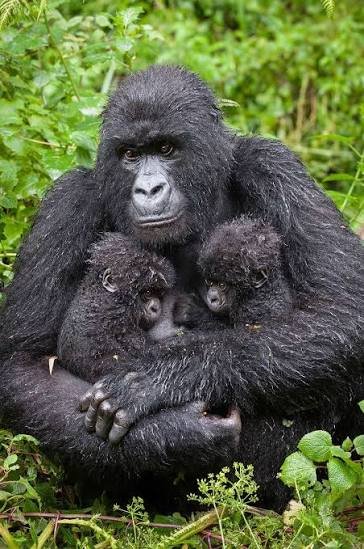
Female mountain gorillas devote considerable attention to caring for dependent infants.
Young infants remain close to their mothers and rely on them for nourishment, warmth, protection, and movement through the forest.
Unexpected human approaches can create additional disturbances during these important activities.
Maintaining distance allows mothers to continue nursing, grooming, resting, and interacting with their offspring without unnecessary interference.
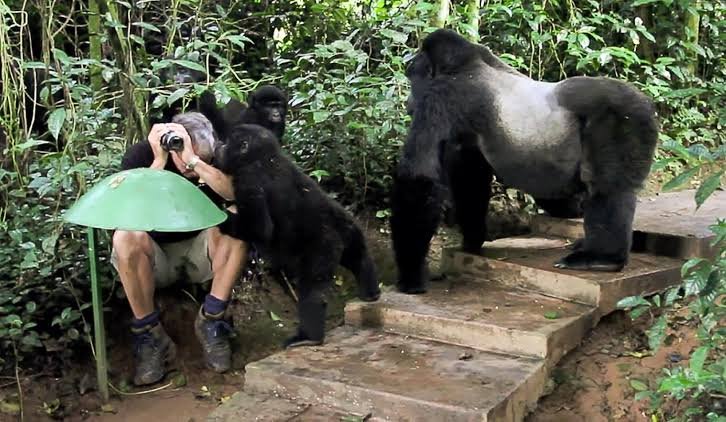
Young gorillas may also be naturally curious and sometimes approach unfamiliar objects or people.
However, their curiosity should never be encouraged through touching, feeding, or attempts to initiate contact.
Close interactions create additional opportunities for disease transmission and may influence how young animals respond to humans.
Visitors must allow gorillas to maintain natural relationships without treating them as approachable or domesticated animals.
5. Distance Prevents Excessive Familiarity With Human Visitors
The gorilla habituation distance rules also help prevent excessive familiarity between mountain gorillas and humans.
Habituation is intended to reduce fear sufficiently for responsible research and controlled tourism.
It is not intended to make gorillas seek human contact.
When observers regularly approach too closely, some gorillas may become increasingly tolerant of distances that conservation managers consider unsafe.
This situation can create problems for both wildlife and visitors.
A gorilla that voluntarily approaches people may increase the opportunity for accidental physical contact or disease exposure.
International great ape conservation guidelines therefore emphasize preventing overhabituation.
A successful habituation program should allow gorillas to continue their natural activities while remaining appropriately separated from observers.
The desired outcome is not friendship or physical interaction, but predictable, low-disturbance encounters that support conservation.
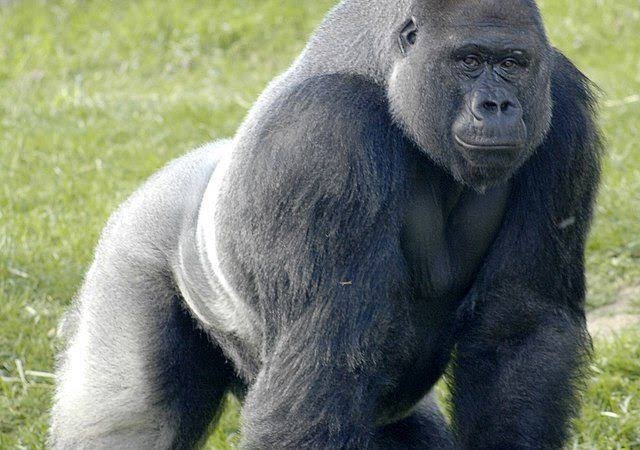
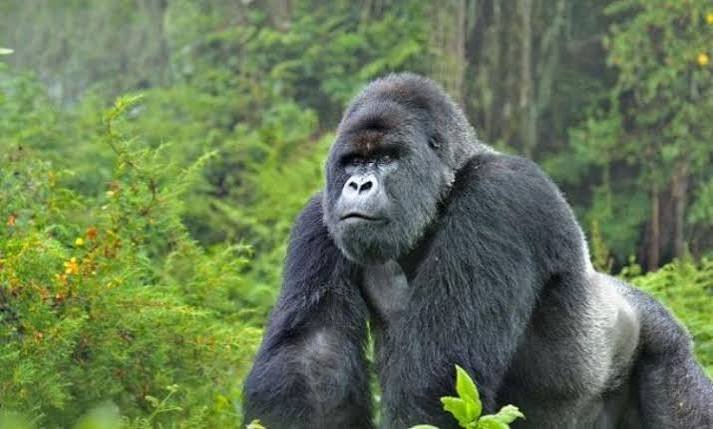
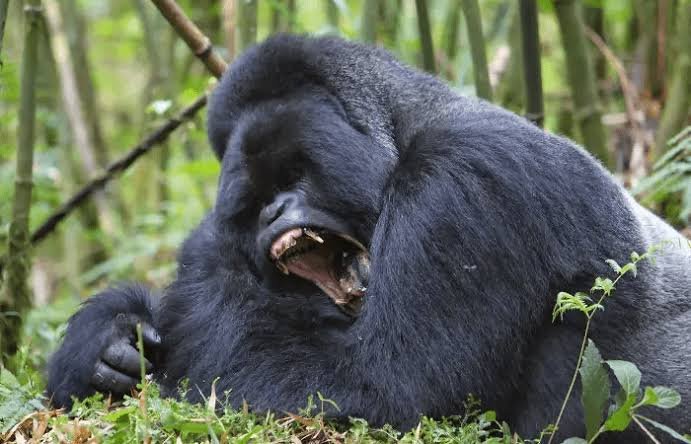
6. Scientific Research Shows the Risks of Ignoring Distance Rules
Scientific evidence provides important support for gorilla habituation distance rules.
A study published in 2020 examined visitor behavior during mountain gorilla tourism encounters in Bwindi Impenetrable National Park.
The researchers found widespread non-compliance with the seven-metre distance standard that applied during the study period.
In some observations, tourists and gorillas were separated by three metres or less.
Such close encounters raised concerns about possible human-to-gorilla disease transmission.
Another study published in 2023 investigated how tourist presence and proximity influenced the behavior of a habituated mountain gorilla family in Bwindi.
Researchers identified differences in certain social behaviors and stress-related indicators during visitor encounters.
However, these findings do not establish that every close encounter causes permanent harm.
They demonstrate that proximity can influence animal behavior and create preventable health risks.
Uganda’s current 10-metre rule provides an additional protective margin compared with the older seven-metre standard.
7. Human-Distance Rules Support Responsible Gorilla Conservation
Beyond individual encounters, gorilla habituation distance rules support the long-term conservation of mountain gorilla populations.
Habituated gorilla families contribute to scientific research and regulated tourism that generates revenue for protected-area management.
Regular monitoring can also help conservation teams detect injuries, illnesses, births, and changes in family composition.
However, these benefits must be balanced against the risks created by repeated human contact.
Appropriate viewing distances, limited visitor numbers, supervised encounters, and health precautions help manage those risks.
Maintaining these safeguards protects the natural behavior of habituated families while supporting responsible wildlife tourism.
Travelers who follow park regulations contribute to conservation rather than creating unnecessary pressure on endangered animals.
Visitors interested in observing mountain gorillas responsibly can explore gorilla trekking tours and authorized habituation experiences.
Why Is Uganda’s Gorilla Viewing Distance 10 Metres Instead of Seven?
Travelers researching gorilla habituation distance rules may encounter conflicting information because older guidebooks, scientific studies, and tourism websites frequently mention seven metres.
Seven metres has long been an internationally recognized minimum viewing distance in great ape tourism guidance.
However, Uganda Wildlife Authority subsequently increased its required separation to 10 metres.
The greater distance provides an additional precaution against infectious disease transmission and unwanted close interactions.
The difference does not mean that seven metres was scientifically proven completely safe.
Neither distance can eliminate every risk associated with human contact.
For Uganda gorilla trekking and habituation, visitors should follow the current 10-metre requirement and any additional instructions issued by park personnel.
This is especially important because outdated information can remain online long after regulations change.
What Happens If a Mountain Gorilla Approaches a Tourist?
An important question concerning gorilla habituation distance rules is what happens when a gorilla moves toward visitors rather than the other way around.
Although visitors must maintain the required separation, gorillas are free-ranging wild animals and may occasionally approach people.
When this happens, visitors should remain calm and immediately follow the instructions of their guide or ranger.
They should not attempt to touch the gorilla, take selfies at close range, or initiate interaction.
Depending on the situation, park personnel may instruct visitors to move away slowly, remain still temporarily, or reposition themselves safely.
The appropriate response depends on the animal’s behavior and the surrounding terrain.
Visitors should never run, make sudden movements, or attempt to push a gorilla away.
Professional field personnel are responsible for managing these unexpected situations while minimizing disturbance.
Are Distance Rules Different During Gorilla Habituation and Standard Trekking?
Both standard trekking and specialized habituation activities require careful human–gorilla separation.
During ordinary gorilla trekking in Bwindi, visitors generally receive up to one hour of observation with an authorized habituated family.
During the gorilla habituation experience, eligible visitors may spend up to four hours observing a designated family undergoing habituation alongside trained field personnel.
The extended observation period does not give visitors permission to approach gorillas more closely.
In fact, careful management is particularly important because families undergoing habituation may respond less predictably to human presence.
The authorized field team determines how encounters should proceed.
Visitors must respect all directions concerning distance, movement, and the continuation or termination of observation.
Why Is Maintaining Distance Difficult in Bwindi’s Dense Forest?
Bwindi contains steep ridges, narrow valleys, thick vegetation, and uneven forest terrain.
These conditions sometimes make gorilla habituation distance rules challenging to maintain.
Gorillas may move through dense vegetation or change their position unexpectedly.
Visitors may also find themselves standing in confined locations with limited visibility.
However, difficult terrain does not remove the obligation to respect conservation rules.
Experienced guides assess the location of the gorillas and position visitors where observation can occur safely.
Sometimes this means accepting a partially obstructed view or waiting for an appropriate opportunity.
Photographers must also avoid moving closer merely to obtain a clearer image.
The gorillas’ health and welfare remain more important than any particular photograph.
How Can Visitors Follow Gorilla Habituation Distance Rules?
Travelers should prepare to follow gorilla habituation distance rules before entering the forest.
During the official briefing, guides explain the required viewing distance, visitor behavior, health precautions, and instructions for approaching gorilla families.
Visitors should listen carefully and ask for clarification if any instruction is unclear.
While observing gorillas, they should remain in the location designated by their guide, speak quietly, and avoid sudden movements.
They must not touch or feed the animals or attempt to attract their attention.
Photography should be conducted without flash and without leaving the permitted observation position.
Anyone experiencing symptoms of an infectious illness should inform park personnel before the activity.
Following these precautions helps protect the experience for future visitors while reducing avoidable risks to mountain gorillas.
Frequently Asked Questions About Gorilla Habituation Distance Rules
Why does mountain gorilla habituation require strict human-distance rules?
Gorilla habituation distance rules help prevent disease transmission, minimize behavioral disturbance, protect gorilla families, and reduce unsafe interactions during controlled human encounters.
What is the minimum distance from mountain gorillas in Uganda?
Uganda Wildlife Authority’s published viewing requirement is 10 metres, approximately 33 feet. Visitors should also follow any stricter directions from park officials.
Why do some websites still mention a seven-metre gorilla distance rule?
Seven metres was used in older Uganda guidance and remains a commonly cited international minimum. Uganda’s newer visitor guidance specifies 10 metres.
Can humans transmit diseases to mountain gorillas?
Yes. Mountain gorillas are susceptible to certain human infectious diseases, particularly respiratory infections. Maintaining distance and following health precautions reduces exposure risks.
Do gorilla habituation distance rules apply during the four-hour experience?
Yes. The longer observation period does not permit closer contact or touching. Visitors must follow the separation requirements and instructions of authorized field personnel.
Can tourists touch habituated mountain gorillas?
No. Physical contact is prohibited because it creates safety concerns and increases the risk of disease transmission.
What should tourists do when a gorilla approaches them?
Visitors should remain calm and follow ranger instructions immediately. They should not touch the gorilla, make sudden movements, or attempt to initiate contact.
Are habituated gorillas less dangerous than unhabituated gorillas?
Habituated gorillas generally tolerate controlled human presence better, but they remain powerful wild animals capable of defensive reactions.
Can tourists approach gorillas more closely for photographs?
No. Photography does not justify breaking distance rules. Visitors must remain at the location approved by their guide and avoid flash photography.
Do strict distance rules affect the quality of gorilla trekking?
Appropriate viewing distances still allow memorable wildlife encounters while protecting gorilla health and natural behavior. The objective is responsible observation rather than close physical contact.
Book a Responsible Gorilla Habituation or Trekking Safari in Uganda
Understanding gorilla habituation distance rules helps travelers appreciate the conservation responsibilities involved in observing endangered mountain gorillas. Maintaining the required separation protects gorillas from avoidable health risks, reduces unnecessary disturbance, and supports natural feeding, resting, and family interactions.
Mountain Gorillas Uganda organizes personalized gorilla habituation experiences in Uganda, gorilla trekking tours, and extended Uganda gorilla and wildlife safaris.
Our safari planning services can assist with Uganda gorilla trekking permits, accommodation near Bwindi, private transportation, and suitable travel dates.
Whether you choose a standard one-hour gorilla encounter or a specialized four-hour habituation experience, professional park guides will explain the viewing regulations and help you observe these magnificent primates responsibly.